

EPDM Fill Valve Seal vs Silicone: Which Material Is Better for Toilet Fill Valve Seals?
When choosing the right fill valve seal material, manufacturers and distributors often face a common question: EPDM fill valve seal vs silicone — which one is better?
If you are a toilet manufacturer, fill valve producer, plumbing distributor, or sanitary ware brand, selecting the right sealing material directly impacts product durability, water resistance, performance, and cost efficiency.
In this guide, we’ll compare EPDM fill valve seals vs silicone seals, explore their advantages, and help you choose the best option for OEM toilet seal manufacturing.
What Is a Fill Valve Seal?
A fill valve seal is a critical component inside a toilet tank that helps control water flow and prevent leaks. It sits within the toilet fill valve assembly and ensures a tight seal during refill cycles.
High-quality fill valve seals should provide:
Long-term durability
Water resistance
Chemical resistance
Stable performance under pressure
Compatibility with various toilet models
This is why material selection — EPDM or silicone — matters significantly.
What Is EPDM Fill Valve Seal?
EPDM (Ethylene Propylene Diene Monomer) is one of the most commonly used rubber materials for toilet fill valve seals and plumbing components.
EPDM is widely used in:
Toilet fill valve seals
Flush valve seals
O-rings
Gaskets
Plumbing rubber components
Advantages of EPDM Fill Valve Seal
1. Excellent Water Resistance
EPDM rubber performs extremely well in hot and cold water environments, making it ideal for toilet tank applications.
Key benefits:
Resistant to hard water
Resistant to chlorine
Resistant to minerals and chemicals
This makes EPDM fill valve seals especially suitable for North America and European markets, where water treatment chemicals are common.
2. Long Service Life
EPDM offers excellent:
Aging resistance
Ozone resistance
UV resistance
Even after years of exposure to water and air, EPDM fill valve seals maintain elasticity and sealing performance.
This helps reduce:
Customer complaints
Maintenance costs
Product returns
3. Cost-Effective for OEM Production
Compared to silicone, EPDM is more cost-efficient, making it ideal for:
Large volume OEM orders
Toilet manufacturers
Fill valve producers
Plumbing distributors
For B2B buyers, EPDM provides a balanced combination of performance and price.
4. Wide Temperature Range
Typical EPDM temperature range:
-40°C to 120°C
Stable under typical toilet tank conditions
This makes EPDM suitable for most residential and commercial toilets.
What Is Silicone Fill Valve Seal?
Silicone rubber is another popular material used in high-end fill valve seals and plumbing applications.
Silicone is known for:
High flexibility
Temperature resistance
Premium performance
Advantages of Silicone Fill Valve Seal
1. Superior Temperature Resistance
Silicone performs well in extreme temperatures:
-60°C to 200°C
Better than EPDM in high-temperature environments
Although toilets typically don't reach such temperatures, silicone is often used in premium or specialized applications.
2. Excellent Flexibility
Silicone seals remain flexible even after long-term use. This helps:
Maintain tight sealing
Reduce leakage risk
Improve durability
Silicone is especially suitable for precision valve designs.
3. Food-Grade and Medical-Grade Options
Silicone materials can be:
FDA compliant
Food grade
Medical grade
This makes silicone attractive for premium sanitary products and high-standard markets.
EPDM Fill Valve Seal vs Silicone: Key Comparison
| Feature | EPDM Fill Valve Seal | Silicone Fill Valve Seal |
|---|---|---|
| Cost | Lower | Higher |
| Water Resistance | Excellent | Excellent |
| Temperature Resistance | Good | Excellent |
| Durability | Very Good | Excellent |
| Chemical Resistance | Excellent | Good |
| Flexibility | Good | Excellent |
| OEM Cost Efficiency | Excellent | Moderate |
| Market Application | Standard & OEM | Premium Products |
Which One Should You Choose?
Choose EPDM Fill Valve Seal If:
You are manufacturing standard toilets
You want cost-effective OEM solutions
You need strong water and chemical resistance
You produce large quantities
EPDM is ideal for:
Toilet manufacturers
Fill valve manufacturers
Plumbing distributors
Sanitary ware brands
Choose Silicone Fill Valve Seal If:
You produce premium products
You require extreme temperature resistance
You want high-end market positioning
You need ultra-flexible sealing material
Silicone is suitable for:
High-end toilet brands
Premium plumbing systems
Specialized applications
Why Most Toilet Manufacturers Choose EPDM Fill Valve Seals
In the global plumbing industry, EPDM fill valve seals are the most widely used solution because they provide:
Reliable sealing performance
Long service life
Competitive pricing
Easy OEM customization
This is why many toilet brands and fill valve manufacturers prefer EPDM over silicone.
OEM Custom Fill Valve Seal Options
Professional manufacturers can provide:
Custom size fill valve seals
Custom hardness (Shore A)
Custom color
NSF compliant materials
EPDM & Silicone options
Mold development services
OEM customization is especially useful for:
Toilet manufacturers
Fill valve brands
Plumbing distributors
Private label buyers
How to Choose a Reliable Fill Valve Seal Manufacturer
When selecting an OEM manufacturer, consider:
1. Material Expertise
Look for manufacturers experienced in:
EPDM rubber
Silicone rubber
NSF compliant materials
2. Customization Capability
A reliable manufacturer should offer:
Mold customization
Low MOQ support
Sample development
Technical support
3. Quality Control
Check if the manufacturer provides:
Material testing
Dimensional inspection
Performance testing
This ensures consistent sealing performance.
Conclusion
When comparing EPDM fill valve seal vs silicone, both materials offer strong sealing performance. However, EPDM remains the most cost-effective and widely used option for toilet fill valve applications.
If you prioritize:
Cost efficiency
Durability
Water resistance
OEM scalability
EPDM fill valve seals are the best choice.
If you need:
Premium performance
High flexibility
Extreme temperature resistance
Silicone fill valve seals may be the better option.
Choosing the right material depends on your product positioning, budget, and market requirements.
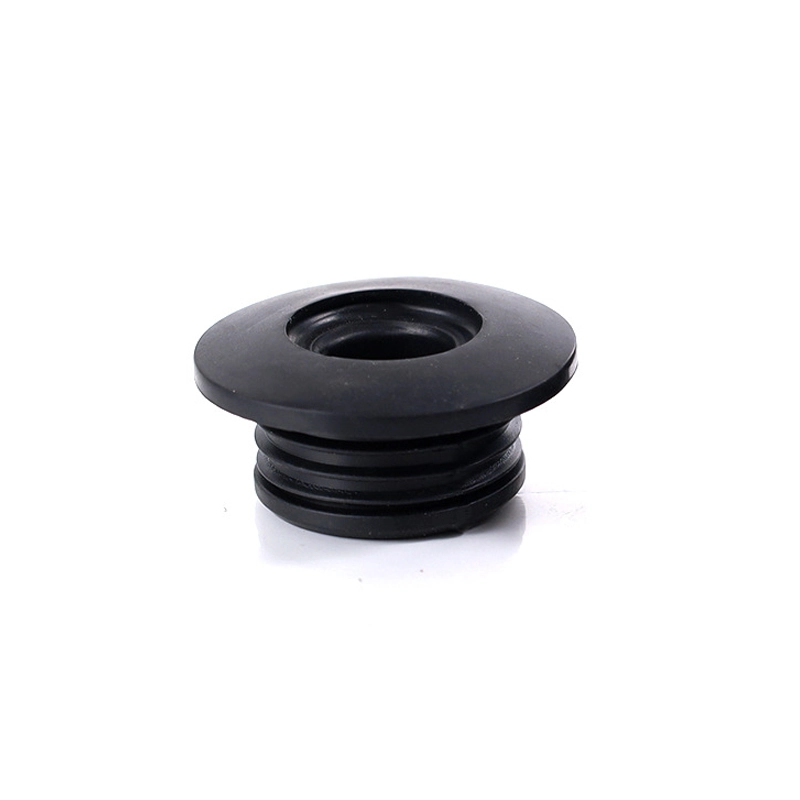 Urinal Sensor Inlet Seal Gasket Factory Replacement
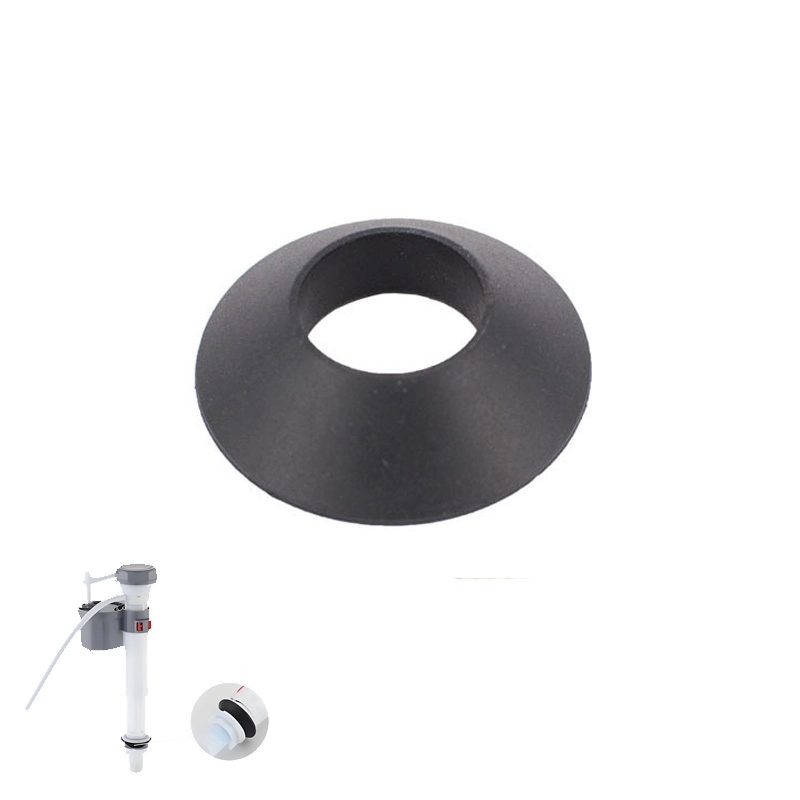 Toilet Tank Fill Valve Conical Seal Factory Replacement
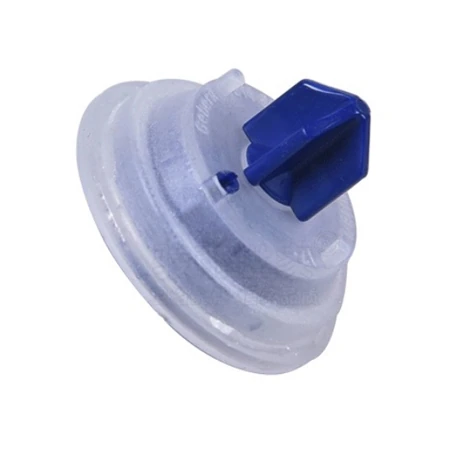 Wholesale Toilet Cistern Inlet Valve Diaphragm Washers
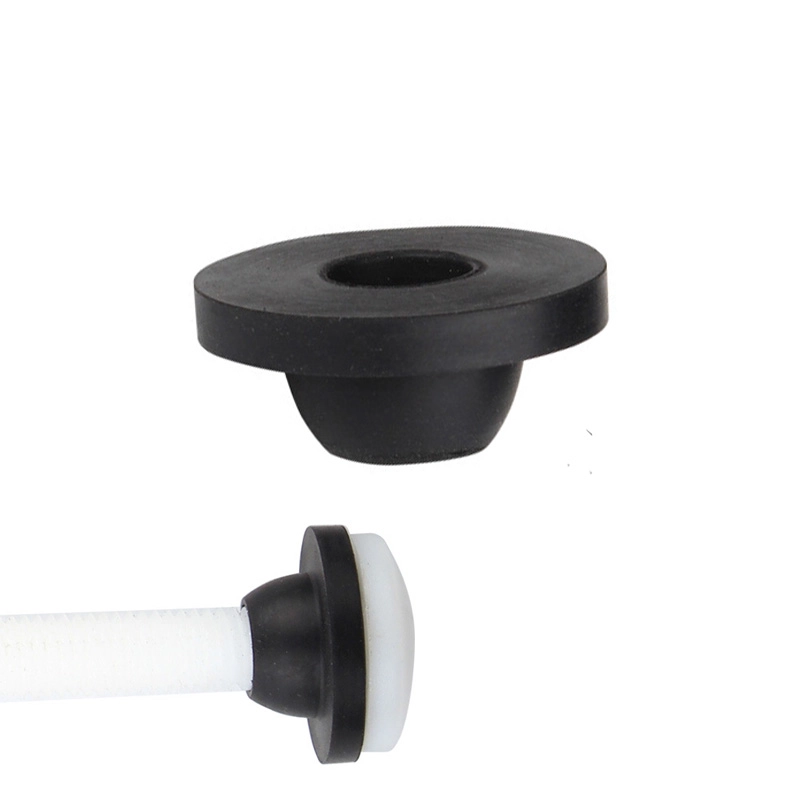 Conical Rubber Washers for Toilet Bolts Factory Wholesale