

How to Repair a Urinal Flush Valve: Easy DIY Fix Guide
A urinal flush valve is a critical component that controls water flow during flushing. Over time, issues such as weak flushing, constant leaking, or sensor failure may occur due to mineral buildup, worn seals, or electronic malfunctions.
The good news is that most urinal flush valve problems can be repaired without professional plumbing tools. By following a systematic approach—inspection → fault diagnosis → component replacement—you can restore proper flushing quickly.
This practical guide explains how to repair both manual and infrared sensor urinal flush valves, including common problems, step-by-step solutions, and maintenance tips.
1. Tools and Safety Preparation
Before repairing a urinal flush valve, prepare the necessary tools and ensure the system is safe to work on.
Essential Tools
Adjustable wrench
Screwdriver set (Phillips and flathead)
Needle-nose pliers
Replacement Parts
Depending on the problem, you may need:
Flush valve gaskets
O-rings
Solenoid valves
Replacement springs
Tip: Always confirm the brand and model of the flush valve (for example TOTO or Kohler) to ensure compatibility.
Cleaning Supplies
Clean cloth
White vinegar (for removing limescale)
2. Turn Off Water and Power First
Before starting any repair, always complete these safety steps:
Shut Off the Water Supply
Locate the angle stop valve under or behind the urinal.
Turn it clockwise until fully closed.
Press the flush button or trigger the sensor to release remaining water.
Turn Off Power (Sensor Models)
For infrared flush valves:
Disconnect the power adapter
Or remove the batteries from the sensor panel
This prevents electrical hazards during repair.
3. Repairing a Manual Push-Button Urinal Flush Valve
Manual flush valves rely on mechanical components, such as springs, valve cores, and seals. Most issues occur due to blockage or worn seals.
Problem 1: Weak or No Flushing
Symptoms
Button presses with little resistance
Water flow is weak or absent
Step-by-Step Repair
1. Remove the Button Assembly
Unscrew the flush valve button cap
Remove the internal spring and valve core
2. Detach the Valve Body
Use an adjustable wrench to loosen the connection between the valve and the water pipe.
3. Clean the Inlet Filter
The inlet filter screen may be clogged with:
Mineral deposits
Sediment
Soak the filter in white vinegar for 10 minutes, then rinse thoroughly.
4. Clear the Drain Channel
Use a thin wire to remove debris inside the valve body.
Avoid scratching the internal surfaces.
5. Inspect the Spring and Seals
Check for:
Deformed spring
Cracked or hardened gasket
Replace damaged parts with compatible components.
6. Reassemble and Test
Reinstall all components and open the water supply.
If flushing power returns and no leaks appear, the repair is successful.
Problem 2: Continuous Water Leakage
Symptoms
Water continues to drip after flushing
Leaks appear around the valve body
Repair Steps
Step 1: Identify the Leak Source
Common leakage points include:
Connection between valve body and water inlet pipe
Gap between valve core and valve body
Step 2: Replace the O-Ring or Gasket
A worn seal is usually the cause.
Install a new O-ring (10–15 mm diameter, ~2 mm thickness) or gasket.
Step 3: Apply Silicone Grease
Before installing the seal:
Apply a thin layer of silicone lubricant
Avoid petroleum oils that damage rubber
Step 4: Recheck for Leaks
Turn the water supply back on and monitor the valve for 10 minutes.
If leaking continues, the valve body may be cracked and require replacement.
4. Repairing an Infrared Sensor Urinal Flush Valve
Sensor flush valves include electronic components in addition to mechanical parts.
Common problems fall into two categories:
Sensor detection failure
Mechanical water flow issues
Problem 1: Sensor Not Triggering Flush
Symptoms
No flush when hand approaches sensor
No indicator light
Repair Steps
Check the Power Supply
For plug-in models:
Ensure the power adapter is connected
Verify the outlet provides power
For battery models:
Remove the sensor cover
Replace old batteries with new 1.5V AA batteries
Clean the Infrared Sensor
Dust or limescale can block the infrared signal.
Use a dry cloth with vinegar to gently clean the sensor lens.
Avoid using wet cloths to prevent electrical damage.
Inspect the Solenoid Valve
If power and sensor are working but flushing fails:
Remove the solenoid valve from the flush valve body
Clean the internal valve core
Test coil resistance with a multimeter
Typical solenoid resistance: 100–300 Ω
If the reading is 0 or infinite, the coil is damaged and must be replaced.
Problem 2: Weak Flush or Continuous Water Flow
Weak Flush
Possible causes include:
Clogged inlet filter
Blocked valve body
Kinked supply pipe
Clean the filter screen and ensure smooth water flow.
Continuous Water Flow
This is usually caused by a damaged diaphragm in the solenoid valve.
Solution:
Disassemble the solenoid valve
Replace the rubber diaphragm seal
Also inspect the urinal connection sealing ring and tighten the nut if necessary.
5. Common Mistakes to Avoid During Repair
1. Using Incorrect Replacement Parts
Always confirm the flush valve brand and model number.
Universal parts may not fit specialized valves.
2. Scratching Internal Components
Avoid using steel wool or metal tools when cleaning mineral deposits.
This may damage the sealing surface.
3. Incorrect Reassembly
Take photos during disassembly so you can reinstall:
Spring orientation
Seal direction
Valve core alignment
Misalignment may block water flow.
6. When Should You Replace the Entire Urinal Flush Valve?
Sometimes replacing the entire flush valve is the best option.
Consider replacement if:
The valve body has visible cracks
The sensor module is completely damaged
Replacement parts are discontinued
When installing a new flush valve, ensure:
The inlet size matches the supply pipe (commonly 1/2 inch)
The sensor panel height is 1.2–1.5 meters above the floor for proper detection.
Conclusion
Repairing a urinal flush valve is often a straightforward maintenance task. Most problems—such as weak flushing, leaks, or sensor failure—can be fixed by cleaning components, replacing seals, or repairing the solenoid valve.
Regular inspection and descaling can also extend the lifespan of the flush valve and prevent costly replacements.
If you encounter severe damage or outdated components, replacing the entire flush valve may be the most efficient solution.
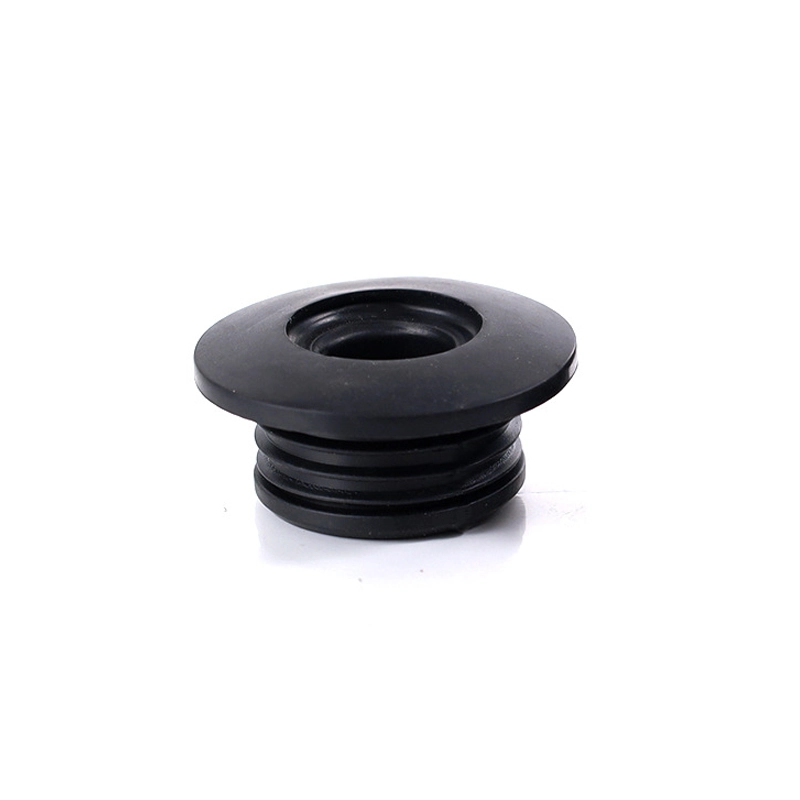 Urinal Sensor Inlet Seal Gasket Factory Replacement
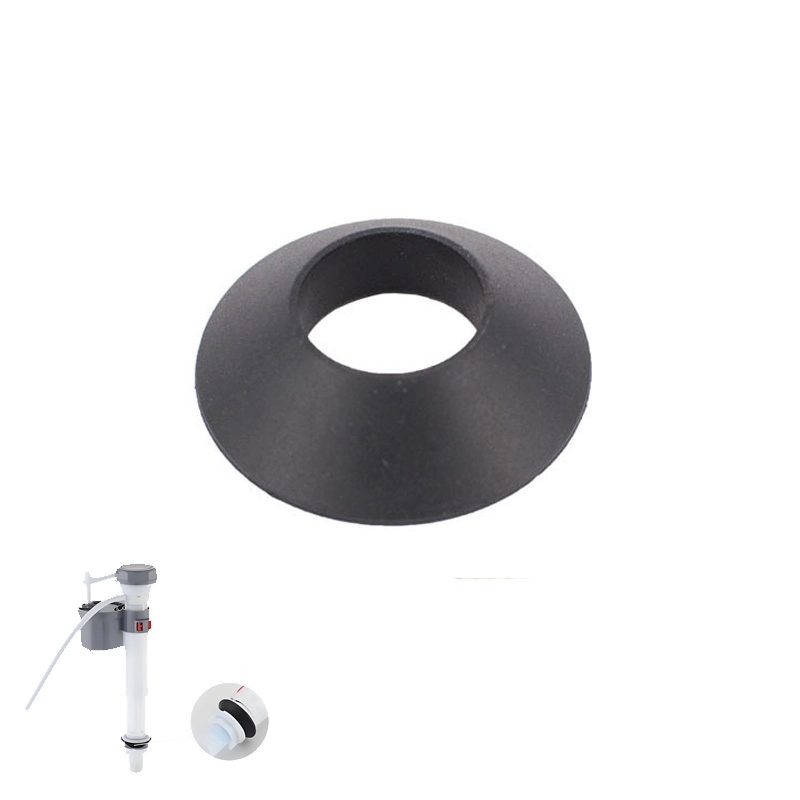 Toilet Tank Fill Valve Conical Seal Factory Replacement
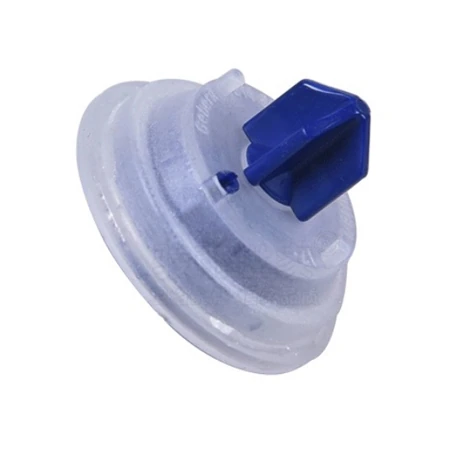 Wholesale Toilet Cistern Inlet Valve Diaphragm Washers
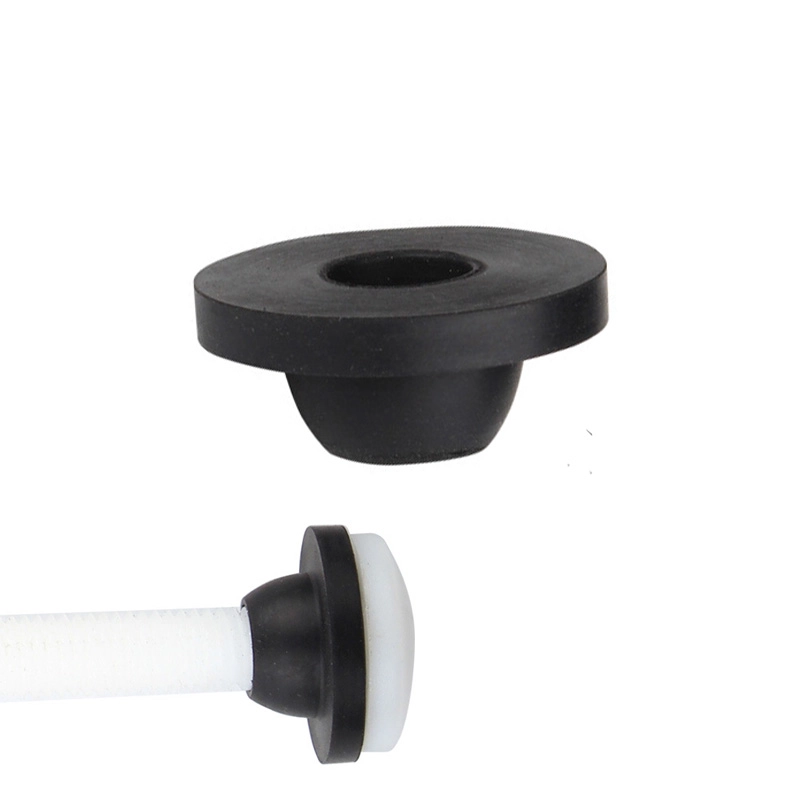 Conical Rubber Washers for Toilet Bolts Factory Wholesale