

How to Stop Toilet Tank Bolts from Leaking
Leaking toilet tank bolts are a common plumbing issue in residential bathrooms.
If not fixed quickly, they can cause water damage, mold growth, and higher water bills.
In most cases, leaks happen due to worn rubber washers, loose bolts, corrosion, or a damaged tank-to-bowl gasket.
The good news is that you can usually fix this problem yourself using basic tools and proper installation techniques.
This expert DIY guide explains how to diagnose and stop toilet tank bolt leaks effectively.
1. Replace Worn or Damaged Bolt Washers
Tank bolts use rubber or neoprene washers to create a watertight seal.
Over time, these washers can harden, crack, or compress, which allows water to leak.
Steps to fix
✅ Turn off the toilet water supply valve
✅ Flush the toilet to empty the tank
✅ Remove the nuts from underneath the bowl using an adjustable wrench
✅ Take out old washers (typically one inside the tank and one under the tank)
✅ Install new matching-size washers
Pro Tip:
Neoprene washers are more durable and last longer than standard rubber washers.
2. Tighten Tank Bolts Evenly
Improper tightening is one of the most frequent causes of leaks.
Loose bolts create gaps between the tank and bowl
Over-tightened bolts can crack porcelain components
Correct tightening method
✔ Hand-tighten both nuts first
✔ Use a wrench to tighten each bolt gradually
✔ Alternate sides to apply even pressure
✔ Stop tightening once firm resistance is felt
This balanced approach helps prevent leaks and protects the toilet tank from damage.
3. Inspect the Tank-to-Bowl Gasket
Sometimes water leaking near tank bolts is actually caused by a failed main tank-to-bowl gasket.
Check for these signs
Visible cracks or tears
Flattened or misaligned seal
Water pooling at the tank base
Replacement tips
Standard toilets usually use a 2-inch flush valve gasket
High-efficiency toilets often require a 3-inch gasket
Make sure the gasket sits evenly before reinstalling the tank
4. Use Thread Seal Tape for Minor Leaks
If small leaks persist after replacing washers, applying PTFE thread seal tape can help.
✔ Wrap a small amount around bolt threads
✔ Avoid excessive tape that may interfere with tightening
✔ Do not allow sealant to block internal tank components
This method improves sealing around worn bolt threads.
5. Replace Rusted or Corroded Tank Bolts
Old steel bolts can rust and weaken the sealing system.
Best solution
Install a universal toilet tank bolt kit that includes:
Stainless steel or brass bolts
New rubber washers
Lock nuts
Corrosion-resistant hardware significantly increases long-term reliability.
Final Leak Test
After reassembly:
1️⃣ Turn the water supply back on
2️⃣ Allow the tank to fill completely
3️⃣ Dry the tank base with a towel
4️⃣ Check carefully for drips around bolt areas
If no moisture appears after several flushes, the repair is successful 🎉
Expert Maintenance Tips
⭐ Inspect tank bolts and washers once per year
⭐ Avoid overtightening during installation
⭐ Replace aging rubber parts proactively
⭐ Fix minor leaks immediately to prevent costly repairs
Regular maintenance helps extend the lifespan of your toilet components and improves bathroom water efficiency.
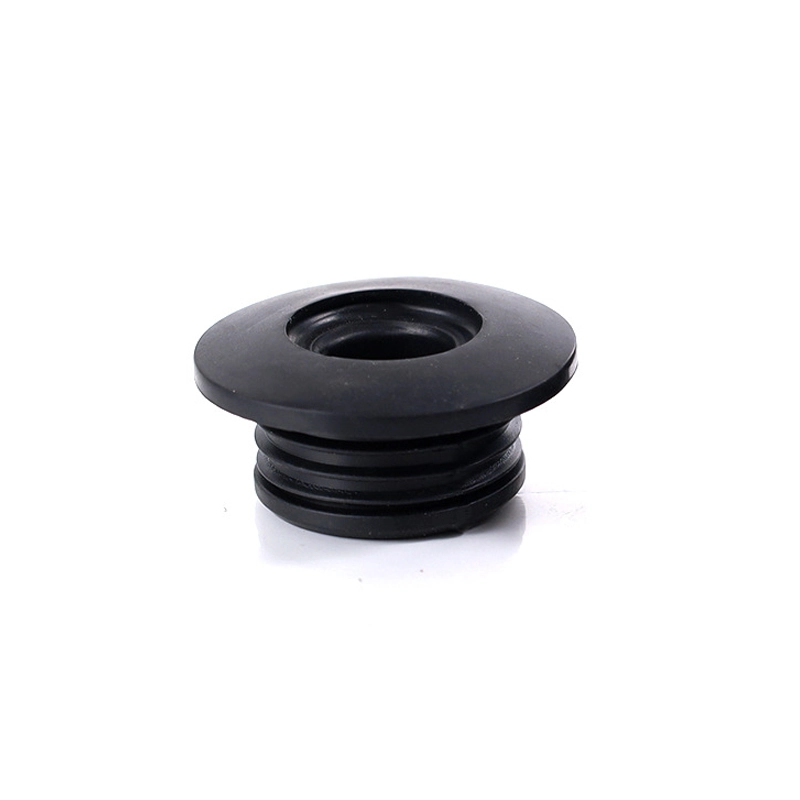 Urinal Sensor Inlet Seal Gasket Factory Replacement
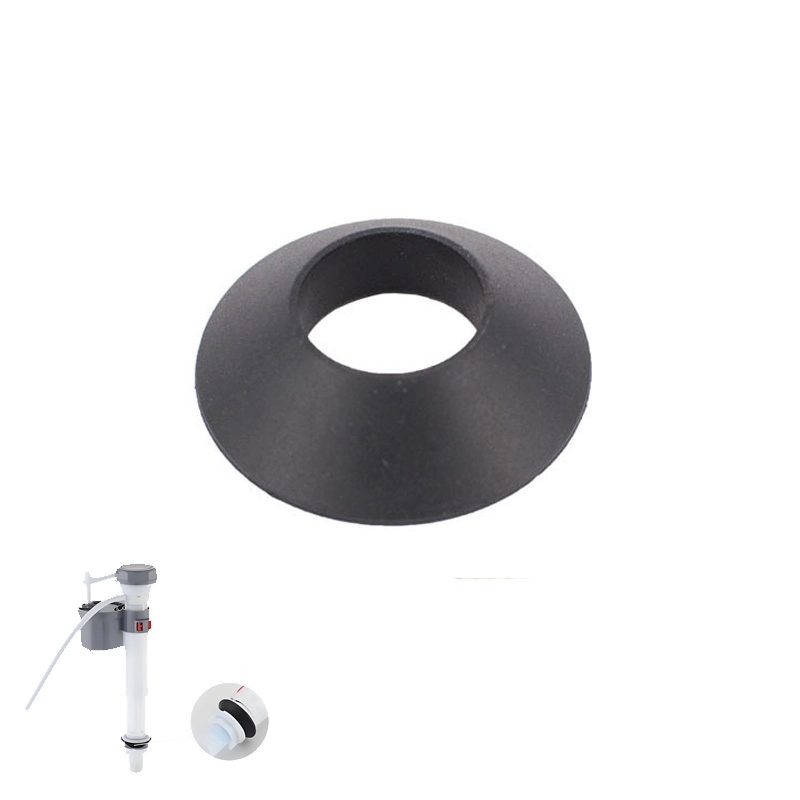 Toilet Tank Fill Valve Conical Seal Factory Replacement
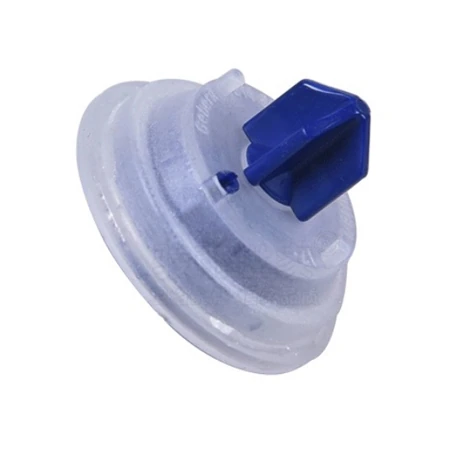 Wholesale Toilet Cistern Inlet Valve Diaphragm Washers
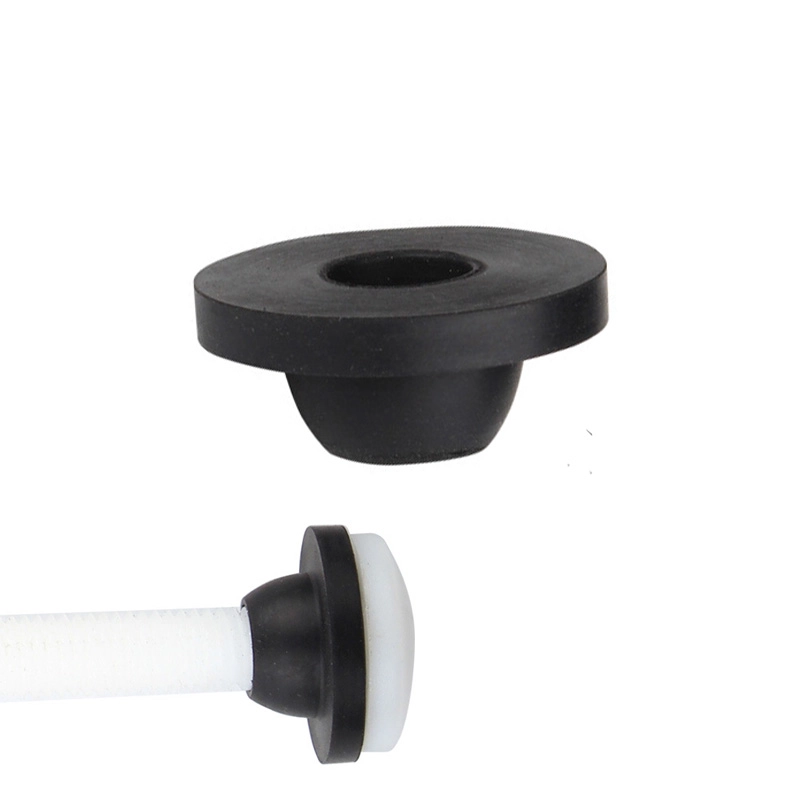 Conical Rubber Washers for Toilet Bolts Factory Wholesale