

How to replace the tank-to-bowl bolts?
A Complete DIY Guide for Safe and Leak-Free Replacement
Tank-to-bowl bolts are critical fasteners that secure the toilet tank to the bowl. Over time, they can rust, corrode, or loosen, leading to leaks, wobbling, or even tank damage. Replacing them is a straightforward DIY project with basic tools. Follow this step-by-step guide for a safe and successful replacement.
Tools & Materials You’ll Need
• New tank-to-bowl bolt kit (match your toilet model; includes bolts, nuts, washers, and gaskets – typically 2 or 3 bolts)
• Adjustable wrench (2 recommended for holding bolts and tightening nuts)
• Screwdriver (flathead or Phillips, depending on bolt heads)
• Sponge or towel (for cleaning water and debris)
• Bucket (to catch residual water)
• Rags (for drying surfaces)
• Vinegar or rust remover (optional, for cleaning corroded areas)
• Plumber’s putty or silicone sealant (optional, for extra leak protection)
Safety Precautions
• Always turn off the water supply to the toilet before starting. The shutoff valve is usually located behind the toilet, near the wall.
• Flush the toilet to empty most of the water from the tank. Use a sponge to soak up any remaining water at the bottom of the tank to avoid spills.
• Place a towel or bucket under the tank-bowl connection to catch any drips during the process.
• If bolts are severely rusted, wear gloves to avoid sharp edges and prevent rust from getting on your hands.
Step-by-Step Replacement Process
Step 1: Disconnect the Water Supply Line
Locate the water supply line that connects the shutoff valve to the bottom of the toilet tank (near the fill valve). Use an adjustable wrench to loosen the nut connecting the line to the tank. Hold the fill valve base with your hand to prevent it from twisting while loosening. Once loose, pull the line away and set it aside (place a rag under the connection to catch any remaining water).
Step 2: Remove the Old Tank-to-Bowl Bolts
1. Lift the tank lid carefully and set it in a safe, flat place (to avoid cracking).
2. Inside the tank, locate the tank-to-bowl bolts – they pass through the bottom of the tank and into the bowl. There may be plastic or metal washers and nuts on the top (inside the tank) and bottom (under the bowl).
3. Use one wrench to hold the bolt head (inside the tank) in place. With a second wrench, loosen the nut from underneath the bowl. If the bolts are rusted, apply a small amount of rust remover or vinegar to the nut and let it sit for 5–10 minutes to loosen corrosion.
4. Once the nuts are fully loosened, remove them, followed by the washers. Then, pull the old bolts out from the top of the tank.
5. Clean the bolt holes in the tank and bowl with a rag to remove any debris, rust, or old sealant.
Step 3: Prepare the New Bolts
1. Refer to the instructions on your new bolt kit – most kits include specific washers and gaskets for the top (tank side) and bottom (bowl side).
2. Slide the appropriate washer onto each new bolt (usually a rubber or fiber washer for the tank side to prevent leaks).
3. If the kit includes a spud gasket (the large rubber gasket that fits between the tank and bowl’s drain opening), inspect it – this is often replaced at the same time as the bolts to prevent leaks. If your old spud gasket is cracked or worn, remove it and replace it with the new one (apply a thin layer of plumber’s putty to the gasket’s edges if desired for a better seal).
Step 4: Install the New Bolts
1. Insert the new bolts through the holes in the bottom of the tank, from the inside out. Ensure the washers are properly seated against the tank to create a tight seal.
2. Carefully lower the tank (if you lifted it) back into place on the bowl, aligning the bolts with the corresponding holes in the bowl.
3. From underneath the bowl, slide the remaining washers (usually metal or hard plastic) onto the bolts, followed by the nuts.
4. Hand-tighten the nuts first to ensure the tank is level and properly aligned. Do not overtighten yet – this can crack the tank or bowl.
Step 5: Tighten the Bolts Evenly
1. Use two wrenches again: one to hold the bolt head inside the tank, and the other to tighten the nut underneath the bowl.
2. Tighten the nuts gradually and evenly (alternate between bolts if there are 2 or 3) to keep the tank level. Stop when the nut is snug – overtightening can cause ceramic cracks. A good rule of thumb is to tighten until you feel slight resistance, then give it a 1/8 turn more.
3. Check that the tank is level and not wobbling. If it is, adjust the tightness of the nuts slightly to level it.
Step 6: Reconnect the Water Supply
1. Reattach the water supply line to the fill valve at the bottom of the tank. Hand-tighten the nut first, then use a wrench to give it a 1/4 turn more to secure it (do not overtighten, as this can damage the fill valve or supply line).
2. Turn the water supply valve back on slowly to allow the tank to fill. Watch for leaks around the bolt connections (top and bottom) and the water supply line.
Step 7: Test for Leaks
1. Once the tank is full, flush the toilet and observe the connections. Check for any water dripping from the bolts, nuts, or tank-bowl seam.
2. If you notice a leak, tighten the corresponding nut slightly (again, do not overtighten). If the leak persists, check that the washers are properly seated or replace them with new ones from the kit.
3. Replace the tank lid and give the toilet a few more flushes to ensure everything is working correctly.
Common Troubleshooting Tips
• Leaking around the bolts: Ensure the washers are properly installed and the bolts are tightened evenly. If leaks continue, apply a small amount of silicone sealant around the washer on the tank side.
• Tank is wobbling: The tank may not be level. Loosen the nuts slightly, adjust the tank’s position, and retighten evenly.
• Cracked tank/bowl: Stop immediately if you notice a crack. Do not use the toilet – replace the damaged component (tank or bowl) as needed.
• Bolts won’t come out: If corrosion is severe, you may need to cut the bolts with a hacksaw (be careful not to damage the tank or bowl). Alternatively, use a bolt extractor tool.
Pro Tips
• Replace tank-to-bowl bolts every 5–7 years, even if they aren’t leaking, to prevent unexpected failures.
• Choose stainless steel or brass bolts for better corrosion resistance, especially in humid bathrooms or hard water areas.
If you’re unsure about your toilet model, take one of the old bolts to a hardware store to match the size and thread type.
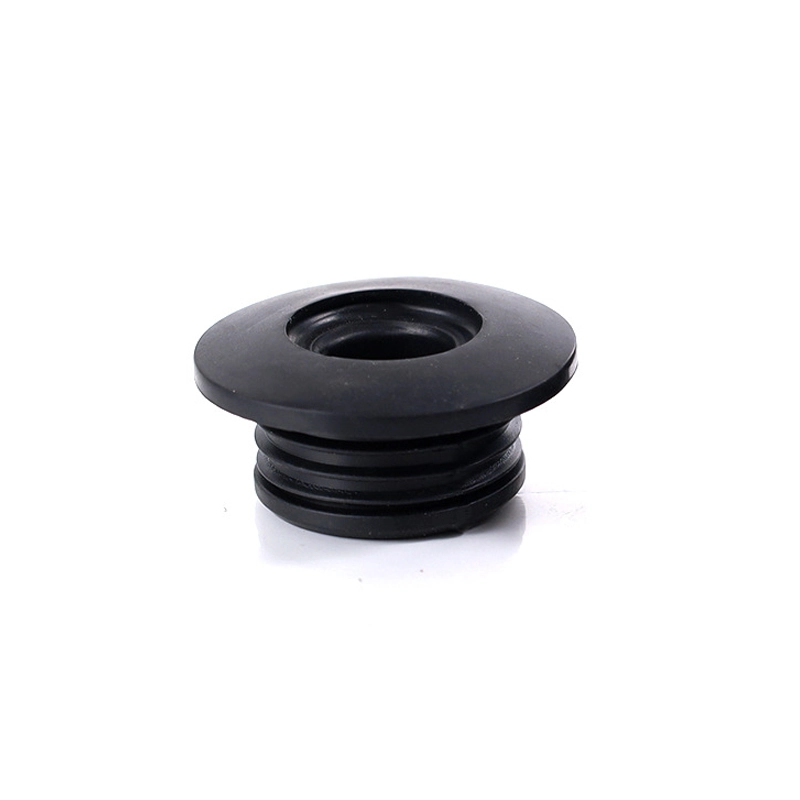 Urinal Sensor Inlet Seal Gasket Factory Replacement
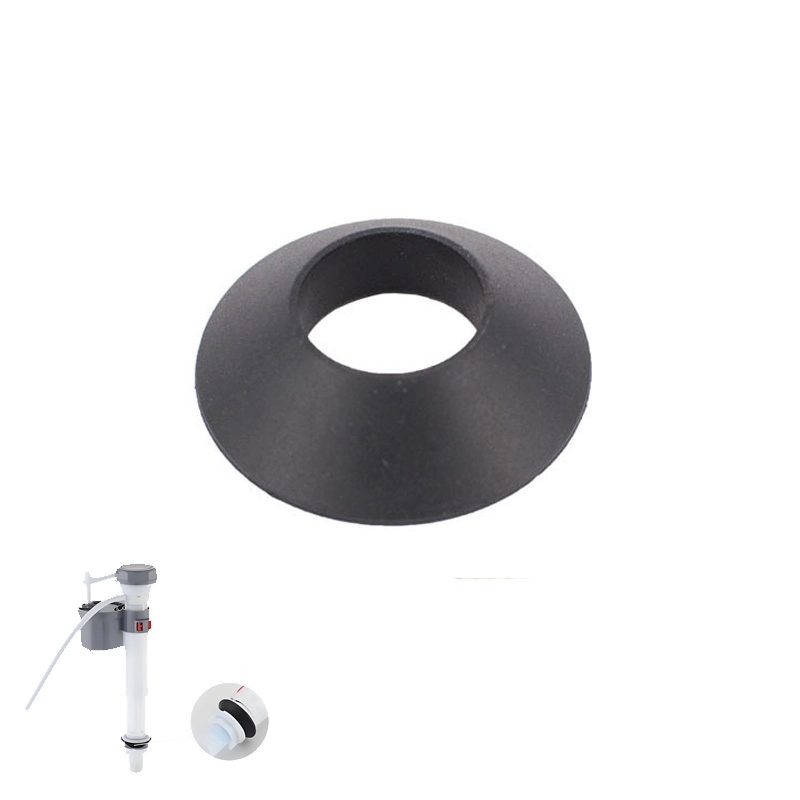 Toilet Tank Fill Valve Conical Seal Factory Replacement
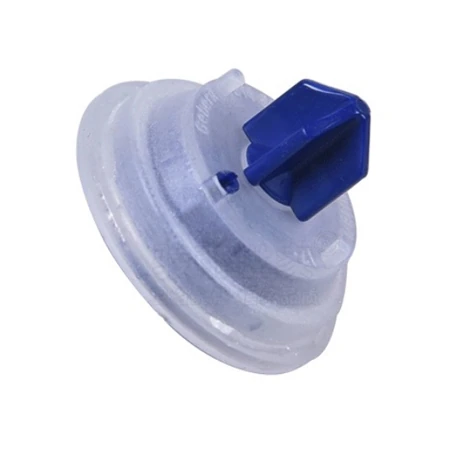 Wholesale Toilet Cistern Inlet Valve Diaphragm Washers
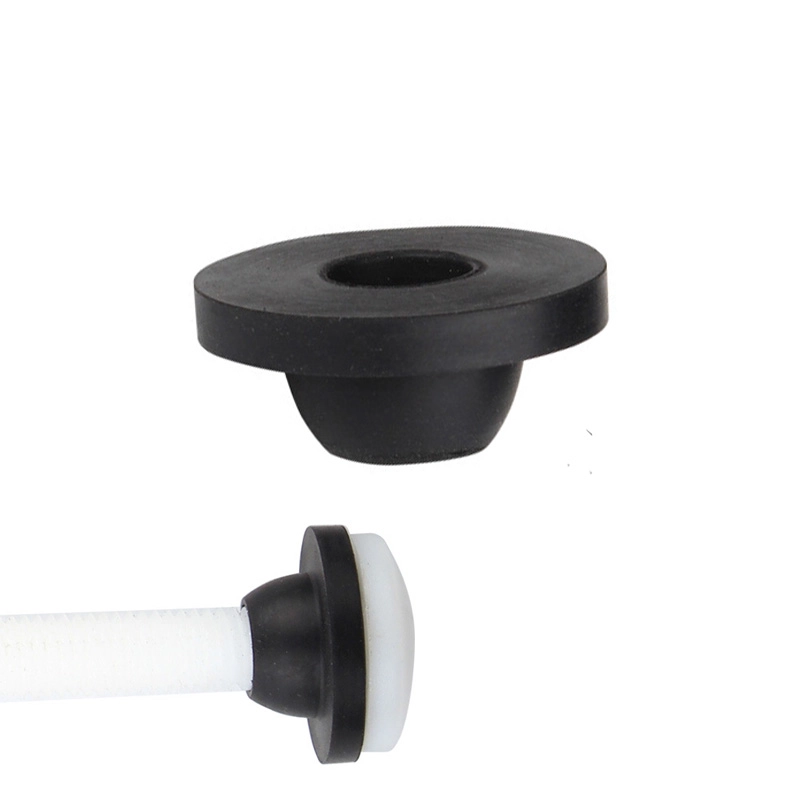 Conical Rubber Washers for Toilet Bolts Factory Wholesale