

How to tighten toilet tank water seal?
Tightening a toilet tank water seal (usually the tank-to-bowl seal or flush valve seal) is a common fix for leaks between the toilet tank and bowl. Follow these steps carefully to avoid cracking the porcelain.
Tools You’ll Need
Adjustable wrench or deep socket wrench
Screwdriver (if bolt heads are slotted)
Towel or sponge
Bucket
Step-by-Step: How to Tighten a Toilet Tank Water Seal
1. Turn Off the Water Supply
Locate the shut-off valve behind the toilet and turn it clockwise to stop the water flow.
2. Empty the Tank
Flush the toilet and hold the handle down to drain as much water as possible. Use a towel or sponge to remove any remaining water from the tank.
3. Access the Tank Bolts
Look under the toilet tank where it meets the bowl. You’ll see two or three tank bolts with nuts underneath.
4. Tighten the Tank Bolts Evenly
Use a wrench to tighten the nuts slowly and evenly.
Alternate between bolts, turning each ¼ turn at a time.
Stop when the tank feels stable and level.
⚠️ Important:
Do NOT overtighten. Porcelain tanks can crack easily.
5. Check the Tank-to-Bowl Seal
If tightening the bolts does not stop the leak:
The rubber tank-to-bowl gasket (water seal) may be worn, misaligned, or compressed.
In this case, tightening alone won’t fix the problem—you’ll need to replace the seal.
6. Reconnect Water and Test
Turn the water supply back on.
Let the tank fill completely.
Flush several times and inspect for leaks around the base of the tank.
Common Mistakes to Avoid
❌ Overtightening bolts (can crack the tank)
❌ Tightening only one side
❌ Reusing an old, hardened rubber seal
❌ Using metal washers instead of rubber ones
When to Replace Instead of Tighten
Replace the toilet tank water seal if you notice:
Cracked or flattened rubber
Persistent leaking after tightening
Seal older than 5–7 years
Pro Tip for Long-Term Leak Prevention
Using a high-quality silicone or EPDM tank seal provides better elasticity and longer service life than cheap rubber gaskets.
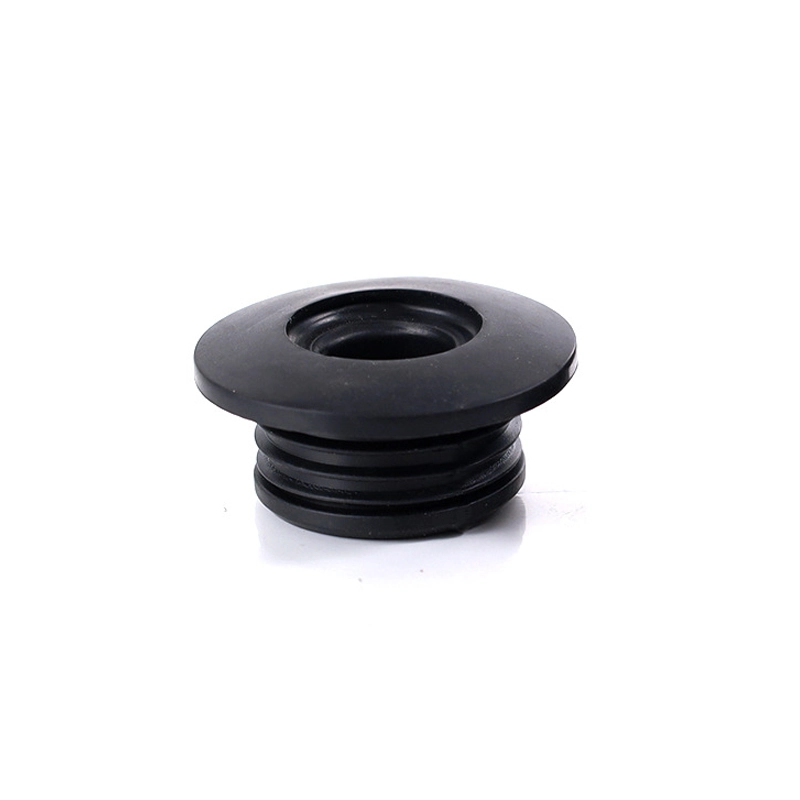 Urinal Sensor Inlet Seal Gasket Factory Replacement
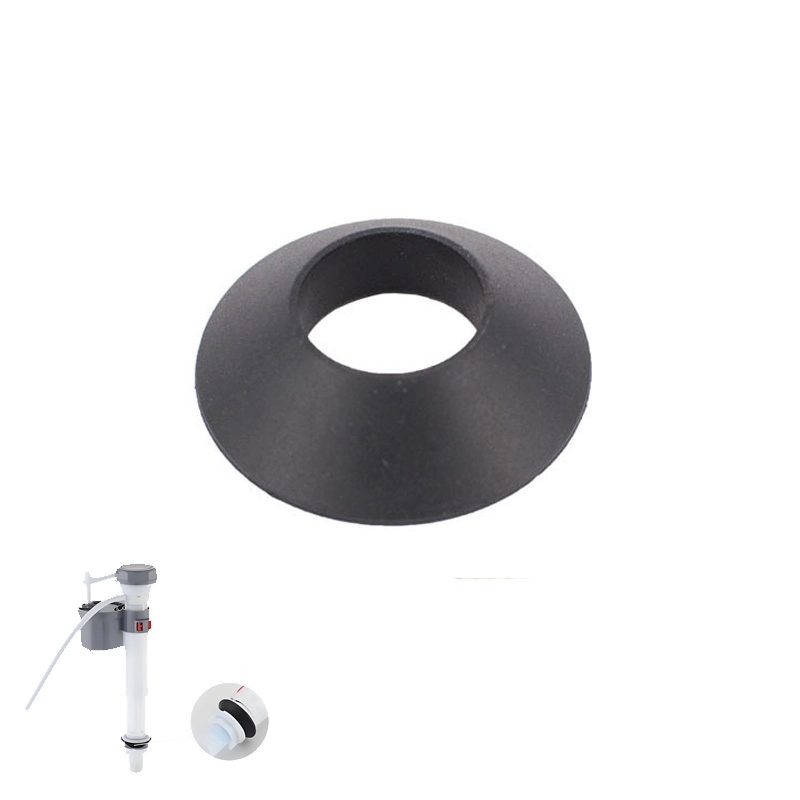 Toilet Tank Fill Valve Conical Seal Factory Replacement
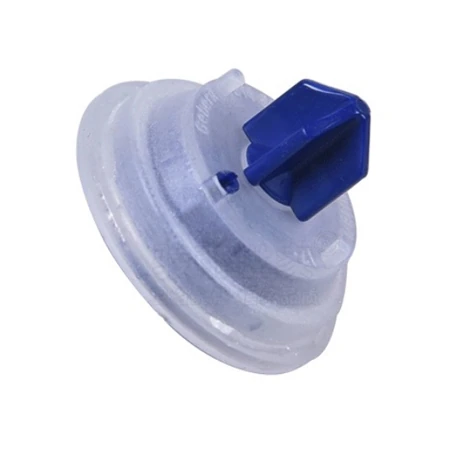 Wholesale Toilet Cistern Inlet Valve Diaphragm Washers
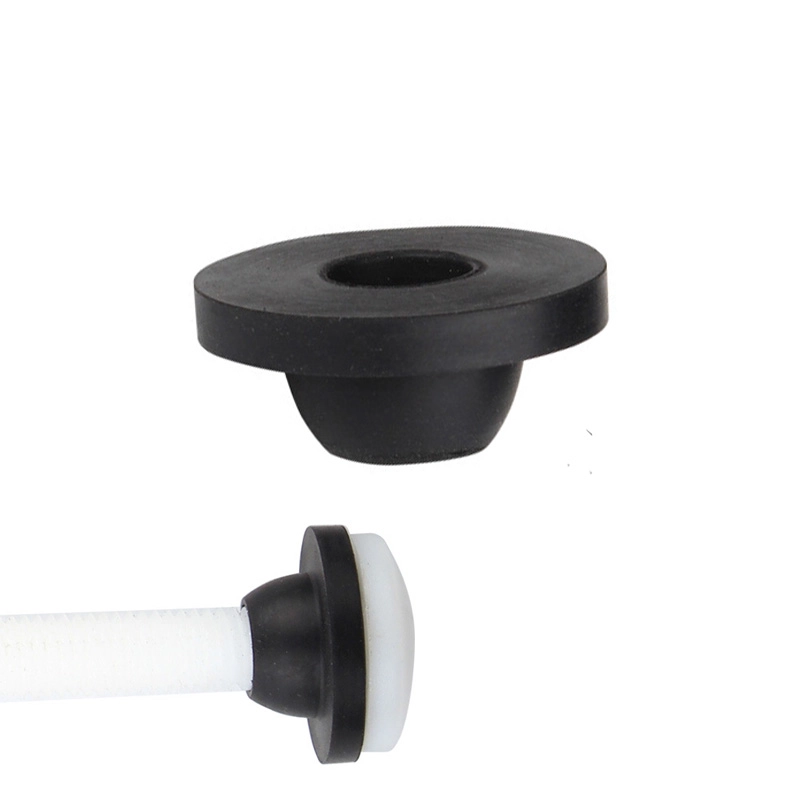 Conical Rubber Washers for Toilet Bolts Factory Wholesale