

How to Replace a Toilet Fill Valve Seal (DIY Guide to Fix Running Toilet)
A constantly running toilet is more than just an annoyance—it can waste hundreds of gallons of water and increase your utility bill. One of the most common causes is a worn-out toilet tank fill valve seal.
The good news? Replacing the seal is a quick, affordable DIY repair that most homeowners can complete in under 15 minutes—no plumbing experience required.
This guide walks you through the process step by step, with practical tips to ensure long-lasting results.
What Is a Toilet Fill Valve Seal?
The fill valve seal is a small rubber or silicone component inside the toilet’s fill valve. Its primary function is to:
Control water flow into the tank
Create a watertight seal after each flush
Prevent continuous refilling
Over time, the seal can wear out due to:
Hard water mineral buildup
Aging and loss of elasticity
Debris inside the tank
When this happens, your toilet may not shut off properly.
Signs Your Fill Valve Seal Needs Replacement
Before replacing parts, confirm the issue. Common symptoms include:
Toilet keeps running after flushing
Water trickling into the overflow tube
Intermittent “ghost flushing” sounds
Higher-than-normal water bills
👉 If these signs appear, replacing the seal is often the fastest and most cost-effective fix.
Tools and Materials Needed
Prepare the following items:
Replacement toilet fill valve seal (universal or model-specific)
Adjustable wrench or pliers
Sponge or towel
Small bucket (optional)
Rubber gloves (optional)
💡 Pro Tip: Choosing a high-quality silicone seal can significantly extend lifespan compared to standard rubber.
Step-by-Step: How to Replace a Fill Valve Seal
Step 1: Turn Off the Water Supply
Locate the shutoff valve behind the toilet and turn it clockwise until fully closed.
Step 2: Drain the Tank
Flush the toilet to empty the tank. Use a sponge or towel to remove any remaining water.
Step 3: Remove the Fill Valve Cap
Open the tank lid
Twist or unclip the fill valve cap (varies by model)
This exposes the internal seal.
Step 4: Remove the Old Seal
Carefully take out the worn seal and inspect it for:
Cracks
Hardening
Mineral buildup
Step 5: Install the New Seal
Insert the new seal in the same position
Ensure it sits flat and tight
⚠️ Improper placement can cause continued leaking.
Step 6: Reassemble the Fill Valve
Secure the cap back into place until it locks firmly.
Step 7: Turn the Water Back On
Slowly reopen the shutoff valve and allow the tank to refill.
Step 8: Test the Toilet
Flush 2–3 times and check for:
Continuous running
Leaks
Abnormal refill sounds
✔️ If everything works properly, the repair is complete.
Expert Tips for Long-Term Performance
To prevent future issues:
Use high-quality silicone seals for durability
Clean mineral deposits every 3–6 months
Avoid overtightening plastic components
Install a water softener if you have hard water
When to Replace the Entire Fill Valve
If problems persist after replacing the seal, the issue may be:
Worn fill valve assembly
Internal cracks
Float mechanism failure
👉 In this case, replacing the entire fill valve is recommended.
Frequently Asked Questions (FAQ)
1. Are fill valve seals universal?
Most modern toilets use universal seals, but always check compatibility with your fill valve model for best results.
2. How long does a fill valve seal last?
Typically 2–5 years, depending on water quality and usage.
3. Can I replace the seal without removing the tank?
Yes. This repair is done entirely inside the tank—no tank removal required.
4. Why is my toilet still running after replacing the seal?
Possible causes include:
Incorrect seal installation
Debris inside the valve
Faulty fill valve or flapper
Conclusion
Replacing a toilet tank fill valve seal is one of the easiest and most cost-effective plumbing fixes you can do yourself. With minimal tools and a few simple steps, you can:
Stop a running toilet
Reduce water waste
Lower your utility bill
If the issue continues after replacement, upgrading the entire fill valve is the next best step—but in most cases, a new seal is all you need.
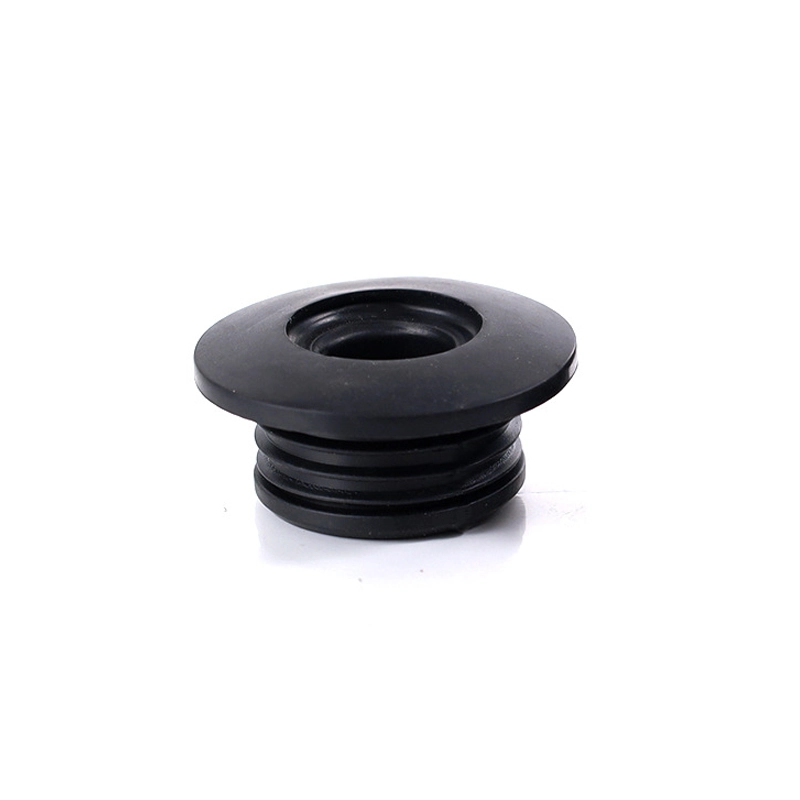 Urinal Sensor Inlet Seal Gasket Factory Replacement
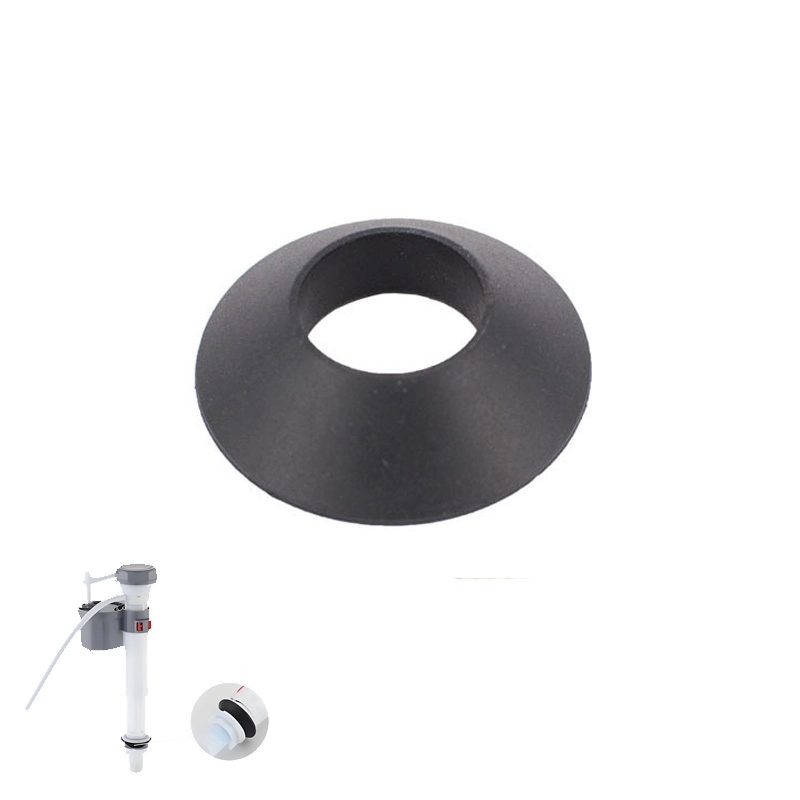 Toilet Tank Fill Valve Conical Seal Factory Replacement
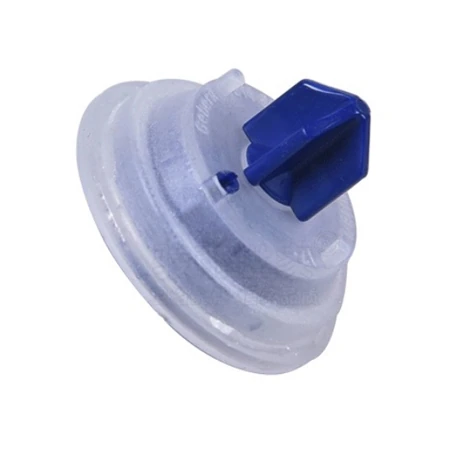 Wholesale Toilet Cistern Inlet Valve Diaphragm Washers
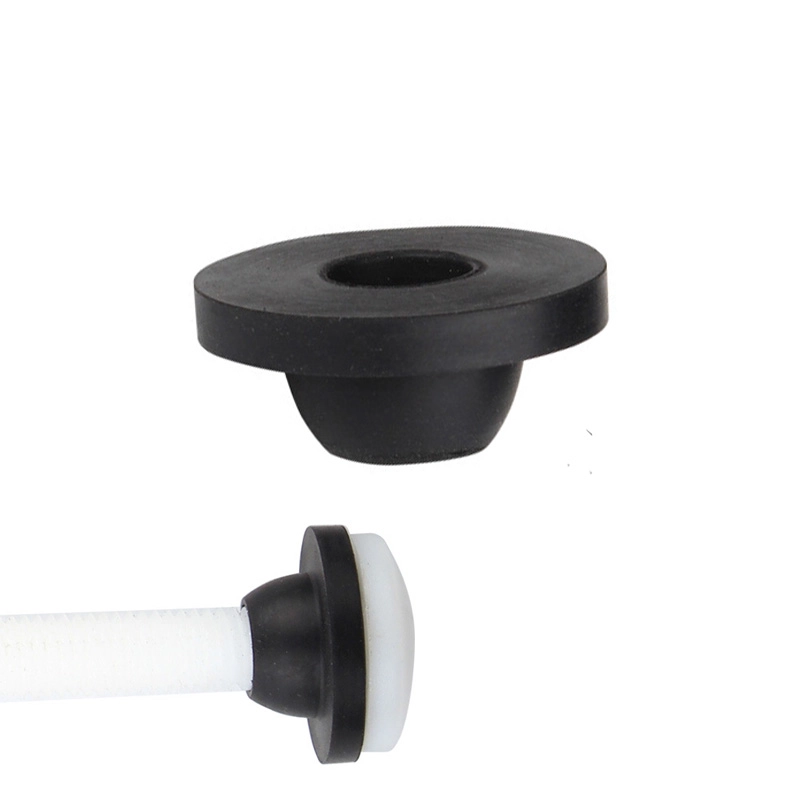 Conical Rubber Washers for Toilet Bolts Factory Wholesale