

Waterproof Toilet Flush Valve Seal: Prevent Leaks & Save Water
If your toilet is constantly running or slowly leaking water into the bowl, the issue is often something small—but critical: the flush valve rubber seal.
Many homeowners overlook this component, yet it plays a major role in preventing water waste, maintaining flushing performance, and avoiding costly repairs. In this guide, we’ll break down why waterproof toilet flush valve seals matter, how they work, and how to keep your toilet leak-free.
What Is a Toilet Flush Valve Rubber Seal?
A flush valve rubber seal (sometimes called a flapper seal or gasket) sits at the bottom of your toilet tank. Its job is simple but crucial:
Seal water inside the tank
Release water only during a flush
Prevent leaks into the bowl
When this seal fails, even slightly, water continuously escapes—often without obvious signs.
1. Prevents Silent Leaks and Water Waste
A high-quality waterproof seal creates a tight, reliable barrier between the tank and bowl.
Without it:
Water slowly leaks into the bowl
The fill valve keeps running to compensate
You waste hundreds of gallons per month
👉 According to EPA estimates, a leaking toilet can waste up to 200 gallons per day.
That’s money literally going down the drain.
2. Ensures Proper Flushing Performance
The seal controls how water is released during a flush.
When it’s working properly:
Water releases quickly and efficiently
The flush is strong and complete
When it’s worn or warped:
Weak or incomplete flushes
Frequent double flushing
Increased risk of clogs
A small seal problem can quickly turn into a daily frustration.
3. Built to Withstand Harsh Bathroom Conditions
Toilet seals operate in a tough environment:
Constant water exposure
Pressure changes during flushing
Contact with cleaning chemicals
Hard water mineral buildup
Waterproof rubber or silicone seals are designed to resist:
Cracking and brittleness
Chemical corrosion
Deformation over time
Higher-quality materials last significantly longer and maintain a better seal.
4. Easy and Low-Cost Replacement
One of the biggest advantages of flush valve seals is how easy they are to replace.
You don’t need to replace the entire toilet—just the seal.
Typical replacement:
Takes 5–15 minutes
Requires no special tools
Costs only a few dollars
👉 Pro tip: Check your seal every 6–12 months for:
Cracks
Warping
Discoloration
Loss of flexibility
5. Saves Money and Reduces Environmental Impact
Fixing a leaking seal is one of the most cost-effective plumbing fixes you can make.
Benefits include:
Lower water bills
Reduced water waste
Improved toilet efficiency
In eco-conscious markets like the U.S. and Europe, water efficiency is a major priority—making this small upgrade a smart investment.
6. Improves Bathroom Hygiene
A leaking toilet can create:
Damp conditions
Mold or mildew growth
Odors from stagnant water
A properly sealed flush valve helps:
Keep your bathroom dry
Reduce bacteria growth
Maintain a cleaner, fresher environment
7. Prevents Bigger Plumbing Problems
Ignoring a worn seal can lead to:
Constant running toilet
Increased wear on fill valve components
Higher risk of overflow or tank damage
Replacing a simple rubber seal early can prevent expensive repairs later.
How to Choose the Right Waterproof Flush Valve Seal
For best results, look for:
Material: Silicone or high-grade rubber
Compatibility: Match your toilet brand and valve size (2-inch or 3-inch)
Durability: Resistant to chlorine and hard water
Flexibility: Soft enough to create a tight seal
Conclusion
A waterproof toilet flush valve rubber seal may be small, but its impact is huge. It prevents leaks, improves flushing performance, saves water, and protects your bathroom from damage.
If your toilet is running, leaking, or underperforming, this should be the first component you check.
Regular inspection and timely replacement will keep your toilet efficient, reliable, and cost-effective for years to come.
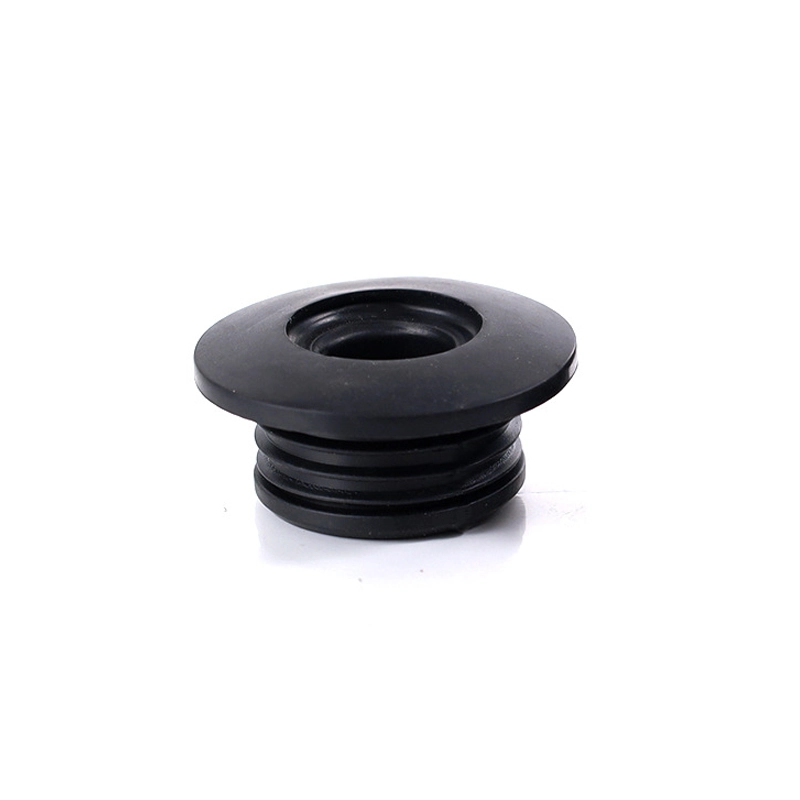 Urinal Sensor Inlet Seal Gasket Factory Replacement
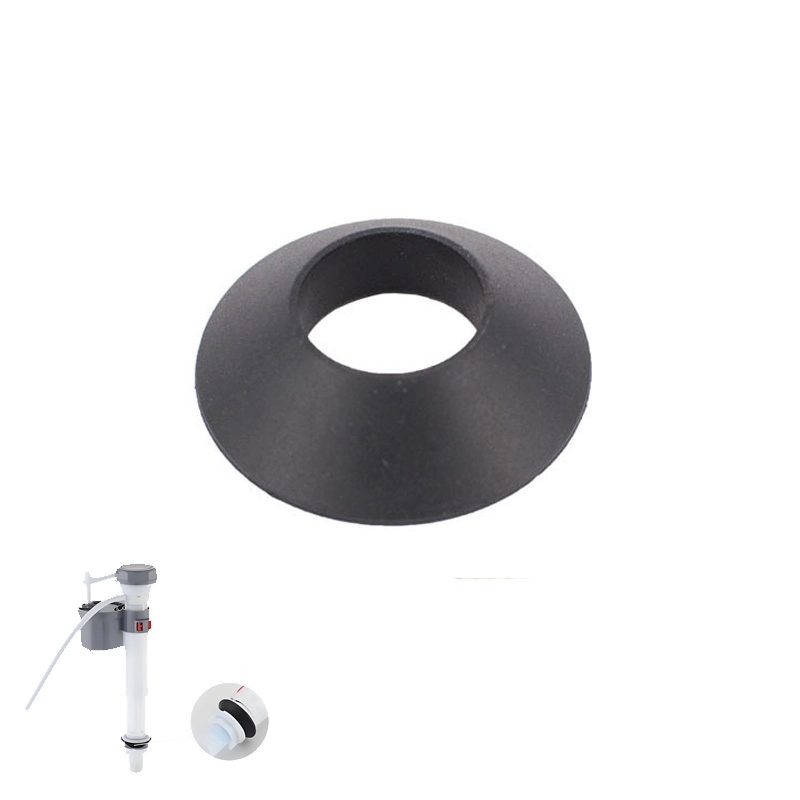 Toilet Tank Fill Valve Conical Seal Factory Replacement
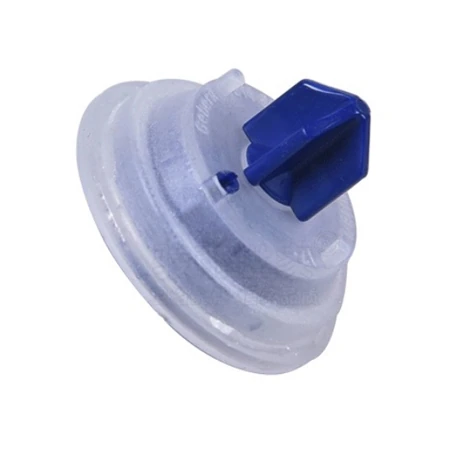 Wholesale Toilet Cistern Inlet Valve Diaphragm Washers
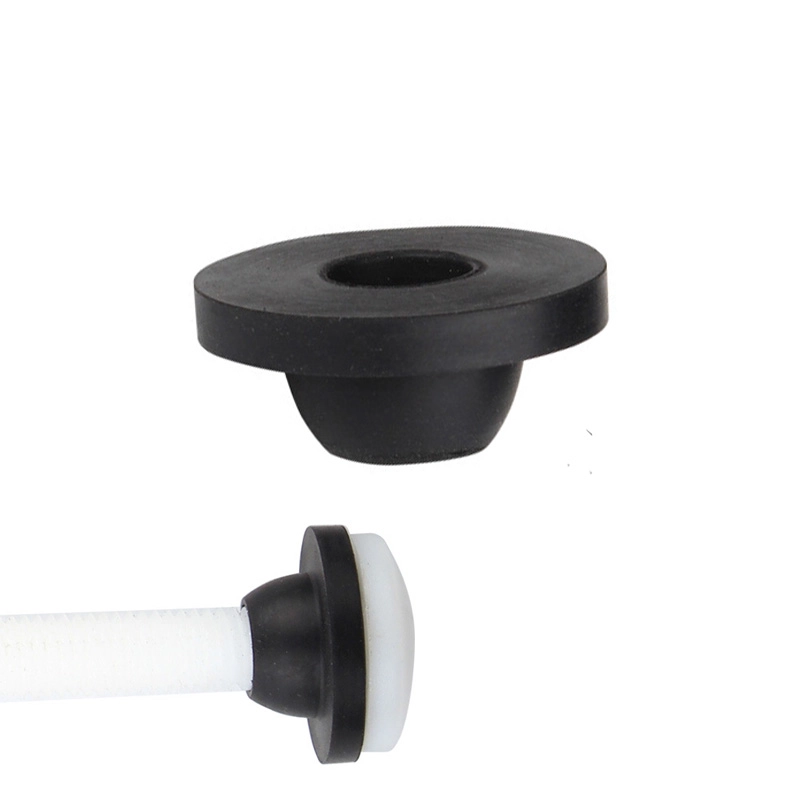 Conical Rubber Washers for Toilet Bolts Factory Wholesale