

Best Materials for Long Lasting Toilet Seals (Durable Rubber Seal Guide)
A Complete Guide for Manufacturers, Distributors, and Buyers
Toilet seals may be small components, but they play a critical role in preventing leaks, maintaining flushing efficiency, and extending the lifespan of toilet systems. Whether used in residential bathrooms, commercial buildings, or industrial restroom facilities, the quality of toilet seal materials directly impacts performance and durability.
For toilet manufacturers, flush valve producers, and plumbing distributors, selecting the best materials for long lasting toilet seals helps reduce maintenance costs, minimize product returns, and improve customer satisfaction. In this guide, we explore the most durable materials, compare their performance, and help buyers choose the right option for their applications.
Why Material Selection Matters for Toilet Seals
The material used in a toilet seal determines its durability, flexibility, and resistance to environmental factors. High-quality materials offer several benefits:
Prevent water leakage and maintain tight sealing
Improve flushing efficiency and water control
Resist chlorine, chemicals, and mineral buildup
Reduce maintenance and replacement frequency
Extend overall toilet lifespan
On the other hand, low-quality materials may result in:
Cracking and hardening over time
Continuous water leakage
Poor flushing performance
Increased maintenance costs
For manufacturers and facility managers, choosing durable materials is essential for long-term reliability.
Most Durable Materials for Long Lasting Toilet Seals
1. EPDM Rubber — The Industry Standard
EPDM (Ethylene Propylene Diene Monomer) rubber is one of the most widely used materials for toilet seals. It offers excellent resistance to water, heat, and aging, making it ideal for long-term use.
Key Advantages
Excellent water resistance
Strong aging resistance
Good elasticity and flexibility
Long service life
Cost-effective for mass production
Best Applications
Toilet flush valve seals
Fill valve seals
Toilet tank seals
Urinal seals
EPDM is commonly used by toilet manufacturers because it balances durability and cost-effectiveness.
2. Silicone Rubber — Premium Long-Life Material
Silicone rubber is widely recognized for its superior flexibility and resistance to extreme temperatures. It is commonly used in premium toilet systems and commercial restroom installations.
Key Advantages
Excellent temperature resistance
Long-lasting flexibility
Resistant to chemicals and cleaning agents
Minimal deformation over time
Best Applications
High-end toilets
Commercial restroom systems
Heavy-use public facilities
Silicone seals typically last longer than traditional rubber seals, making them ideal for high-demand environments.
3. NBR Rubber — Durable and Cost-Effective
NBR (Nitrile Butadiene Rubber) is known for its good wear resistance and durability. It is often used in valve seals and general toilet sealing applications.
Key Advantages
Good wear resistance
Strong durability
Cost-effective solution
Suitable for various valve components
Best Applications
Flush valve seals
Fill valve seals
General toilet seals
NBR is a practical choice for manufacturers looking for reliable performance at competitive pricing.
4. TPR and PVC — Budget-Friendly Options
TPR (Thermoplastic Rubber) and PVC materials are often used in cost-sensitive applications. While less durable than rubber-based materials, they can still provide reliable performance in standard use environments.
Key Advantages
Lower production cost
Easy manufacturing
Suitable for standard applications
Limitations
Shorter lifespan
Less resistant to harsh conditions
These materials are typically used for entry-level or short-term replacement seals.
Comparison of Toilet Seal Materials
Material | Durability | Flexibility | Cost | Recommended Application
---|---|---|---
EPDM | High | High | Medium | General use
Silicone | Very High | Very High | High | Premium toilets
NBR | Medium-High | Medium | Medium | Valve seals
TPR/PVC | Medium | Medium | Low | Budget applications
Factors That Affect Toilet Seal Lifespan
Even the best materials can wear out faster depending on usage conditions. Several factors influence seal lifespan:
Water Quality
Hard water and mineral buildup can reduce the flexibility and lifespan of seals.
Usage Frequency
Commercial and public restrooms experience higher usage, requiring more durable seal materials.
Cleaning Chemicals
Harsh cleaning agents can degrade rubber materials over time.
Temperature Conditions
Extreme heat or cold can accelerate material aging and cracking.
Manufacturers should consider these factors when selecting seal materials for different markets.
Why High-Quality Toilet Seals Matter for Manufacturers
Using high-quality materials offers multiple benefits for manufacturers and distributors:
Reduce warranty claims and returns
Improve customer satisfaction
Strengthen brand reputation
Lower maintenance costs
Increase product lifespan
High-performance toilet seals also improve overall toilet system reliability, which is essential for commercial buyers and facility managers.
ZXLSEAL — Professional Long Lasting Toilet Seal Manufacturer
ZXLSEAL specializes in manufacturing durable toilet seals for global customers. Our product range includes:
Toilet flush valve seals
Fill valve seals
Toilet tank seals
Urinal seals
Custom rubber seals
OEM and ODM sealing solutions
Why Choose ZXLSEAL
High-quality EPDM, silicone, and NBR materials
Custom design support
OEM and ODM services
Stable global supply capability
Strict quality control standards
ZXLSEAL provides reliable sealing solutions for toilet manufacturers, plumbing brands, and distributors worldwide.
Frequently Asked Questions
What is the most durable material for toilet seals?
EPDM and silicone are considered the most durable materials. Silicone offers the longest lifespan, while EPDM provides excellent performance at a lower cost.
How long do toilet seals typically last?
High-quality toilet seals usually last between 3 to 10 years depending on usage conditions and material quality.
Which material is best for commercial toilet seals?
Silicone and high-grade EPDM are recommended for commercial restrooms due to their durability and chemical resistance.
Do all toilet seals use the same materials?
No, toilet seals are made from different materials depending on application, cost requirements, and performance expectations.
Can custom toilet seal materials be manufactured?
Yes, manufacturers like ZXLSEAL offer custom materials and designs based on specific product requirements.
Conclusion
Choosing the best materials for long lasting toilet seals is essential for ensuring reliable performance and reducing maintenance costs. EPDM, silicone, and NBR remain the top choices for toilet manufacturers worldwide.
By selecting high-quality materials, manufacturers and buyers can improve product durability, enhance customer satisfaction, and extend toilet system lifespan.
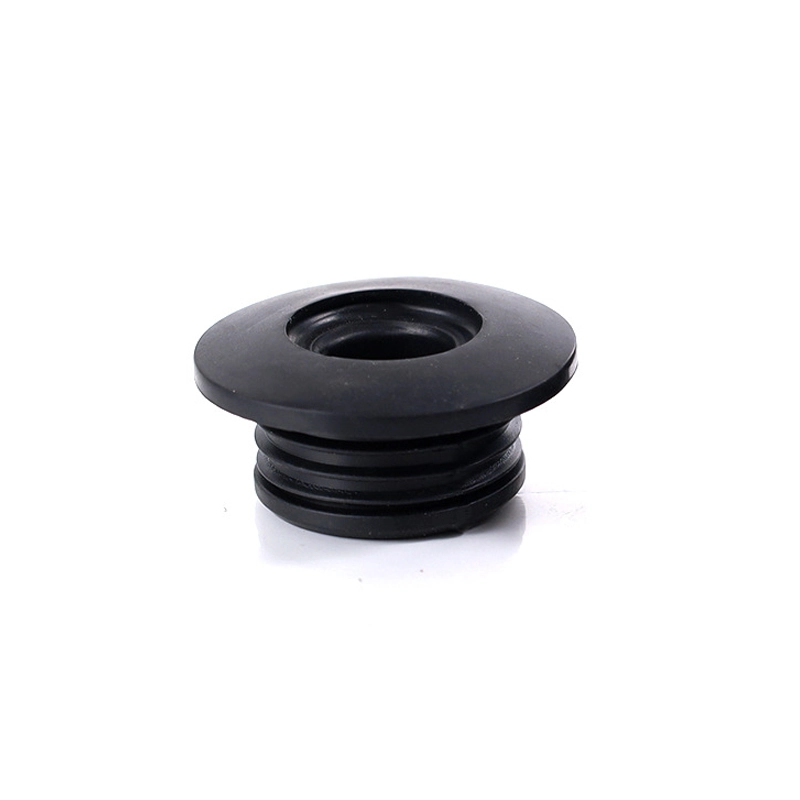 Urinal Sensor Inlet Seal Gasket Factory Replacement
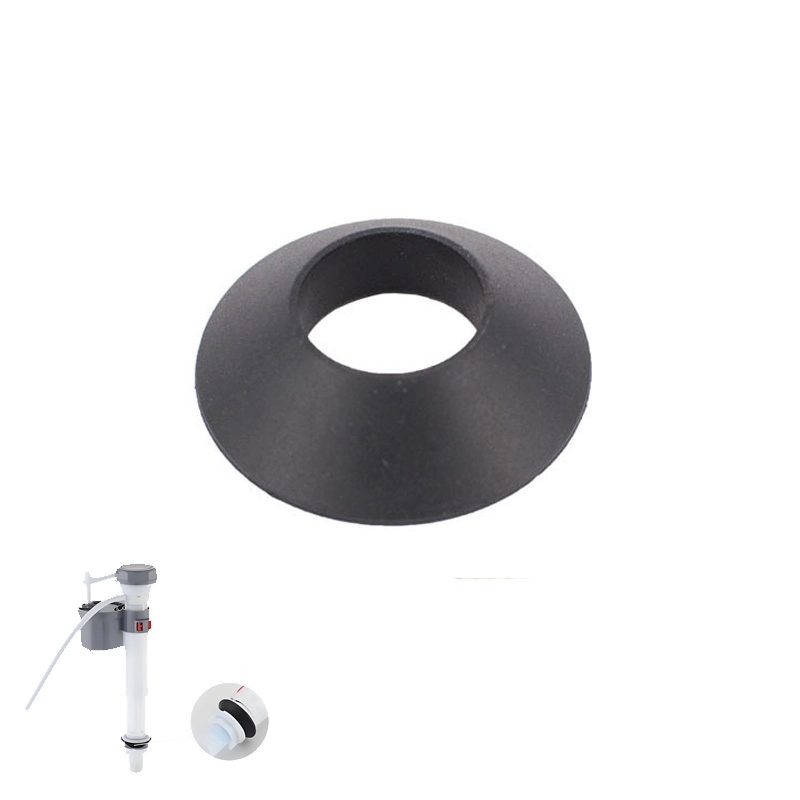 Toilet Tank Fill Valve Conical Seal Factory Replacement
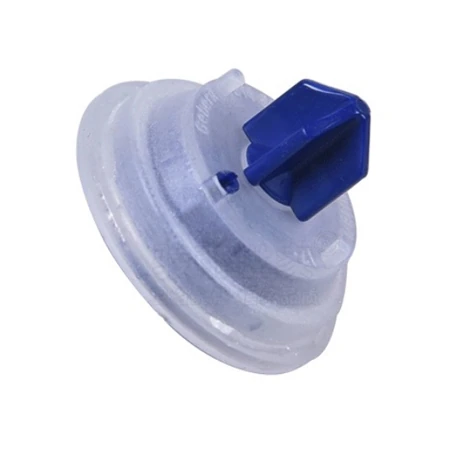 Wholesale Toilet Cistern Inlet Valve Diaphragm Washers
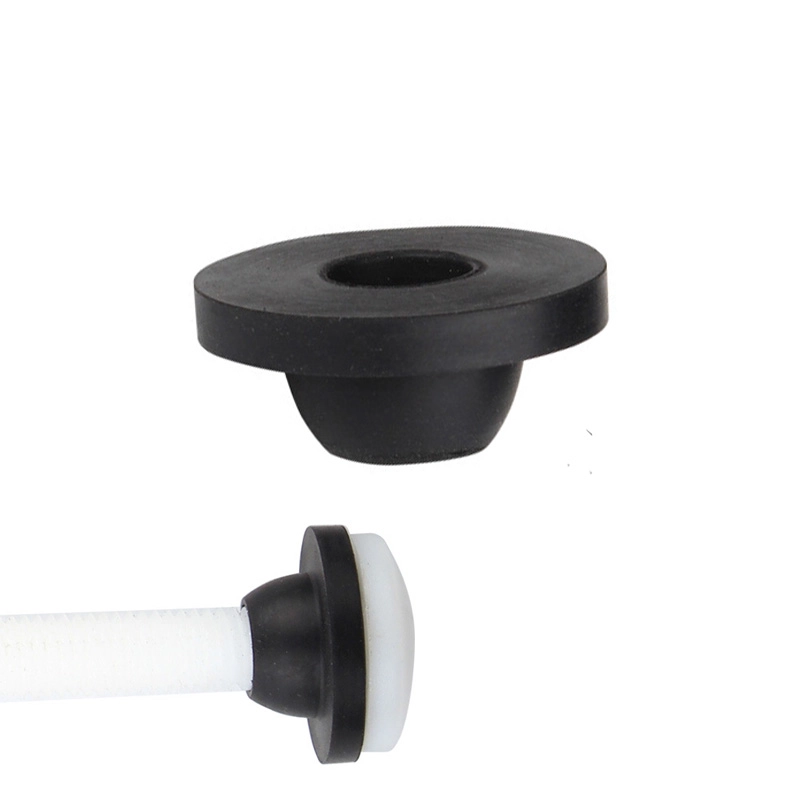 Conical Rubber Washers for Toilet Bolts Factory Wholesale