

Toilet Pan Connector Rubber Seal Replacement (Complete Guide for Leak Prevention)
A leaking toilet is one of the most common plumbing issues in both residential and commercial bathrooms. In many cases, the problem is not the toilet itself but a worn or damaged toilet pan connector rubber seal. This small but essential component plays a crucial role in preventing water leaks and blocking unpleasant sewer odors.
Whether you are a plumber, toilet manufacturer, distributor, or facility manager, understanding how to replace a toilet pan connector rubber seal can help reduce maintenance costs and improve product performance. In this guide, we’ll walk you through everything you need to know about toilet pan connector rubber seal replacement, including signs of failure, replacement steps, and how to choose the best seal for long-term reliability.
1. What Is a Toilet Pan Connector Rubber Seal?
A toilet pan connector rubber seal is a flexible rubber gasket installed between the toilet pan outlet and the waste pipe. Its main function is to create a watertight and airtight connection that prevents leaks and sewer gases from escaping.
This seal is typically used in:
Floor outlet toilets
Back-to-wall toilets
Wall outlet toilets
Commercial toilet installations
Types of Toilet Pan Connector Rubber Seals
There are several common types available:
Straight Pan Connector Rubber Seal
Used when the toilet outlet aligns directly with the waste pipe.
Offset Pan Connector Rubber Seal
Designed for installations where alignment is slightly off.
Flexible Pan Connector Rubber Seal
Ideal for installations requiring flexibility and easier installation.
Universal Toilet Connector Rubber Seal
Fits multiple pipe sizes and toilet models.
Choosing the right type ensures proper installation and long-lasting performance.
2. Signs You Need a Toilet Pan Connector Rubber Seal Replacement
Knowing when to replace the seal can prevent costly water damage. Common warning signs include:
Water Leaking Around the Toilet Base
Water pooling around the toilet base often indicates a worn or damaged rubber seal.
Unpleasant Sewer Odors
If you notice bad smells in the bathroom, the rubber seal may no longer provide an airtight connection.
Toilet Movement or Instability
A loose toilet can damage the rubber seal over time, leading to leaks.
Visible Wear and Tear
Cracks, hardening, or deformation indicate the seal needs replacement.
Poor Flushing Performance
Slow or incomplete flushing may indicate an improperly sealed outlet.
3. Common Causes of Toilet Pan Connector Seal Failure
Understanding the causes helps prevent future issues.
Aging and Material Degradation
Rubber seals naturally degrade over time. Exposure to moisture, temperature changes, and chemicals can cause:
Hardening
Cracking
Loss of elasticity
Typically, toilet rubber seals last between 3 to 8 years depending on usage and material quality.
Improper Installation
Incorrect installation is another common cause:
Misalignment
Incorrect size selection
Uneven tightening
These issues can cause early seal failure.
Chemical Damage
Strong cleaning chemicals can damage rubber materials. This is especially common in:
Hotels
Hospitals
Commercial buildings
Harsh cleaners accelerate rubber deterioration.
Frequent Usage in Commercial Environments
High-traffic environments such as airports, malls, and office buildings increase wear and tear.
4. Tools and Materials Needed for Replacement
Before starting, prepare the following tools:
New toilet pan connector rubber seal
Adjustable wrench
Screwdriver
Silicone grease or lubricant
Cleaning cloth
Bucket or towels
Gloves (optional but recommended)
Having the right tools makes replacement faster and easier.
5. Step-by-Step Toilet Pan Connector Rubber Seal Replacement
Step 1: Turn Off the Water Supply
Locate the shut-off valve and turn it off. Flush the toilet to empty the tank and bowl.
Step 2: Disconnect the Water Supply
Remove the water supply hose carefully. Keep a towel ready to catch any remaining water.
Step 3: Remove the Toilet Pan
Remove mounting bolts
Gently rock the toilet
Carefully lift and place aside
Make sure to lift the toilet safely to avoid damage.
Step 4: Remove the Old Rubber Seal
Remove the old seal from the connector
Inspect for cracks or deformation
Clean the pipe and connector area thoroughly
Cleaning ensures a proper seal.
Step 5: Install the New Rubber Seal
Apply silicone lubricant
Position the new rubber seal
Ensure proper alignment
Avoid twisting or bending the seal.
Step 6: Reinstall the Toilet
Carefully reposition the toilet
Tighten bolts evenly
Reconnect water supply
Make sure the toilet sits evenly on the floor.
Step 7: Test for Leaks
Turn the water supply back on and flush several times.
Check for:
Water leaks
Toilet stability
Proper flushing
If everything looks good, the installation is complete.
6. How to Choose the Right Toilet Pan Connector Rubber Seal
Material Options
Choosing the right material improves durability.
Common materials include:
EPDM Rubber
Excellent durability
Good chemical resistance
Cost-effective
Silicone Rubber
High temperature resistance
Long lifespan
Premium option
NBR Rubber
Good oil resistance
Strong sealing performance
7. Common Mistakes to Avoid
Avoid these common errors:
Using incorrect seal size
Over-tightening bolts
Skipping cleaning steps
Not checking alignment
Using low-quality rubber seals
These mistakes often lead to early seal failure.
8. Professional Tips for Long-Lasting Performance
To extend seal life:
Use high-quality rubber seals
Apply silicone lubricant
Inspect regularly
Replace aging seals proactively
Avoid harsh cleaning chemicals
These simple steps improve long-term reliability.
9. Why OEM Toilet Pan Connector Rubber Seals Matter for Your Business
For toilet manufacturers and distributors, OEM seals provide:
Custom sizes
Custom materials
Branding support
Bulk pricing
Consistent quality
OEM solutions help businesses improve product competitiveness.
10. Why Choose ZXLSEAL as Your Toilet Seal Manufacturer
ZXLSEAL specializes in manufacturing high-quality toilet rubber seals for global B2B customers.
Our Advantages
OEM & ODM customization
High-quality rubber materials
Competitive factory pricing
Fast production lead time
Global shipping support
Strict quality control
We supply:
Toilet tank seals
Urinal seals
Toilet pan connector seals
11. Conclusion
Replacing a toilet pan connector rubber seal is a simple yet essential maintenance task. A high-quality seal prevents leaks, eliminates odors, and ensures long-lasting toilet performance.
Whether you're a plumber, distributor, or toilet manufacturer, choosing reliable rubber seals is critical for product quality and customer satisfaction.
ZXLSEAL provides professional OEM toilet pan connector rubber seals designed for durability, performance, and global B2B supply.
Contact ZXLSEAL today to get custom solutions and bulk pricing for your business.
FAQ
How often should toilet pan connector rubber seals be replaced?
Typically every 3–8 years depending on usage and material quality.
Can I replace a toilet pan connector seal without removing the toilet?
In most cases, removing the toilet is necessary for proper replacement.
What is the best material for toilet pan connector rubber seals?
EPDM and silicone rubber are the most durable options.
What size toilet pan connector seal do I need?
Common sizes include 90mm, 100mm, and 110mm. Always measure before replacing.
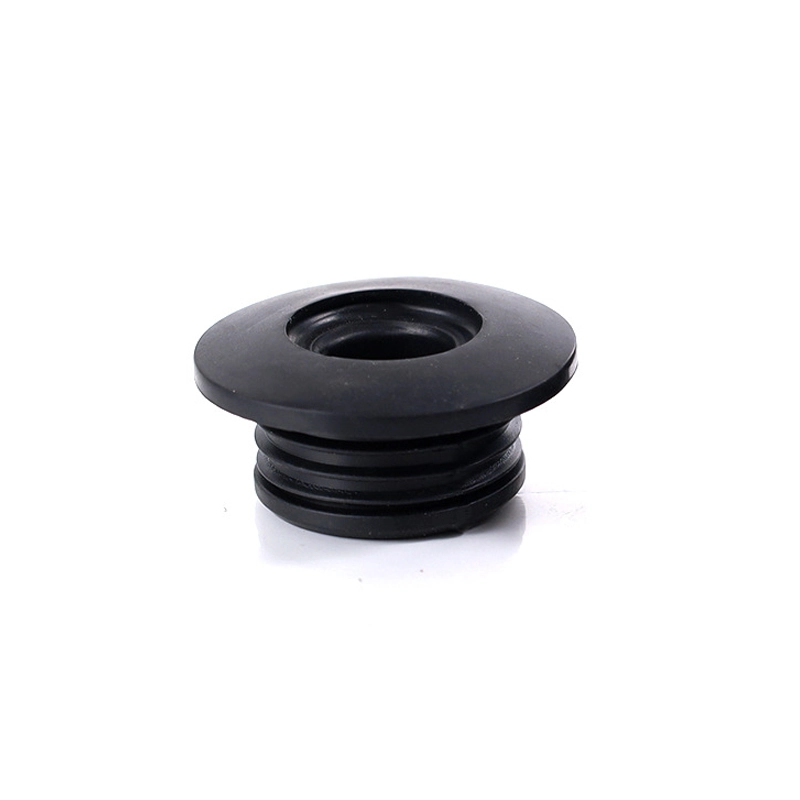 Urinal Sensor Inlet Seal Gasket Factory Replacement
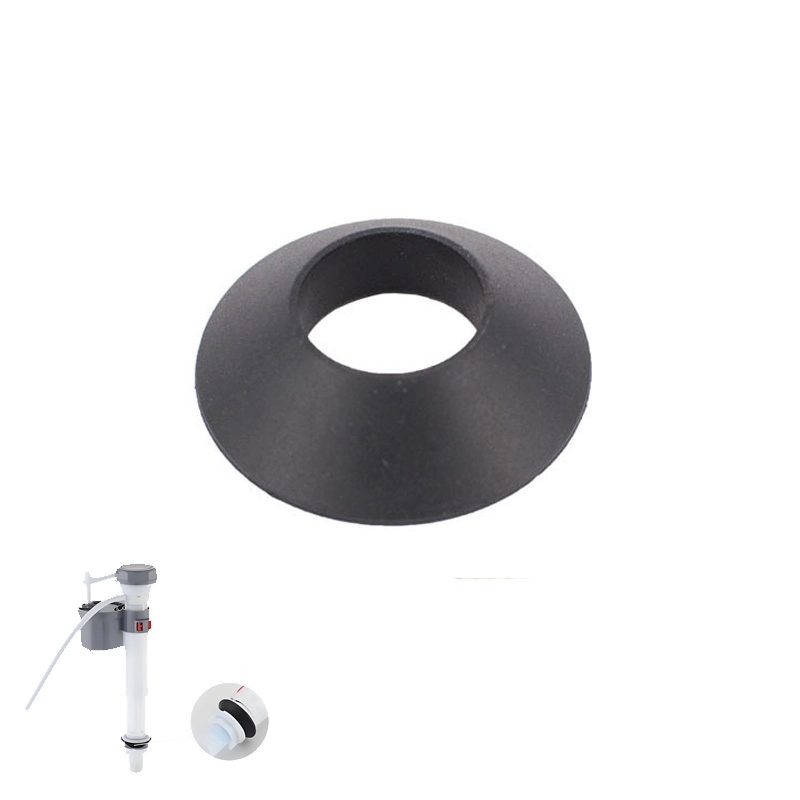 Toilet Tank Fill Valve Conical Seal Factory Replacement
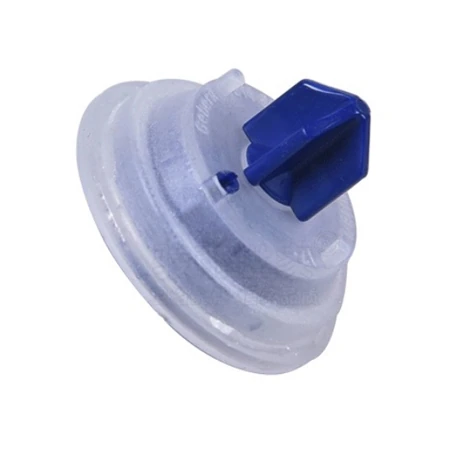 Wholesale Toilet Cistern Inlet Valve Diaphragm Washers
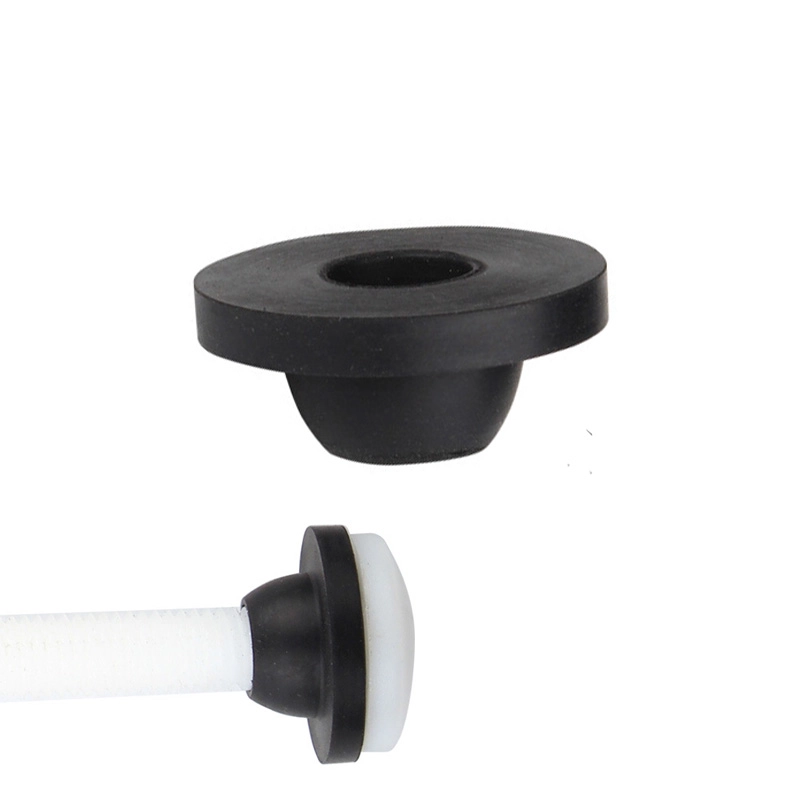 Conical Rubber Washers for Toilet Bolts Factory Wholesale