

Signs You Need to Replace Flange Seal (Toilet Flange Seal Replacement Guide)
Toilet leaks, unpleasant odors, and water damage often start with a small but critical component — the toilet flange seal. Although it’s hidden beneath the toilet, the flange seal plays a vital role in keeping your bathroom clean, leak-free, and functioning properly.
If you're noticing unusual signs around your toilet, it may be time to replace the flange seal before minor issues turn into costly repairs.
In this guide, we'll walk you through the most common signs you need to replace a flange seal, why it matters, and how to choose the right replacement — especially for manufacturers, distributors, and plumbing professionals.
What Is a Toilet Flange Seal?
A toilet flange seal sits between the toilet base and the floor flange, creating a watertight and airtight seal. This prevents wastewater from leaking and stops sewer gases from entering your bathroom.
Common types of flange seals include:
Wax ring seals
Rubber flange seals
Foam flange seals
Wax-free flange seals
Extra-thick flange seals
Each type offers different advantages depending on installation conditions, toilet design, and durability requirements.
For OEM manufacturers and distributors, selecting high-quality flange seals is critical to reduce warranty issues and improve product reliability.
7 Signs You Need to Replace Flange Seal
Here are the most common warning signs that your flange seal is failing.
1. Water Leaking Around the Base of the Toilet
This is the most obvious and common sign.
If you notice:
Water pooling around the toilet base
Damp flooring after flushing
Water stains around the toilet
Your flange seal may be worn, cracked, or compressed.
Over time, wax seals can deform, while rubber seals may harden or lose elasticity. Once the seal fails, water begins to leak slowly with each flush.
Ignoring this problem can lead to:
Mold growth
Floor damage
Subfloor rot
Expensive repairs
If water appears around your toilet, it's best to inspect and replace the flange seal as soon as possible.
2. Bad Odor Coming from the Toilet Base
Another strong indicator is sewer smell in your bathroom.
A properly installed flange seal blocks sewer gases. When the seal fails, unpleasant odors escape through the gap between the toilet and the flange.
Common smell signs include:
Persistent bathroom odor
Smell stronger after flushing
Odor near toilet base only
This is especially common in:
Old wax seals
Poor installation
Low-quality sealing materials
Replacing the flange seal typically resolves this issue immediately.
3. Toilet Feels Loose or Wobbly
A stable toilet should not move.
If your toilet:
Rocks slightly when sitting
Moves side-to-side
Feels unstable
This movement can damage the flange seal over time.
Once the seal breaks, leaks and odors follow.
Common causes include:
Uneven floor
Loose mounting bolts
Worn flange seal
Improper installation
If you notice movement, it's best to remove the toilet and inspect the flange seal.
4. Water Damage Around the Toilet Area
Look for subtle signs of water damage such as:
Warped flooring
Discolored tiles
Soft floor around toilet
Mold or mildew buildup
These signs often indicate a slow leak caused by a failing flange seal.
Slow leaks are particularly dangerous because they can go unnoticed for months or even years.
For commercial buildings, hotels, and large residential projects, regular inspection of flange seals helps prevent large-scale damage.
5. Frequent Toilet Clogs or Poor Flush Performance
While not always obvious, a damaged flange seal can affect flush performance.
If the toilet is not properly sealed:
Air pressure may be affected
Flush power may decrease
Waste may not clear efficiently
This is especially common in:
Low-flow toilets
RV toilets
Commercial toilets
Replacing the flange seal can improve flushing efficiency and restore normal performance.
6. Old or Aging Toilet Installation
Even if there are no visible problems, age alone can be a reason to replace the flange seal.
Typical lifespan:
Wax seals: 5–10 years
Rubber seals: 8–15 years
Foam seals: 5–8 years
If your toilet has not been removed in years, the seal may already be deteriorating.
Professional plumbers often recommend replacing the flange seal whenever:
Installing a new toilet
Remodeling bathroom
Replacing flooring
Moving toilet position
This prevents future issues and ensures long-term reliability.
7. After Toilet Removal or Reinstallation
This is a very important rule:
Never reuse an old flange seal.
Once compressed, most flange seals cannot form a proper seal again.
You should always replace the flange seal if:
You removed the toilet
You replaced the flooring
You repaired the flange
You moved the toilet
Using a new flange seal ensures leak-free installation.
How to Choose the Right Replacement Flange Seal
When selecting a replacement, consider the following:
Material
Popular materials include:
Rubber (Durable & flexible)
Wax (Traditional & affordable)
Foam (Easy installation)
Silicone (Long-lasting & reusable)
For OEM manufacturers and distributors, rubber and silicone seals are increasingly popular due to longer lifespan.
Thickness
Choose thicker seals if:
Floor height changed
Flange sits below floor level
Uneven flooring
Extra-thick flange seals help prevent installation issues.
Size Compatibility
Standard sizes include:
3-inch flange seals
4-inch flange seals
Universal flange seals
Make sure to match your toilet outlet size.
Why High-Quality Flange Seals Matter
For manufacturers and distributors, low-quality flange seals can lead to:
Customer complaints
Product returns
Warranty costs
Brand reputation damage
High-quality flange seals provide:
Better durability
Leak-free performance
Easy installation
Long service life
At ZXLSEAL, we specialize in:
OEM flange seal manufacturing
Custom rubber toilet seals
Flush valve & fill valve seals
Urinal and cistern seals
Our seals are designed for global toilet manufacturers, distributors, and plumbing brands.
When Should You Replace Flange Seal Immediately?
Replace immediately if you notice:
Water leakage
Sewer odor
Toilet movement
Floor damage
Old installation
Early replacement saves time, money, and prevents major damage.
Conclusion
A failing flange seal may seem like a small issue, but it can lead to serious plumbing problems if ignored. Recognizing the signs early — like leaks, odors, or toilet movement — helps prevent costly repairs and maintains bathroom hygiene.
Whether you're a homeowner, plumber, or toilet manufacturer, using high-quality flange seals is essential for long-lasting performance.
If you're looking for reliable OEM flange seal solutions, ZXLSEAL offers professional manufacturing, customization, and global supply.
Contact us today to learn more about our toilet sealing solutions.
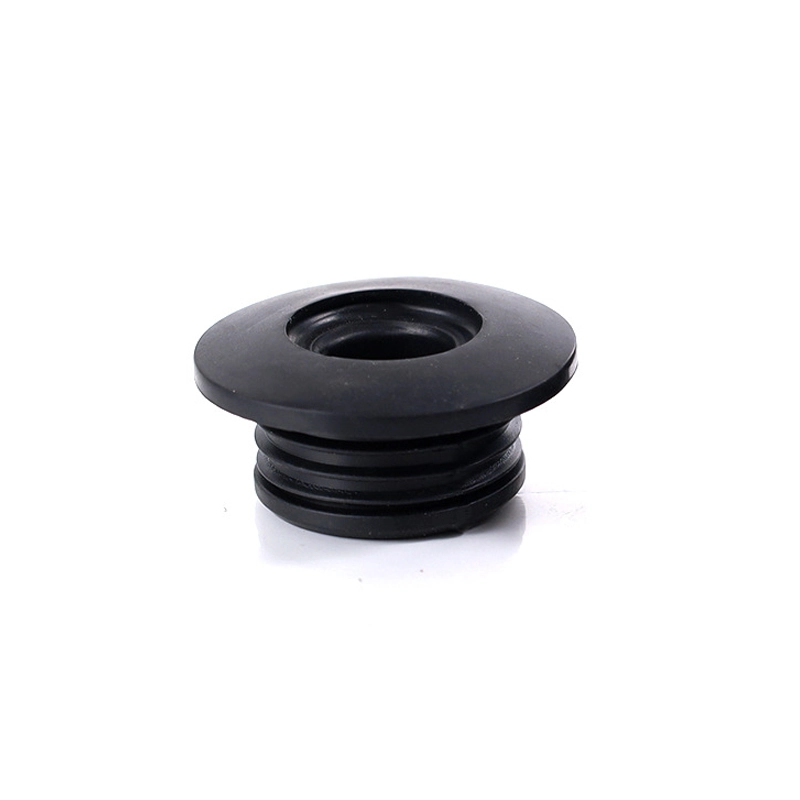 Urinal Sensor Inlet Seal Gasket Factory Replacement
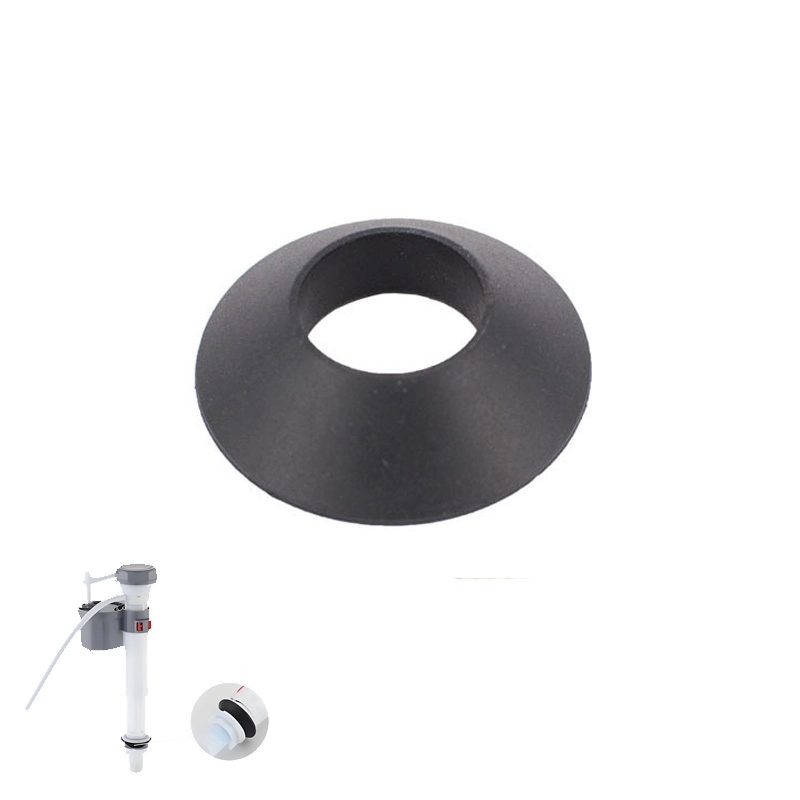 Toilet Tank Fill Valve Conical Seal Factory Replacement
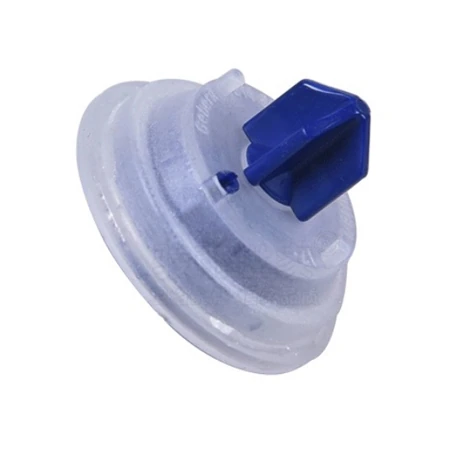 Wholesale Toilet Cistern Inlet Valve Diaphragm Washers
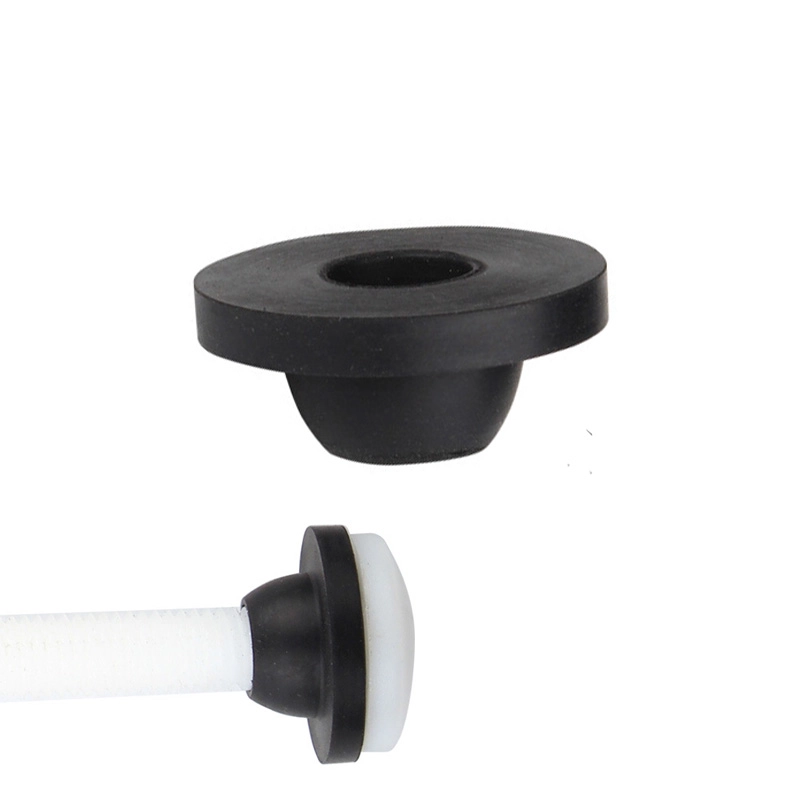 Conical Rubber Washers for Toilet Bolts Factory Wholesale