

Toilet Tank Seal Leaks: How to Identify and Fix Toilet Tank Seal Problems
Toilet tank seal leaks are one of the most common issues in residential, commercial, and industrial restrooms. A small leak inside the toilet tank can waste hundreds of gallons of water, increase utility costs, and even damage surrounding bathroom fixtures over time. For toilet manufacturers, plumbing distributors, and facility maintenance professionals, understanding how to identify and fix toilet tank seal leaks is essential.
In this guide, we’ll explain the common causes of toilet tank seal leaks, how to identify them, and the best solutions — especially for OEM buyers and B2B customers looking for reliable toilet seal manufacturers.
Why Toilet Tank Seal Leaks Matter
A leaking toilet tank seal may seem minor, but it can lead to several costly problems:
Continuous water running
Increased water bills
Weak flushing performance
Mold or moisture buildup
Premature valve component wear
Customer complaints and maintenance costs
For toilet manufacturers and distributors, poor-quality seals can also damage brand reputation. That’s why choosing high-quality toilet tank seals is critical for long-term performance.
Common Types of Toilet Tank Seal Leaks
There are several types of toilet tank seals that commonly cause leaks:
1. Flush Valve Seal Leak
The flush valve seal sits at the bottom of the tank and controls water flow during flushing. Over time, this seal may:
Harden
Crack
Deform
Accumulate mineral deposits
Signs of a flush valve seal leak:
Toilet runs intermittently
Water slowly drains from tank
Weak flush performance
Phantom flushing (toilet refills automatically)
This is one of the most common toilet tank seal failures.
2. Fill Valve Seal Leak
The fill valve seal controls water entering the tank. When this seal fails, you may notice:
Slow tank refill
Continuous water flow
Water spraying inside tank
Noise during filling
Fill valve seals wear out due to:
Hard water deposits
Rubber aging
Pressure fluctuations
Poor material quality
Replacing the fill valve seal is often a quick and cost-effective solution.
3. Tank-to-Bowl Gasket Leak
The tank-to-bowl gasket sits between the toilet tank and bowl. When this seal fails, you may notice:
Water leaking outside the toilet
Water pooling around toilet base
Loose tank movement
Rusted bolts or hardware
This type of leak is more serious and should be addressed quickly to avoid floor damage.
4. Overflow Tube Seal Leak
The overflow tube seal prevents water from leaking around the overflow assembly. If damaged:
Water leaks into bowl constantly
Tank never fully fills
Continuous refill cycle
This issue often occurs in older toilets or low-quality seal materials.
How to Identify a Toilet Tank Seal Leak
Identifying toilet tank seal leaks is simple with these steps:
Step 1: Listen for Running Water
If you hear water running when the toilet isn’t in use, there is likely a seal leak.
Step 2: Perform a Dye Test
Add a few drops of food coloring into the tank. Wait 10–15 minutes.
If color appears in the bowl without flushing, the flush valve seal is leaking.
This is one of the easiest diagnostic methods.
Step 3: Check for External Water
Inspect:
Tank bottom
Tank bolts
Tank-to-bowl connection
Floor around toilet
External water indicates gasket or hardware seal failure.
Step 4: Inspect Seal Condition
Turn off water supply and remove tank lid. Look for:
Cracked rubber
Deformed seals
Hard or brittle material
Mineral buildup
If you notice any of these signs, replacement is recommended.
How to Fix Toilet Tank Seal Leaks
Fixing toilet tank seal leaks usually involves replacing worn seals. Follow these steps:
Step 1: Turn Off Water Supply
Shut off the water valve behind the toilet.
Flush to empty the tank.
Step 2: Remove Old Seal
Depending on the seal type:
Remove flush valve seal
Remove fill valve seal
Remove tank-to-bowl gasket
Carefully inspect surrounding components.
Step 3: Clean Contact Surfaces
Remove:
Mineral buildup
Debris
Old rubber residue
This ensures proper sealing after replacement.
Step 4: Install New High-Quality Seal
Install a new seal made from:
EPDM rubber
Silicone
NBR rubber
High-quality materials extend service life and reduce future leaks.
Step 5: Reassemble and Test
Turn on water supply and check for:
External leaks
Continuous running
Proper flush performance
If no issues appear, repair is complete.
Best Materials for Toilet Tank Seals
For manufacturers and OEM buyers, seal material is crucial. The most commonly used materials include:
EPDM Rubber
Excellent water resistance
Long service life
Cost-effective
Widely used in toilet tank seals
Silicone Rubber
High temperature resistance
Flexible and durable
Ideal for premium toilet products
NBR Rubber
Good sealing performance
Oil resistance
Suitable for industrial applications
Choosing the right material depends on product positioning and target market.
How to Prevent Toilet Tank Seal Leaks
Preventive maintenance helps reduce leaks:
Use high-quality seals
Avoid low-cost inferior rubber
Perform regular inspections
Replace seals every 3–5 years
Use OEM-quality components
For toilet manufacturers, working with a professional toilet seal manufacturer ensures consistent quality.
Choosing a Reliable Toilet Tank Seal Manufacturer
When sourcing toilet tank seals, look for:
OEM & ODM capability
Custom mold development
Multiple material options
Strict quality control
Stable production capacity
Global export experience
A reliable manufacturer helps reduce warranty claims and improve customer satisfaction.
Why Choose ZXLSEAL Toilet Tank Seals
At ZXLSEAL, we specialize in manufacturing:
Toilet flush valve seals
Toilet fill valve seals
Tank-to-bowl gaskets
Urinal seals
Custom toilet rubber seals
We provide:
OEM & ODM service
Custom sizes and materials
Fast production lead time
Stable global supply
Competitive factory pricing
Our toilet tank seals are widely used by:
Toilet manufacturers
Valve manufacturers
Plumbing distributors
Sanitary ware brands
Maintenance suppliers
Final Thoughts
Toilet tank seal leaks are common but easy to identify and fix. Whether you're a toilet manufacturer, distributor, or maintenance professional, using high-quality toilet seals is the best way to prevent leaks and ensure long-term performance.
If you're looking for reliable toilet tank seal solutions, partnering with a professional manufacturer like ZXLSEAL can help improve product quality, reduce costs, and increase customer satisfaction.
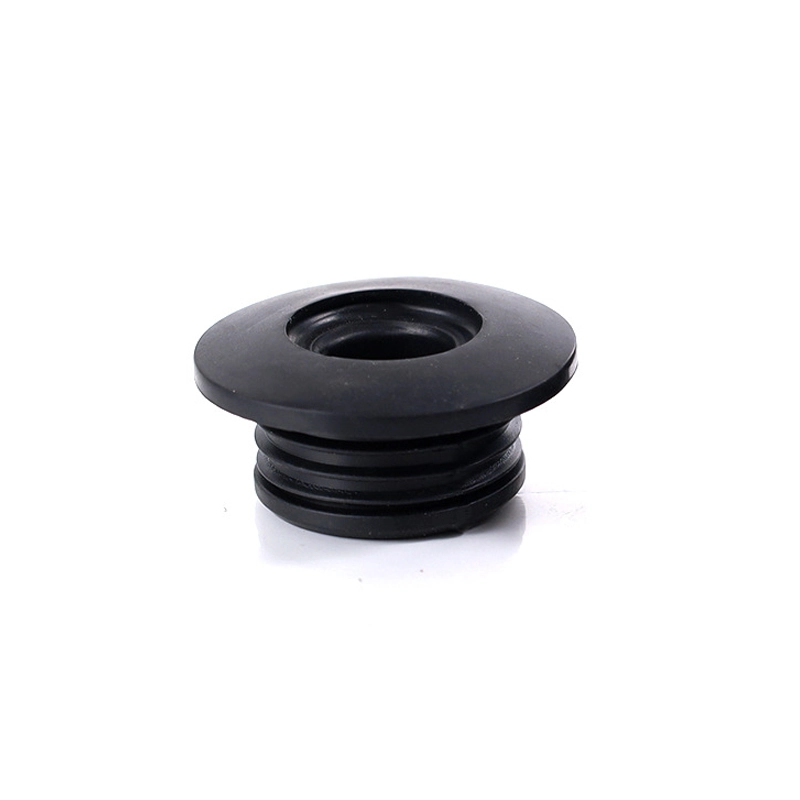 Urinal Sensor Inlet Seal Gasket Factory Replacement
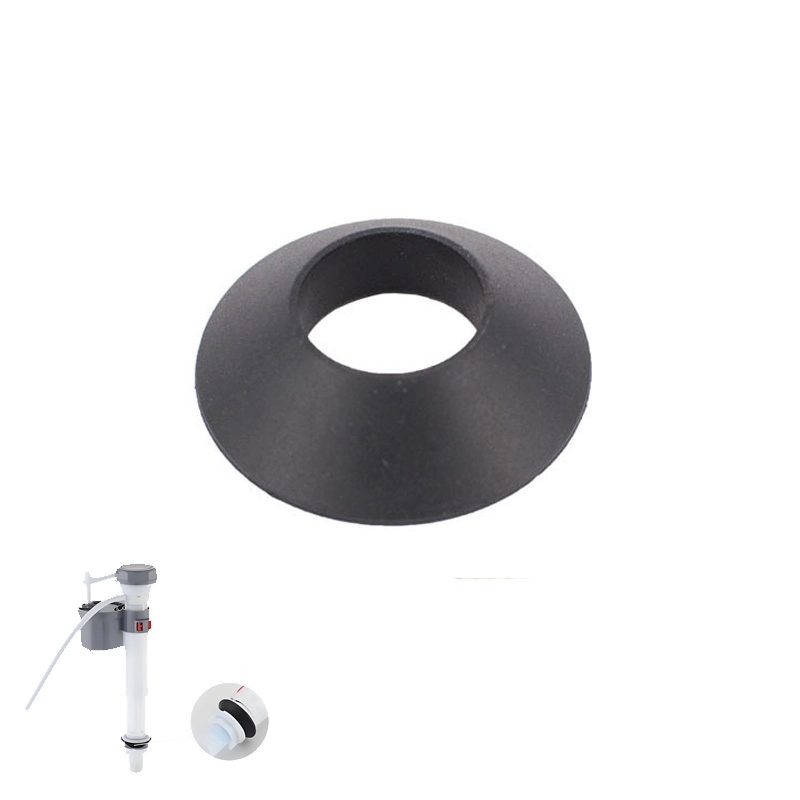 Toilet Tank Fill Valve Conical Seal Factory Replacement
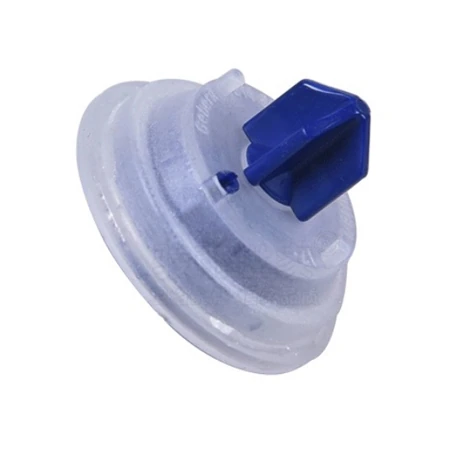 Wholesale Toilet Cistern Inlet Valve Diaphragm Washers
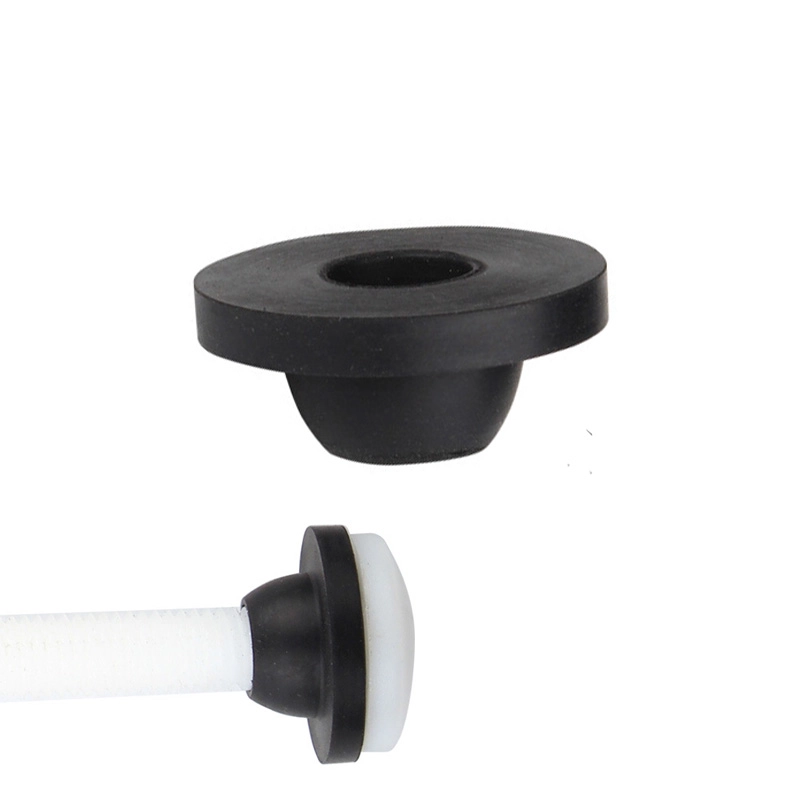 Conical Rubber Washers for Toilet Bolts Factory Wholesale