

Replacing Toilet Flush Valve Without Removing Tank (Easy Method for Professionals)
Replacing a toilet flush valve is often considered a time‑consuming task that requires removing the tank completely. However, experienced plumbers and maintenance professionals know that in many cases, it’s possible to replace a toilet flush valve without removing the tank — saving time, reducing labor costs, and minimizing installation risks.
For contractors, facility managers, and plumbing distributors, understanding this faster repair method can significantly improve service efficiency and customer satisfaction. This guide explains when this method works, how to perform it safely, and what type of flush valve seals or replacement components are best suited for the job.
Why Replace a Toilet Flush Valve Without Removing the Tank?
For professionals handling multiple installations or maintenance jobs, efficiency is critical. Removing the tank involves additional steps, including disconnecting bolts, handling fragile porcelain, and resealing components.
Replacing the flush valve without removing the tank offers several advantages:
1. Reduced Labor Time
Technicians can complete repairs faster without removing the tank, reducing service time and increasing daily job capacity.
2. Lower Risk of Tank Damage
Toilet tanks are fragile. Removing and reinstalling them increases the risk of cracking porcelain or damaging bolts and gaskets.
3. Cost Savings for Clients
Faster repairs mean lower labor costs, which is especially beneficial for property managers, hotels, and commercial facilities.
4. Ideal for Maintenance Teams
Facility maintenance teams benefit from simplified repairs that require fewer tools and less technical complexity.
When Can You Replace a Flush Valve Without Removing the Tank?
This method works best in the following situations:
The flush valve seal or flapper is worn out
The flush valve uses a clip‑in or twist‑lock design
The flush valve seat is accessible from inside the tank
No major structural damage to the flush valve assembly
However, removing the tank may still be necessary if:
The flush valve body is cracked
The mounting nut under the tank is damaged
The toilet design does not allow internal replacement
Understanding these conditions helps professionals determine the fastest and safest repair method.
Tools Required for Replacing Flush Valve Without Removing Tank
Most professionals only need a few basic tools:
Adjustable pliers
Sponge or towel
Replacement flush valve seal or flapper
Gloves (optional but recommended)
Using minimal tools makes this method ideal for field technicians and service professionals.
Step‑by‑Step Guide: Replacing Toilet Flush Valve Without Removing Tank
Step 1: Turn Off the Water Supply
Locate the shut‑off valve behind the toilet and turn it clockwise. Flush the toilet to drain most of the water from the tank.
Use a sponge or towel to remove remaining water for easier access.
Step 2: Remove the Old Flapper or Seal
Disconnect the chain from the flush lever. Then remove the worn flapper or flush valve seal.
Depending on the design, you may:
Unclip the flapper
Twist the seal off
Lift the seal from the flush valve seat
Inspect the flush valve seat for debris or mineral buildup.
Step 3: Clean the Flush Valve Seat
Cleaning the surface ensures a proper seal. Use a cloth to remove:
Mineral deposits
Debris
Old rubber residue
A clean surface prevents leaks after installation.
Step 4: Install the New Flush Valve Seal
Install the new seal or flapper according to the manufacturer’s instructions. Ensure:
Proper alignment
Secure attachment
Smooth movement of the chain
Avoid overly tight chains, which may cause continuous running.
Step 5: Turn Water Back On and Test
Turn the water supply back on and allow the tank to refill. Perform several test flushes to confirm:
No leaks
Proper sealing
Smooth flushing performance
If everything functions properly, the repair is complete.
Common Mistakes to Avoid
Even experienced professionals should avoid these common mistakes:
Using Incorrect Seal Size
Not all flush valve seals are universal. Always verify compatibility before installation.
Ignoring Mineral Buildup
Hard water buildup can prevent proper sealing and cause recurring leaks.
Over‑Tightening Components
Excessive force may damage plastic components or create alignment issues.
Choosing the Right Flush Valve Replacement Parts
For distributors and OEM buyers, selecting high‑quality replacement components is essential.
Key factors to consider:
Material Durability
Silicone seals typically last longer than standard rubber seals, especially in hard water environments.
Compatibility
Ensure the flush valve seal is compatible with major brands such as:
American Standard
Kohler
TOTO
Mansfield
Performance Reliability
High‑quality seals reduce callbacks and improve customer satisfaction.
Benefits for B2B Buyers and Distributors
Offering easy‑to‑install flush valve seals provides several business advantages:
Reduced installation time for customers
Lower maintenance costs
Higher product satisfaction
Increased repeat orders
For wholesalers and distributors, promoting easy‑replacement components can also improve product differentiation.
Why High‑Quality Flush Valve Seals Matter
A high‑quality flush valve seal helps:
Prevent constant running toilets
Improve water efficiency
Extend toilet lifespan
Reduce maintenance frequency
For commercial buildings and residential developments, this translates into long‑term cost savings.
Conclusion
Replacing a toilet flush valve without removing the tank is a practical and efficient solution for plumbers, contractors, and maintenance professionals. By using compatible, high‑quality flush valve seals and following proper installation steps, professionals can complete repairs faster while reducing risk and cost.
For B2B buyers, offering reliable flush valve replacement components designed for easy installation can improve customer satisfaction and strengthen market competitiveness.
If you're sourcing flush valve seals or OEM replacement components, choosing durable, compatible, and easy‑to‑install solutions will help your customers complete repairs quickly and efficiently.
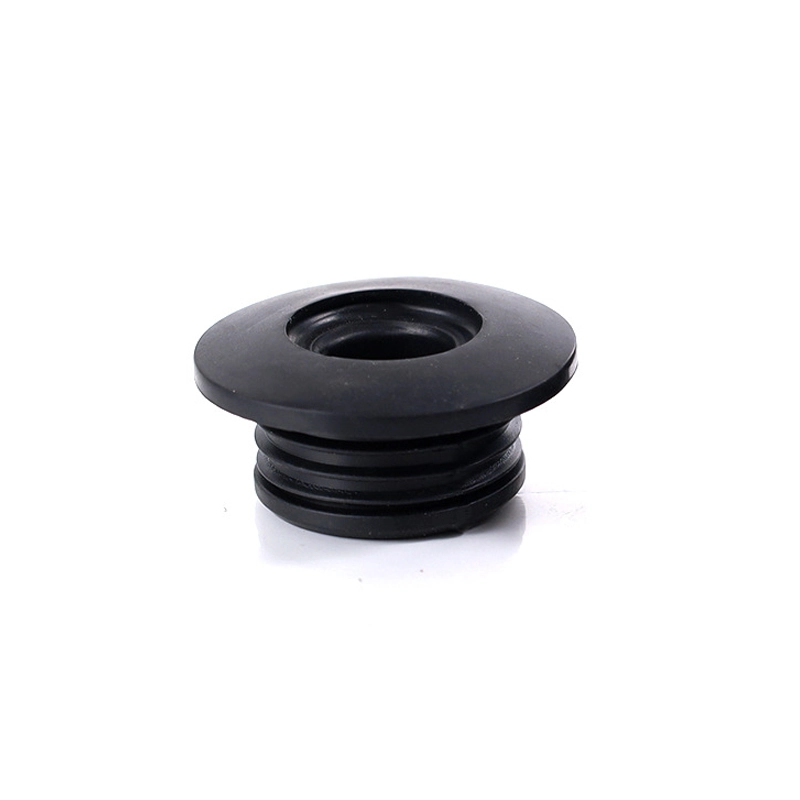 Urinal Sensor Inlet Seal Gasket Factory Replacement
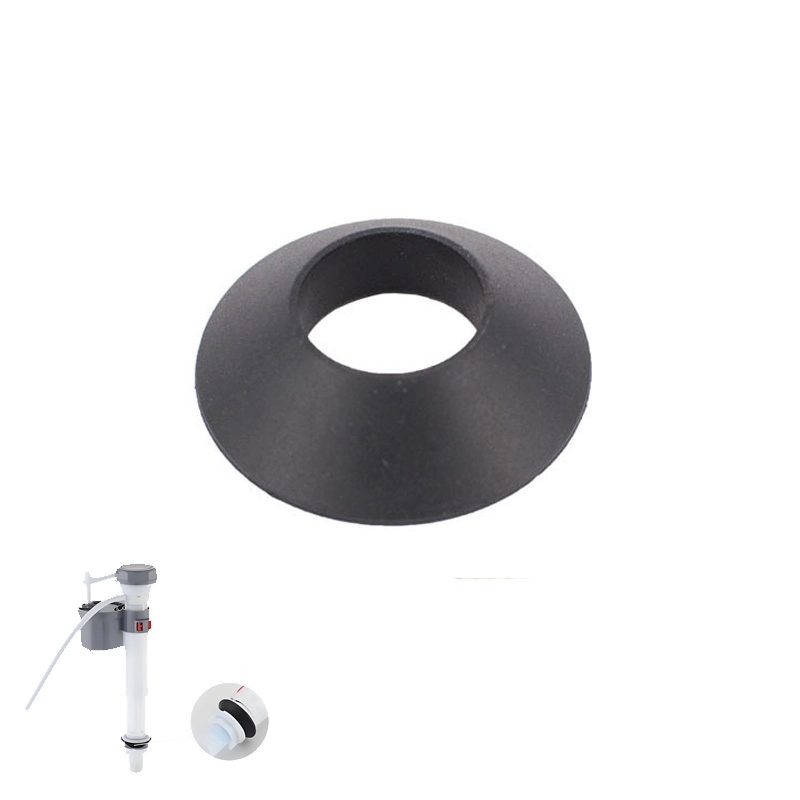 Toilet Tank Fill Valve Conical Seal Factory Replacement
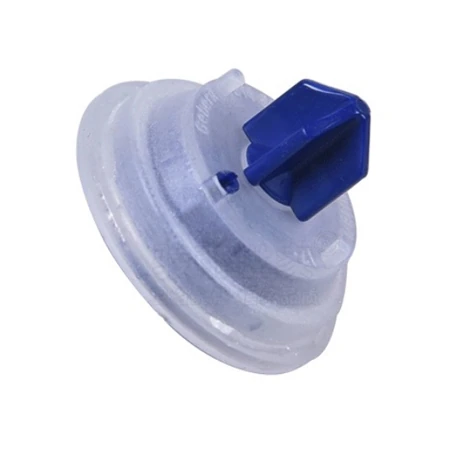 Wholesale Toilet Cistern Inlet Valve Diaphragm Washers
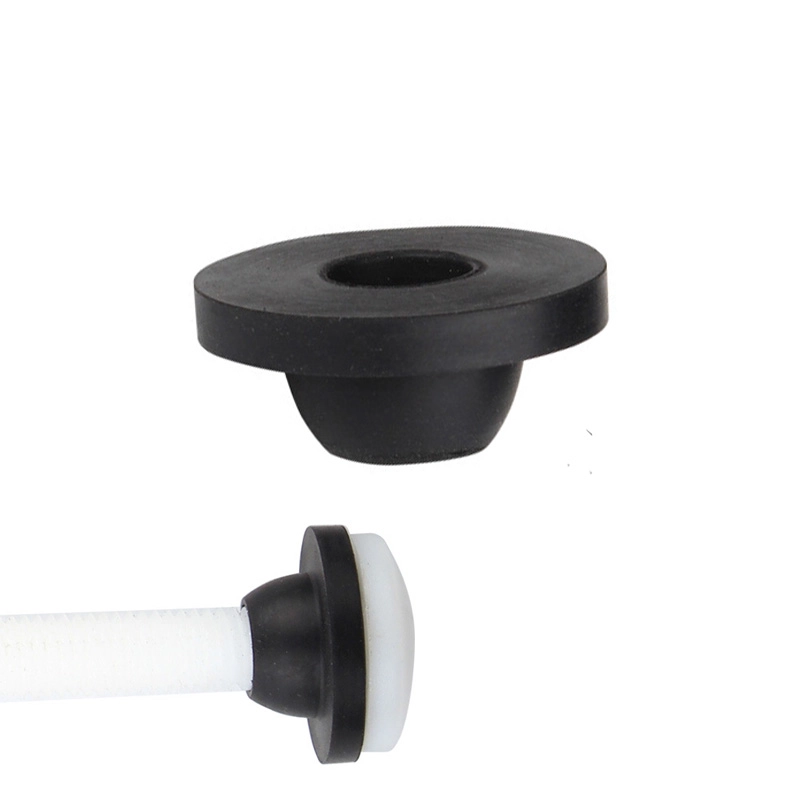 Conical Rubber Washers for Toilet Bolts Factory Wholesale