

Toilet Seal Replacement Guide – Easy DIY or Professional Help
For plumbing suppliers, distributors, and facility managers, understanding toilet seal replacement is essential to prevent leaks, costly repairs, and customer complaints. This comprehensive guide explains everything from identifying worn toilet seals to performing replacements yourself or coordinating professional help.
Why Toilet Seal Replacement Matters
A toilet seal, often a wax ring or rubber gasket, connects the toilet to the floor flange and prevents water leaks and sewer odors. Over time, seals degrade due to wear, movement, or improper installation. Replacing a faulty seal not only restores proper function but also avoids water damage and reduces long-term maintenance costs—a critical consideration for B2B buyers managing multiple properties or clients.
Signs You Need a Toilet Seal Replacement
Knowing when to replace a toilet seal can save time and money. Look for these warning signs:
Water Leaks: Puddles or dampness around the toilet base.
Foul Odors: Persistent sewer smells indicate a compromised seal.
Loose Toilet Base: Wobbling or rocking toilets often signal a broken seal.
Frequent Clogs or Backups: Poor sealing can affect flushing efficiency.
Early detection ensures facility managers and commercial plumbers maintain operational efficiency and avoid client complaints.
Tools and Materials Needed for Toilet Seal Replacement
Prepare the following items for a smooth replacement:
Adjustable wrench or socket set
Putty knife for removing old seals
Screwdriver
Replacement toilet seal (wax ring or rubber gasket)
Rubber gloves
Cleaning cloths or sponges
Bucket for residual water
Having the right tools helps professional installers and maintenance teams perform toilet seal replacement efficiently, reducing downtime.
Step-by-Step Toilet Seal Replacement Instructions
Follow these steps for a secure and leak-free replacement:
Turn Off Water Supply: Shut the valve and flush the toilet to drain the tank.
Remove the Toilet: Unscrew floor bolts and lift the toilet carefully. Protect surfaces to prevent damage.
Remove Old Seal: Scrape off the old wax ring or gasket using a putty knife.
Clean the Flange Surface: Ensure the floor flange is free of debris for a proper seal.
Install New Toilet Seal: Center the wax ring or follow instructions for a rubber gasket. Correct placement is key.
Reposition the Toilet: Align bolt holes and lower the toilet onto the flange. Press firmly to seat the seal.
Secure the Toilet: Tighten bolts evenly. Avoid overtightening, which may crack the toilet base.
Reconnect Water Supply: Turn on water and test by flushing multiple times to check for leaks.
Following these steps minimizes errors and ensures long-lasting results, making your toilet seal replacement reliable for both commercial and residential projects.
Common Mistakes to Avoid During Toilet Seal Replacement
Even experienced professionals can make mistakes. Watch out for:
Skipping Surface Cleaning: Residual wax or debris prevents a proper seal.
Overtightening Bolts: Excess pressure may crack the toilet base.
Incorrect Seal Placement: Misaligned seals lead to leaks.
Using Wrong Seal Type: Wax rings and rubber gaskets are not always interchangeable.
Avoiding these pitfalls improves customer satisfaction and reduces service calls.
Where to Buy Toilet Seal Replacement Parts
For B2B buyers, sourcing reliable toilet seals is crucial. Look for suppliers offering:
OEM-grade wax rings and rubber gaskets
Bulk orders for distributors, plumbers, and maintenance teams
Certified quality (NSF, ISO)
Competitive pricing with fast shipping
Trusted suppliers ensure you can provide your clients or facilities with high-quality toilet seal replacement products, enhancing your reputation for reliability.
FAQ
Q1: How long does a toilet seal last?
A: Typically 10–15 years, depending on usage and water quality.
Q2: Can I replace a toilet seal myself?
A: Yes, with basic tools and careful steps, most homeowners can do it safely.
Q3: What type of toilet seal should I use?
A: Wax rings are standard, but rubber seals are easier for DIY and can be reused if needed.
Q4: How much does a DIY toilet seal replacement cost?
A: Generally $10–$30 for a new seal plus basic tools if not already owned.
Conclusion
Whether handling a DIY project or managing commercial facilities, mastering toilet seal replacement is essential. Detect issues early, follow step-by-step instructions, avoid common mistakes, and source top-quality seals to prevent leaks and maintain operational efficiency.
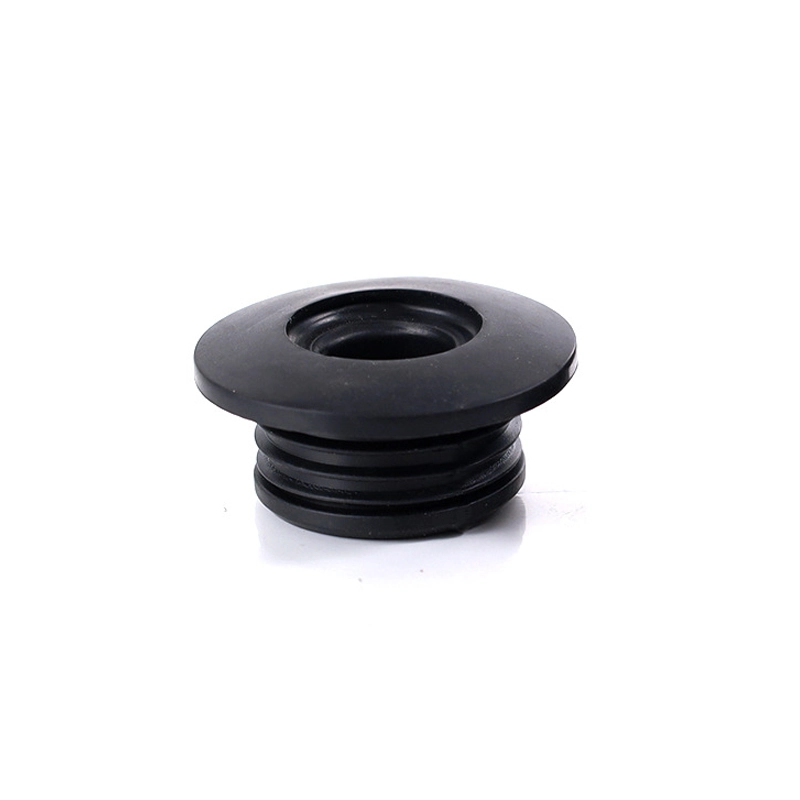 Urinal Sensor Inlet Seal Gasket Factory Replacement
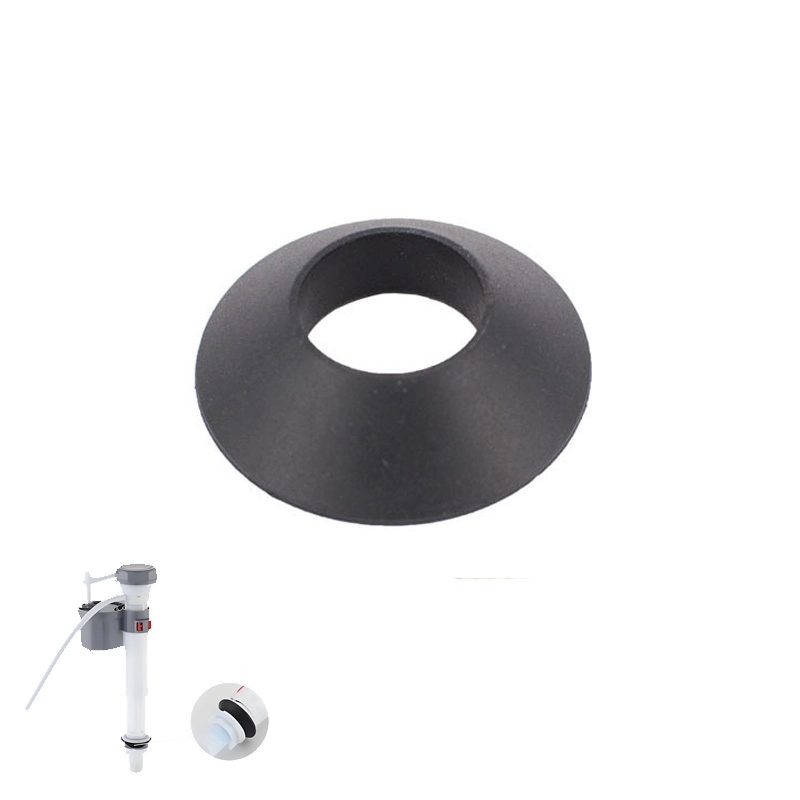 Toilet Tank Fill Valve Conical Seal Factory Replacement
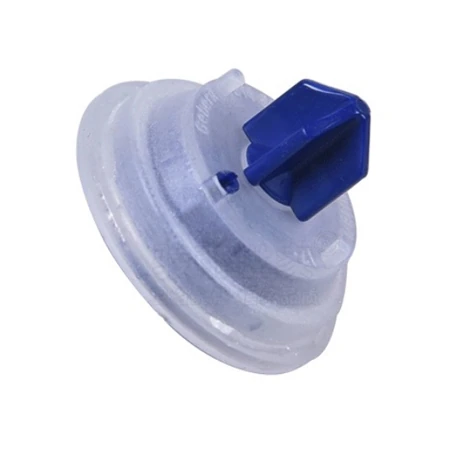 Wholesale Toilet Cistern Inlet Valve Diaphragm Washers
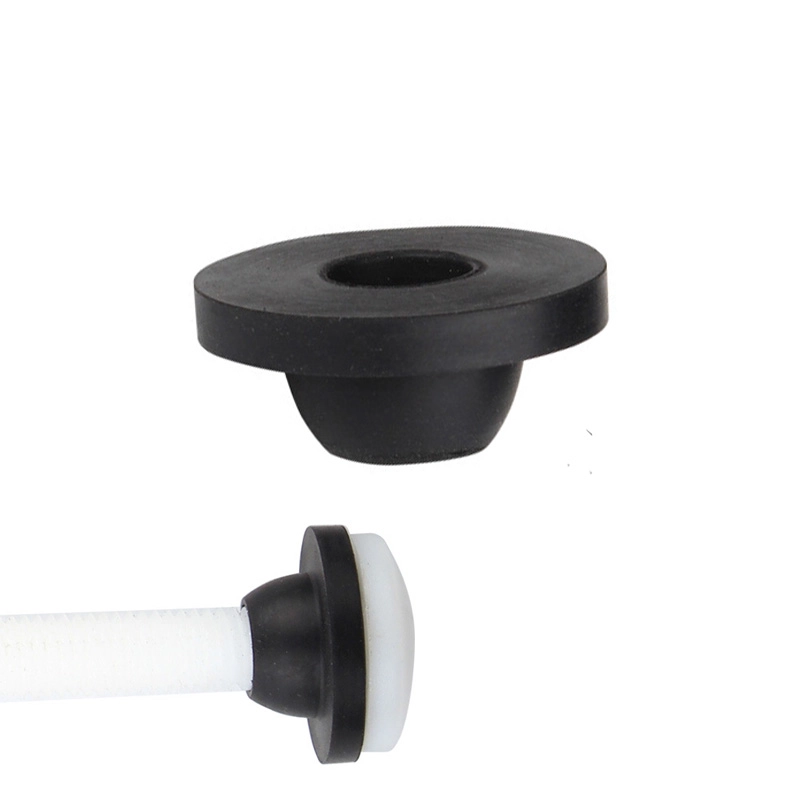 Conical Rubber Washers for Toilet Bolts Factory Wholesale