

Best Material for Toilet Seal Gasket: Complete Guide for OEM Buyers
Choosing the best material for toilet seal gasket is one of the most important decisions for toilet manufacturers, tank producers, and sanitary ware distributors. A high-quality toilet seal gasket directly affects water tightness, leak prevention, product lifespan, and customer satisfaction.
Whether you are producing toilet tank flush valves, fill valves, urinal seals, or squat toilet sealing components, selecting the right gasket material helps reduce maintenance issues and improves overall product reliability.
In this guide, we will explain the most common gasket materials used in toilet sealing systems and help you understand which one is the best for your OEM projects.
Why Material Selection Matters for Toilet Seal Gaskets
Toilet seal gaskets work in a constantly wet environment. They must handle:
Long-term water exposure
Temperature changes
Chemical cleaners
Water pressure fluctuations
Repeated compression and deformation
Hard water mineral buildup
If the wrong material is used, the gasket may crack, deform, harden, or leak quickly. This leads to customer complaints, replacement costs, and damage to your brand reputation.
That is why OEM buyers should focus on material performance, not just price.
Common Materials Used for Toilet Seal Gaskets
Several rubber and elastomer materials are widely used in the toilet sealing industry.
1. EPDM – The Most Recommended Material
EPDM (Ethylene Propylene Diene Monomer) is widely considered the best material for toilet seal gasket applications, especially for flush valve seals and fill valve seals.
Advantages of EPDM
Excellent water resistance
Strong aging resistance
Good elasticity and compression recovery
Resistant to ozone and UV exposure
Performs well in hot and cold temperatures
Suitable for long-term bathroom environments
EPDM is especially ideal for toilet tank seals because it maintains flexibility even after years of use.
For OEM manufacturers targeting North America and Europe, EPDM is often the preferred material because it meets high durability standards.
2. Silicone Rubber – Premium Performance Option
Silicone is another excellent option for high-end toilet sealing solutions.
Advantages of Silicone
Outstanding temperature resistance
Excellent flexibility
Food-grade and NSF material options available
Long service life
Superior aging resistance
Silicone is often used in premium bathroom products or special applications where higher performance is required.
However, silicone usually costs more than EPDM, so it is commonly chosen for premium OEM projects rather than standard mass production.
3. NBR – Good Oil Resistance but Limited for Toilets
NBR (Nitrile Butadiene Rubber) is known for strong oil resistance.
Advantages of NBR
Good wear resistance
Strong compression strength
Cost-effective for some industrial uses
Limitations
For standard toilet seal gasket applications, NBR is less ideal because it is not as strong as EPDM in water aging and ozone resistance.
It is better suited for industrial sealing rather than household sanitary systems.
4. Natural Rubber – Low Cost but Shorter Lifespan
Natural rubber is sometimes used in low-cost toilet sealing products.
Advantages
Low production cost
Good initial flexibility
Limitations
Poor aging resistance
Weak chemical resistance
Faster hardening and cracking
For export markets and OEM projects requiring long-term reliability, natural rubber is usually not recommended.
Which Material Is Best for Different Toilet Parts?
Different sealing parts may require different material choices.
Flush Valve Seal
Recommended material: EPDM
Flush valves experience frequent pressure changes and repeated use. EPDM offers excellent sealing and long-term durability.
Fill Valve Seal
Recommended material: EPDM or Silicone
Fill valve seals need stable elasticity and strong water resistance. EPDM is ideal for standard projects, while silicone is suitable for premium requirements.
Urinal Seal Gasket
Recommended material: EPDM
Urinal seals need resistance to cleaning chemicals and constant moisture exposure.
Squat Toilet Tank Seal
Recommended material: EPDM
For public restroom systems and heavy-use environments, EPDM provides better long-term performance.
What OEM Buyers Should Consider
When selecting the best material for toilet seal gasket production, buyers should evaluate:
Material Certification
For export markets, especially the USA and Europe, certifications such as NSF compliance can improve market acceptance.
Compression Set Performance
A good gasket should recover its original shape after compression to prevent leakage.
Hardness Range
Different valve systems require different Shore hardness levels. OEM customization is important.
Mold Precision
Even the best material fails if mold accuracy is poor. Precision tooling ensures consistent sealing performance.
Supplier Experience
A professional manufacturer with experience in toilet sealing components can help optimize both material selection and product design.
Why Many OEM Buyers Choose EPDM
For most toilet tank applications, EPDM provides the best balance of:
Performance
Cost efficiency
Long service life
Export compliance
Custom molding flexibility
This is why many toilet manufacturers, flush valve factories, and sanitary ware distributors choose EPDM toilet seal gaskets for large-volume OEM orders.
Final Thoughts
So, what is the best material for toilet seal gasket applications?
For most toilet tank flush valve seals, fill valve seals, urinal gaskets, and squat toilet sealing systems, EPDM is the best overall choice because of its durability, water resistance, and cost-performance balance.
For premium projects, silicone can provide even higher performance, while NBR and natural rubber are better suited for limited or specific applications.
If you are looking for a reliable OEM manufacturer for custom toilet seal gaskets, choosing the right material is the first step toward better product quality and stronger market competitiveness.
A professional sealing solution starts with the right material.
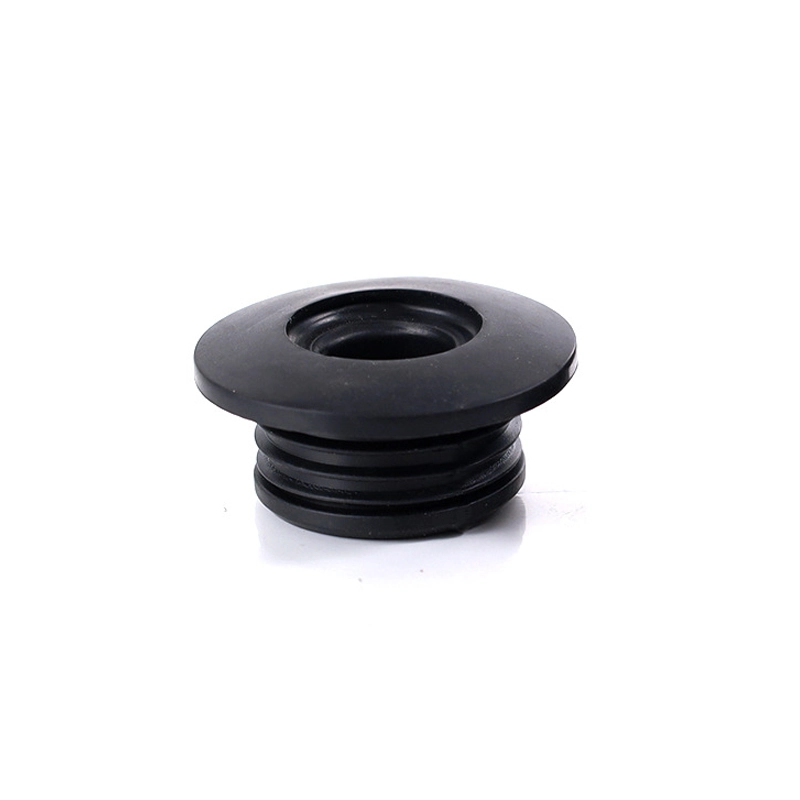 Urinal Sensor Inlet Seal Gasket Factory Replacement
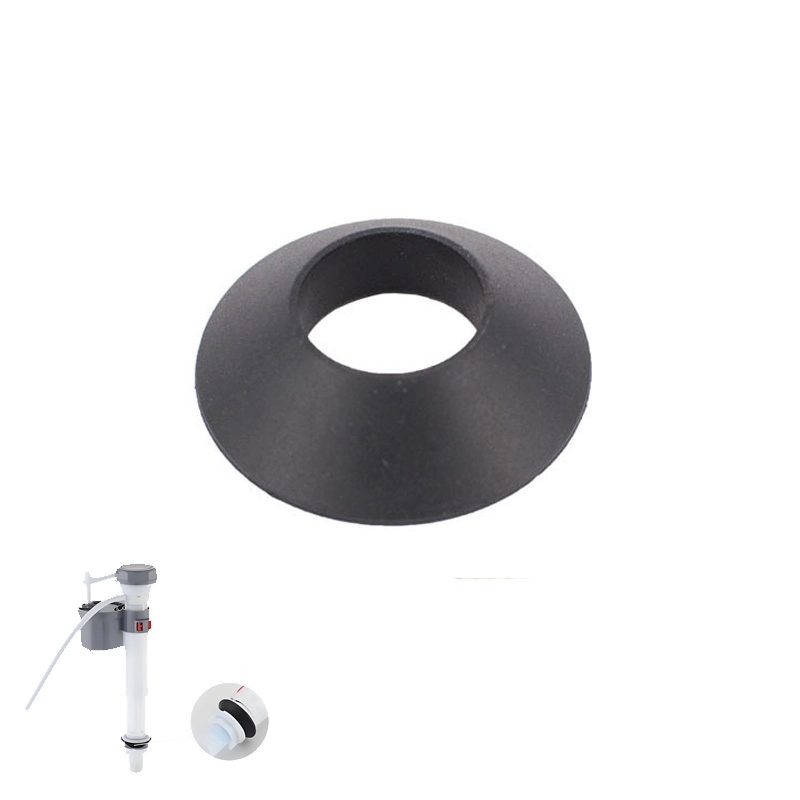 Toilet Tank Fill Valve Conical Seal Factory Replacement
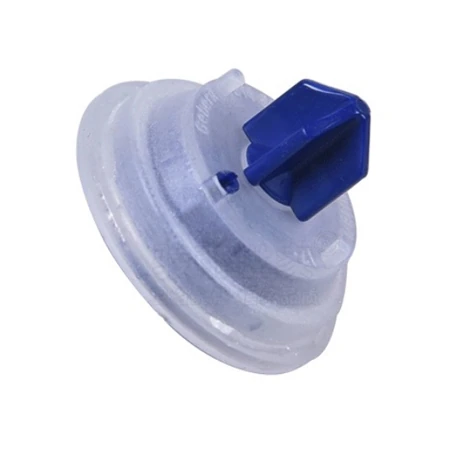 Wholesale Toilet Cistern Inlet Valve Diaphragm Washers
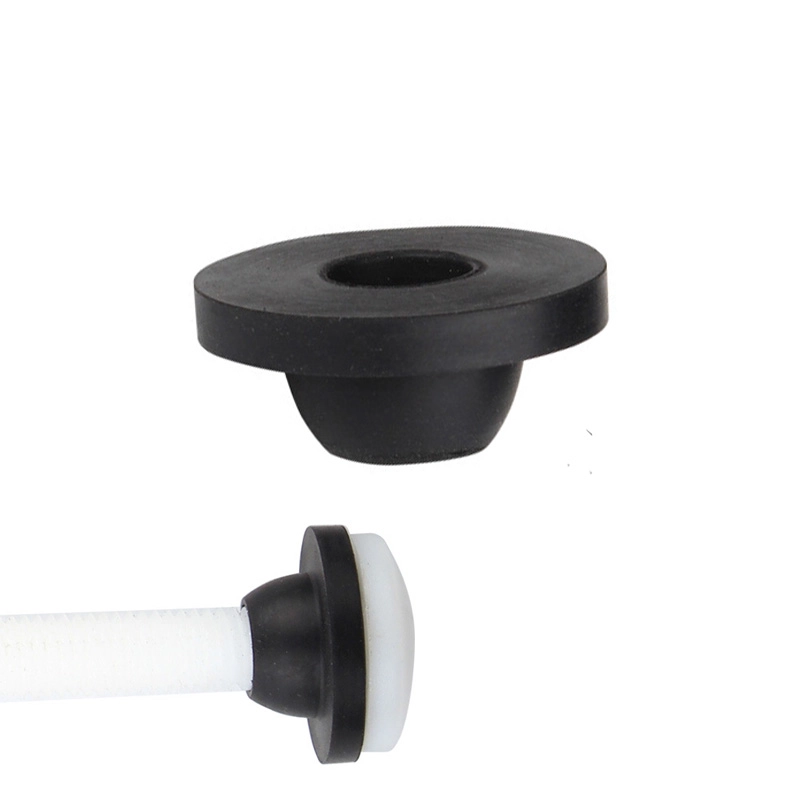 Conical Rubber Washers for Toilet Bolts Factory Wholesale