

Common Push Button Flush Valve Seal Problems and Effective Solutions for OEM Buyers
Push button toilets are widely used in residential homes, hotels, commercial buildings, and public washrooms because they offer modern design, water-saving performance, and convenient operation. However, one small component often causes major maintenance issues—the push button flush valve seal.
For toilet manufacturers, flush valve producers, sanitary ware suppliers, and plumbing distributors, understanding common flush valve seal problems is essential for improving product quality and reducing after-sales complaints.
A damaged or poor-quality flush valve seal can lead to constant water leakage, weak flushing, higher water bills, and customer dissatisfaction. In this article, we will explain the most common push button flush valve seal problems and how OEM buyers can choose the right sealing solutions.
What Is a Push Button Flush Valve Seal?
A push button flush valve seal is a critical sealing component installed inside the toilet tank flush valve assembly. Its main function is to create a watertight seal between the flush valve and the tank, preventing water from leaking continuously into the toilet bowl.
When users press the flush button, the valve opens and releases water into the bowl. After flushing, the seal closes tightly to stop water flow and maintain proper water levels.
Most flush valve seals are made from:
EPDM rubber
Silicone rubber
NBR rubber
Natural rubber
Custom OEM rubber compounds
Among these, EPDM flush valve seals are especially popular due to their excellent water resistance, anti-aging performance, and long service life.
Common Push Button Flush Valve Seal Problems
1. Constant Water Leakage into the Toilet Bowl
This is the most common flush valve seal problem.
If water keeps flowing from the tank into the bowl even when the toilet is not being used, the flush valve seal is usually the main cause.
Common reasons include:
Worn-out rubber seal
Cracked or hardened gasket
Poor sealing surface contact
Mineral deposits on the valve seat
Incorrect installation
Low-quality flush valve seal material
Even a small leak can waste a significant amount of water every month, leading to high water bills and environmental waste.
For OEM toilet brands, this problem often results in warranty claims and customer complaints.
2. Weak or Incomplete Flushing Performance
If the toilet does not flush completely or requires multiple flushes, the flush valve seal may not be opening or closing correctly.
This usually happens because:
The seal becomes swollen
The gasket shifts out of position
The push button mechanism cannot fully lift the valve
The seal sticks due to aging or poor material quality
Weak flushing directly affects user experience and often causes negative product reviews.
3. Push Button Gets Stuck After Flushing
Some users find that the flush button becomes difficult to press or remains stuck after use.
This issue may be related to:
Seal deformation
Incorrect gasket dimensions
Excessive friction inside the flush valve
Hard water scale buildup
Low-flexibility rubber materials
This problem is particularly common in high-usage commercial toilets and public restroom systems.
4. Short Service Life of the Flush Valve Seal
A high-quality toilet flush valve seal should last for years, but low-grade seals may fail within months.
Short lifespan is often caused by:
Inferior rubber raw materials
Poor heat resistance
Chlorine damage
Chemical cleaning agents
Hard water corrosion
High-frequency usage
For wholesale buyers and OEM manufacturers, product durability directly impacts long-term business reputation.
5. Continuous Tank Refilling Noise
If the toilet tank keeps making refill sounds, this usually means water is leaking slowly through the flush valve seal.
This hidden leak problem is easy to overlook, but it causes:
Increased water consumption
Higher utility costs
Faster wear of the fill valve
Reduced overall toilet efficiency
Many users notice this problem at night when surrounding noise is lower.
6. Seal Hardening, Shrinkage, or Cracking
Over time, rubber flush valve seals naturally age.
Exposure to the following conditions accelerates deterioration:
Hot water
Chlorine exposure
Strong cleaning chemicals
Hard water mineral deposits
Dry or extreme climate environments
Once the seal loses flexibility, leakage problems quickly appear.
This is why material selection is extremely important for OEM toilet flush valve seal production.
How to Identify Flush Valve Seal Failure
Early inspection can prevent bigger maintenance costs.
Common signs include:
Toilet runs continuously
Water level in the tank drops slowly
Flush becomes weak
Unexpected increase in water bills
Refill valve activates frequently
Visible cracks or damage on the seal
Rubber surface feels hard instead of flexible
For distributors and maintenance teams, regular inspection reduces service costs and improves customer satisfaction.
Best Solutions for Push Button Flush Valve Seal Problems
Choose the Correct Flush Valve Seal Size
Using the wrong gasket size is one of the biggest causes of leakage.
Always confirm:
Inner diameter
Outer diameter
Thickness
Material type
Flush valve model compatibility
Even small size differences can cause serious sealing failure.
Custom OEM sizing is often the best solution for toilet manufacturers.
Use High-Quality EPDM or Silicone Materials
Premium materials offer better performance and longer lifespan.
Recommended options include:
EPDM flush valve seals
Silicone flush valve gaskets
NSF-certified rubber materials
Anti-aging custom rubber compounds
This helps reduce product returns and improve customer trust.
Clean the Flush Valve Seat Regularly
Dirt, rust, and mineral deposits prevent proper sealing.
Regular cleaning helps:
Improve sealing performance
Extend gasket lifespan
Prevent water leakage
Maintain strong flushing performance
This is especially important in hard water regions such as North America and Europe.
Work with a Professional OEM Flush Valve Seal Manufacturer
For toilet brands, flush valve factories, and sanitary ware distributors, choosing a reliable OEM rubber seal supplier is critical.
A professional manufacturer can provide:
Custom mold development
Precise size control
Material performance testing
Stable mass production
Fast delivery time
Consistent product quality
This significantly reduces after-sales issues and strengthens long-term partnerships.
Final Thoughts
Push button flush valve seal problems may seem small, but they have a major impact on toilet performance, water efficiency, and customer satisfaction.
From continuous leakage and weak flushing to seal aging and frequent replacements, most toilet tank problems can be traced back to poor sealing quality.
For OEM toilet manufacturers, wholesalers, and plumbing distributors, investing in high-quality flush valve seals is not only about preventing leaks—it is about protecting brand reputation and improving product reliability.
A reliable flush valve seal creates a reliable toilet system.
If you are looking for custom OEM EPDM flush valve seals, silicone toilet tank gaskets, or wholesale push button flush valve sealing solutions, working with an experienced manufacturer is the best long-term investment.
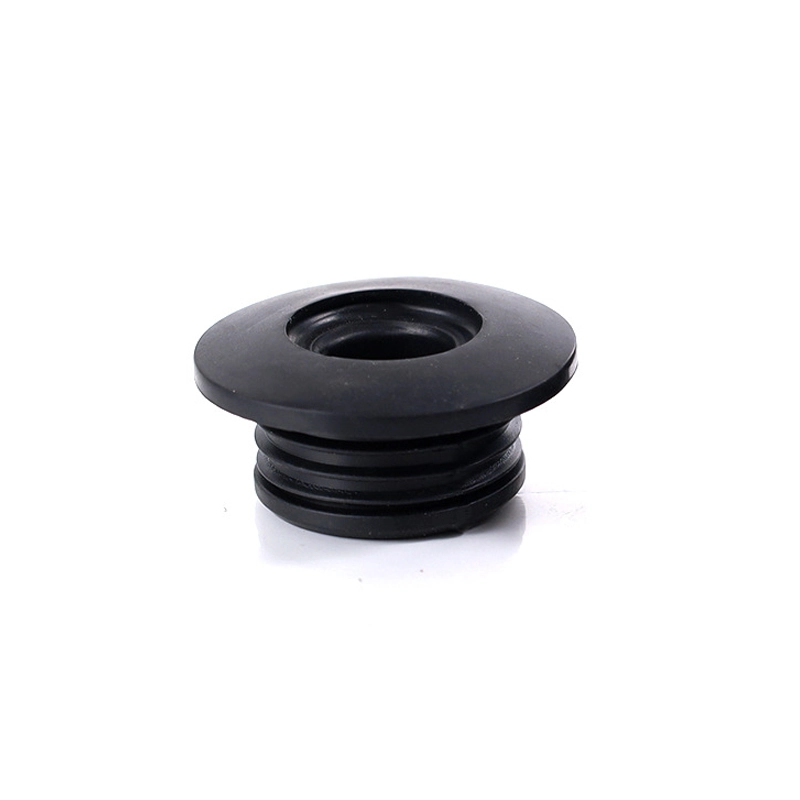 Urinal Sensor Inlet Seal Gasket Factory Replacement
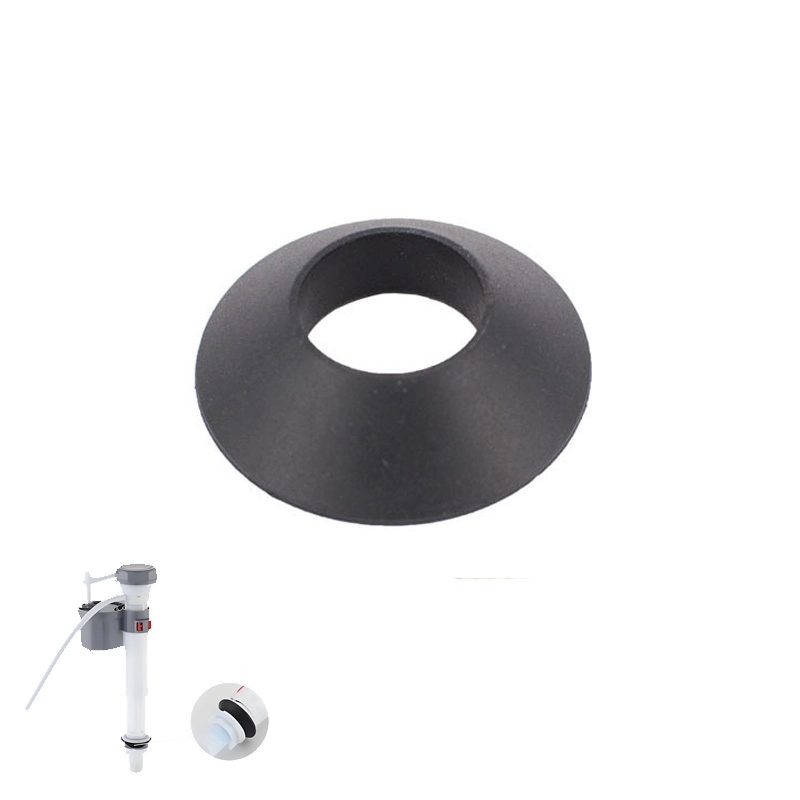 Toilet Tank Fill Valve Conical Seal Factory Replacement
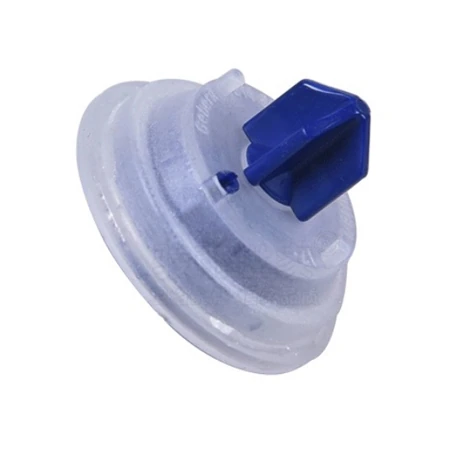 Wholesale Toilet Cistern Inlet Valve Diaphragm Washers
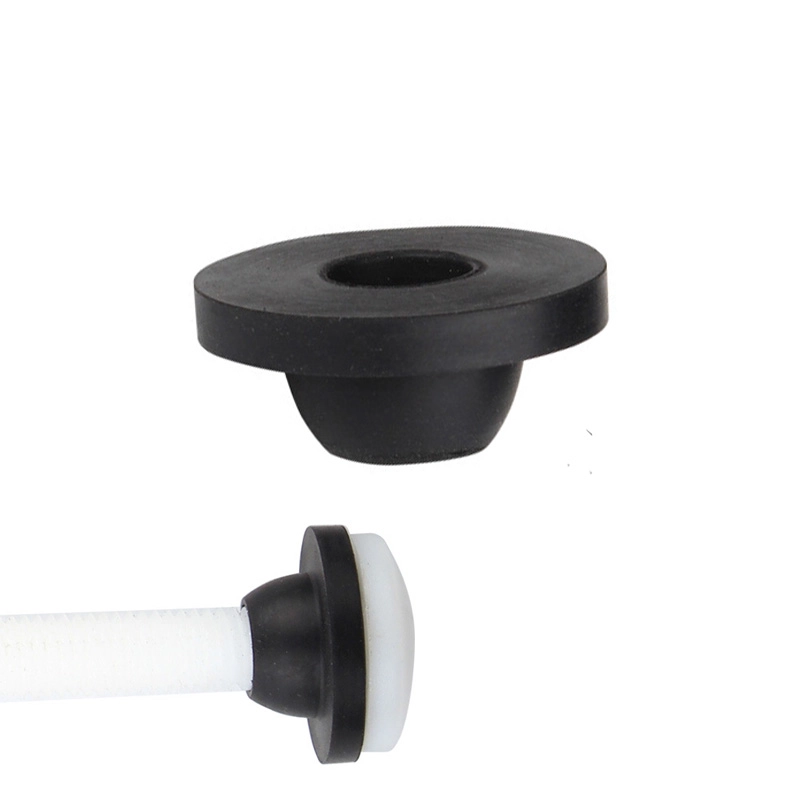 Conical Rubber Washers for Toilet Bolts Factory Wholesale