

Best Material for Toilet Tank Flush Valve Seal
When it comes to toilet maintenance, one small component can make a huge difference: the flush valve seal. This little part may not grab headlines, but it plays a critical role in ensuring a leak-free, efficient, and long-lasting toilet. If you’re in the market for high-quality toilet tank flush valve seals—whether as a manufacturer, distributor, or end-user—it’s essential to know which materials perform best. In this article, we’ll explore the top materials used in flush valve seals, their advantages, and why they matter for global OEM production.
Why the Material of Flush Valve Seal Matters
A toilet flush valve seal is the gasket that sits between the flush valve and the toilet tank. Its primary function is to prevent water from leaking from the tank into the bowl when the toilet is not in use. Over time, poor-quality seals can warp, crack, or degrade, causing leaks, wasted water, and customer complaints.
The choice of material directly affects:
Durability: High-quality materials last longer, reducing the need for frequent replacements.
Leak Prevention: Materials that resist deformation and chemical corrosion ensure a tight seal.
Compatibility: Different toilets and flush systems may require specific seal flexibility or hardness.
Temperature and Chemical Resistance: Tank water can vary in temperature and often contains cleaning chemicals. The material must withstand these conditions.
Selecting the right material is especially important for OEM manufacturers who supply global markets, as customers expect consistent performance, even under high-traffic conditions.
Top Materials for Toilet Tank Flush Valve Seals
1. EPDM (Ethylene Propylene Diene Monomer) Rubber
EPDM is widely recognized as the gold standard for flush valve seals. It’s a synthetic rubber designed to resist aging, heat, and water.
Key Benefits:
Excellent Water Resistance: EPDM doesn’t degrade in contact with water over long periods.
Chemical Resistance: It can withstand common cleaning chemicals without cracking or swelling.
Temperature Tolerance: Effective in temperatures from -40°F to 250°F (-40°C to 121°C), making it ideal for both residential and commercial applications.
Durability: EPDM seals typically last longer than natural rubber or other alternatives.
Why OEMs Prefer EPDM: EPDM’s versatility, durability, and global availability make it the top choice for manufacturers supplying toilets to international markets. It provides reliability across varying water qualities and climates.
2. Silicone Rubber
Silicone is another high-performance material increasingly used in flush valve seals, particularly for premium and high-end toilet models.
Key Benefits:
Flexibility and Resilience: Silicone seals maintain their shape over time, ensuring a consistent seal.
Temperature Extremes: Silicone performs exceptionally well in both high and low temperatures.
Chemical Stability: Resistant to mineral buildup and harsh cleaning chemicals.
Longevity: Silicone seals can outlast traditional rubber seals in certain conditions, making them ideal for long-term OEM projects.
Best Use Cases: Silicone is particularly suitable for toilets installed in environments with frequent chemical cleaning, hard water areas, or in RVs and campers where exposure to temperature fluctuations is common.
3. Natural Rubber
While not as popular as EPDM or silicone, natural rubber is still used in some flush valve seals due to its flexibility and cost-effectiveness.
Key Benefits:
Good Elasticity: Provides a tight seal initially.
Affordable: Lower material cost makes it suitable for budget models.
Limitations:
Prone to degradation when exposed to chlorine, high heat, or prolonged water exposure.
Shorter lifespan compared to EPDM or silicone.
For global OEM manufacturers targeting premium markets, natural rubber is usually less desirable because it may fail sooner and lead to customer dissatisfaction.
4. Nitrile Rubber (Buna-N)
Nitrile is a synthetic rubber often used in industrial applications where oil and chemical resistance are important.
Key Benefits:
Chemical Resistance: Excellent for environments where harsh cleaning agents are used.
Durability: Resistant to wear and tear.
Limitations:
Less flexible at low temperatures compared to EPDM or silicone.
Not as widely used in consumer toilet applications.
Nitrile is often a niche choice but can be ideal for specialized applications, such as commercial or industrial toilets that experience heavy usage.
OEM Considerations for Global Markets
When producing flush valve seals for international clients, OEM manufacturers should consider:
Compliance and Standards: Materials should comply with international standards such as NSF/ANSI 61 for potable water contact.
Material Availability: EPDM and silicone are widely available globally, ensuring consistent supply chains.
Customer Expectations: Customers in the US and Europe expect durability and leak-free performance. EPDM and silicone meet these expectations better than natural rubber.
Customization: OEMs often offer seals in various sizes, hardness levels, and colors. EPDM and silicone are highly adaptable for these purposes.
Tips for Choosing the Right Flush Valve Seal Material
For Residential Toilets: EPDM is typically the best choice due to its balance of cost, durability, and chemical resistance.
For Commercial or High-Traffic Toilets: Silicone seals may be preferred for their longevity and resilience under heavy use.
For Specialized Applications (RV or Camper Toilets): Silicone or EPDM with enhanced temperature tolerance ensures leak-free travel.
Budget Considerations: Natural rubber can be used for low-cost models, but OEMs should communicate potential shorter lifespan.
Conclusion
The material of a toilet tank flush valve seal is not a minor detail—it’s the backbone of a leak-free, durable toilet system. EPDM and silicone emerge as the top choices for global OEM manufacturers, providing durability, chemical resistance, and reliable performance. While natural rubber and nitrile may still have niche applications, investing in high-quality materials ensures fewer customer complaints, less maintenance, and long-term brand trust.
For OEM manufacturers and distributors serving global markets, selecting the right seal material is a decision that affects product quality, customer satisfaction, and market competitiveness. EPDM and silicone remain the leaders, offering a winning combination of performance, reliability, and adaptability across diverse toilet models and environments.
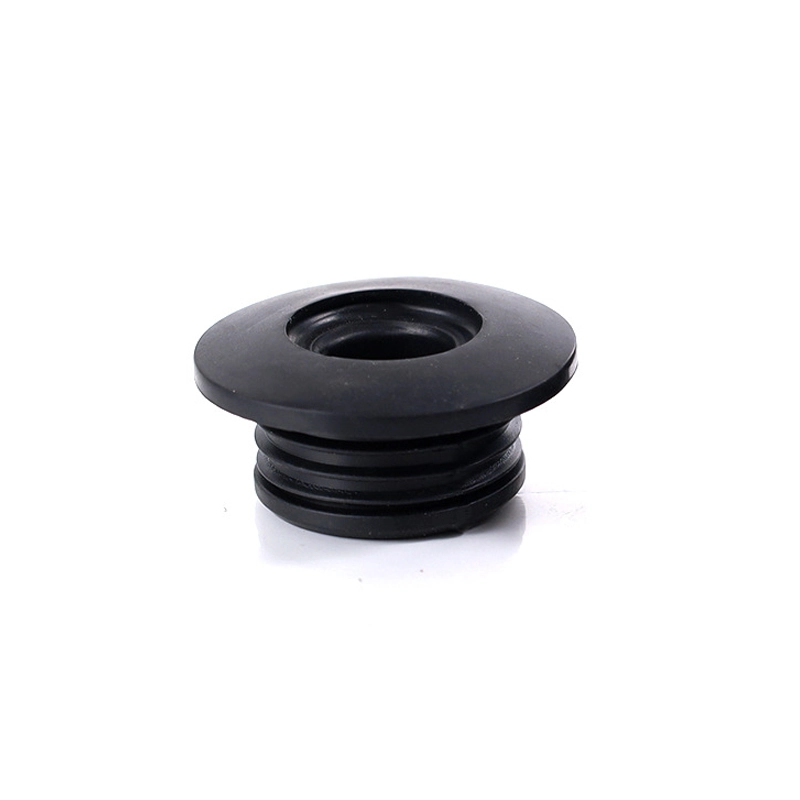 Urinal Sensor Inlet Seal Gasket Factory Replacement
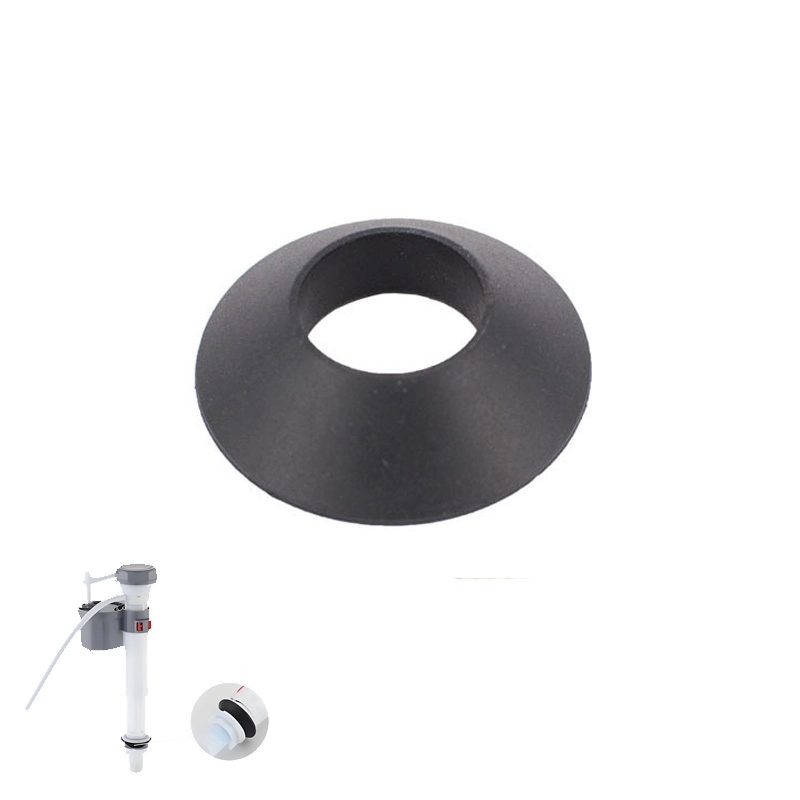 Toilet Tank Fill Valve Conical Seal Factory Replacement
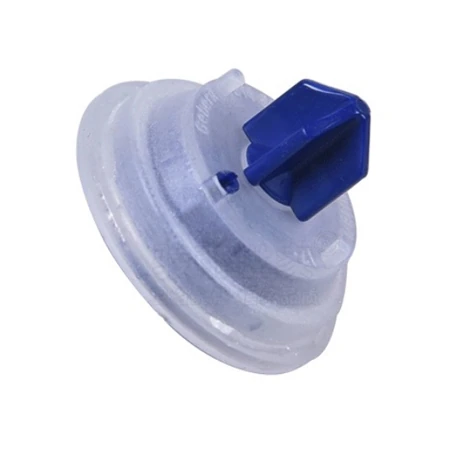 Wholesale Toilet Cistern Inlet Valve Diaphragm Washers
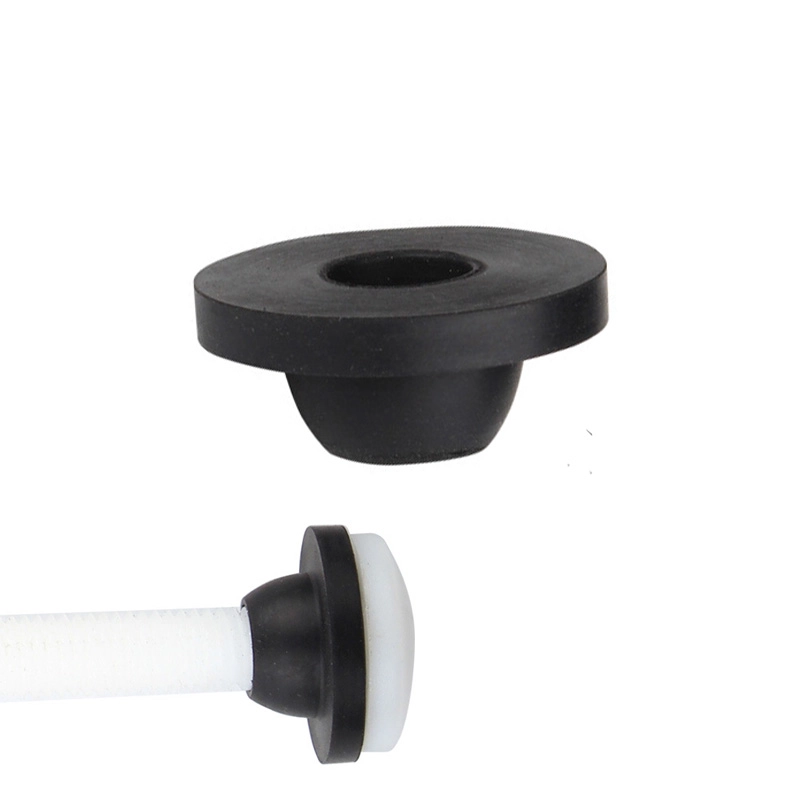 Conical Rubber Washers for Toilet Bolts Factory Wholesale