

How Long Does a Toilet Flush Valve Seal Ring Last? (Complete Guide)
A toilet flush valve seal ring may be small, but it plays a critical role in keeping your toilet working efficiently. If you're dealing with a running toilet or hidden leaks, this component is often the culprit.
So, how long does a toilet flush valve seal ring actually last?
👉 Typical lifespan: 3–5 years
👉 High-quality materials: up to 5–8 years
👉 Heavy-use environments: as short as 1–3 years
However, lifespan isn’t fixed. It depends on several key factors like material quality, water conditions, and how often the toilet is used.
1. Material Quality: The Biggest Factor
Not all seal rings are created equal—and this is where lifespan varies the most.
✅ High-Quality Materials (Best Choice)
Food-grade silicone
Nitrile rubber (NBR)
Benefits:
Strong resistance to aging and cracking
Excellent flexibility over time
Better sealing performance
👉 Expected lifespan: 5–8 years under normal use
❌ Low-Quality Materials (Avoid If Possible)
Recycled rubber
Low-grade plastic
Problems:
Hardens quickly
Cracks or deforms
Loses sealing ability fast
👉 Typical lifespan: 1–2 years (or less)
2. Water Quality & Environment Matter More Than You Think
Your local water conditions can significantly impact how long a seal ring lasts.
Hard Water Issues
If your home has hard water, minerals like calcium and magnesium can build up on the seal ring.
What happens:
Limescale forms on the surface
Sealing becomes uneven
Elasticity decreases
👉 This can shorten lifespan by 1–2 years
Other Environmental Factors
Constant bathroom humidity
Temperature fluctuations
Frequent exposure to harsh cleaning chemicals
All of these can accelerate aging and wear.
3. Usage Frequency = Wear Speed
How often your toilet is used directly affects how quickly the seal ring wears out.
Residential Use
Average: 3–5 flushes per day
Wear is gradual
👉 Lifespan stays within the standard 3–5 years
Commercial / Public Use
Dozens (or hundreds) of flushes daily
Constant opening and closing
👉 Lifespan drops to 1–3 years
4. Signs Your Flush Valve Seal Ring Needs Replacement
Don’t wait for a major problem—watch for these early warning signs:
🚽 Continuous water leaking into the bowl
💧 Tank won’t hold water properly
🔄 Toilet keeps running after flushing
🔘 Flush button/handle doesn’t return smoothly
📉 Weak or incomplete flush
👉 If you notice any of these, it’s time to replace the seal ring.
Pro Tip: Replace Before It Fails
Even if everything seems fine, replacing your flush valve seal ring every 3–4 years is a smart preventive move. It helps:
Save water
Avoid higher utility bills
Prevent unexpected toilet failures
Conclusion
A toilet flush valve seal ring typically lasts 3–5 years, but choosing high-quality materials and maintaining good water conditions can extend its life significantly.
If you want fewer repairs and better performance, investing in a durable silicone or nitrile rubber seal is the best long-term solution.
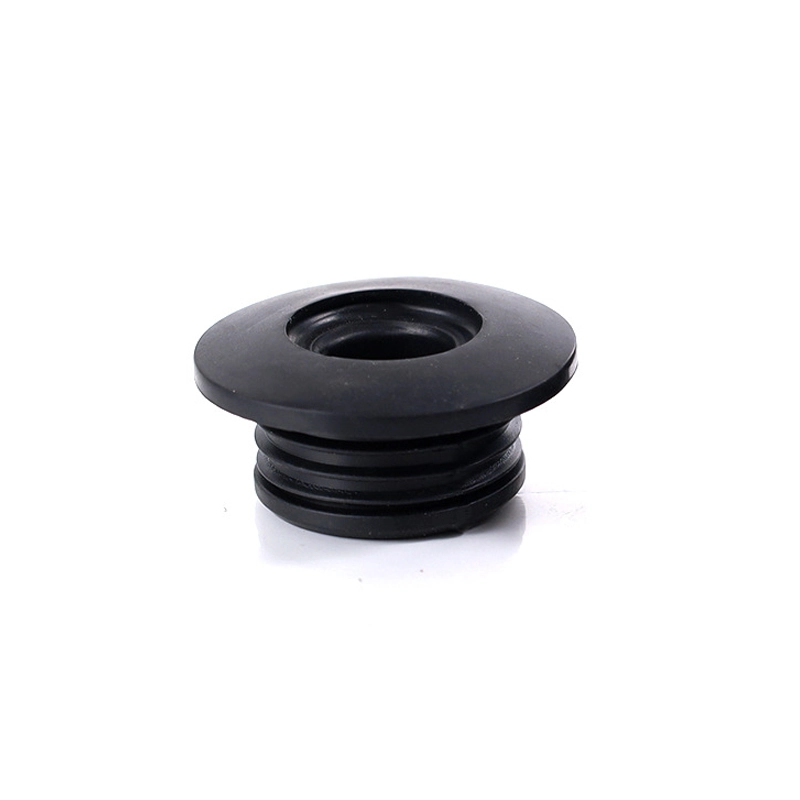 Urinal Sensor Inlet Seal Gasket Factory Replacement
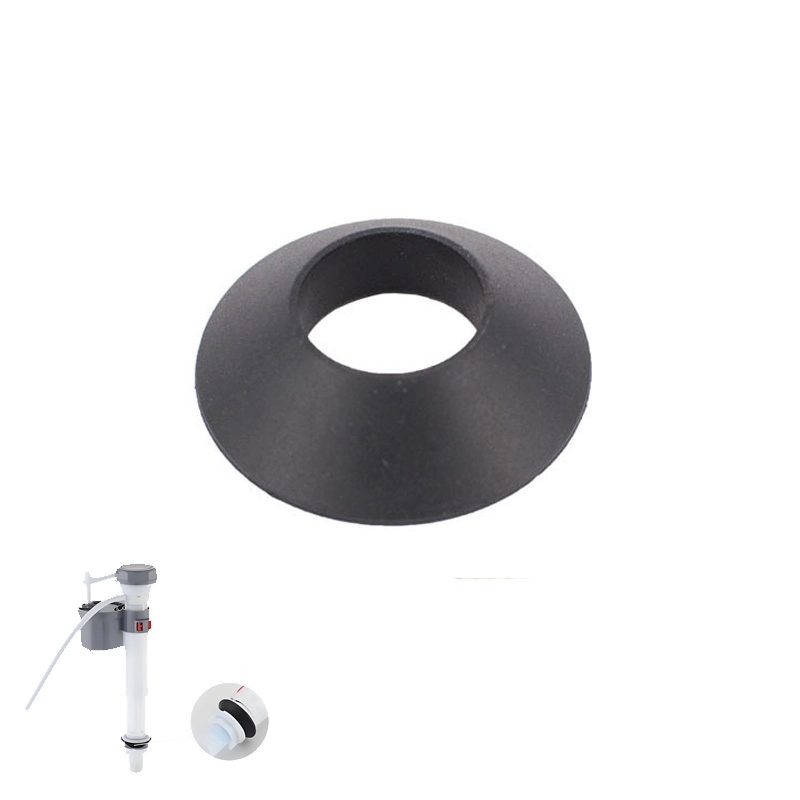 Toilet Tank Fill Valve Conical Seal Factory Replacement
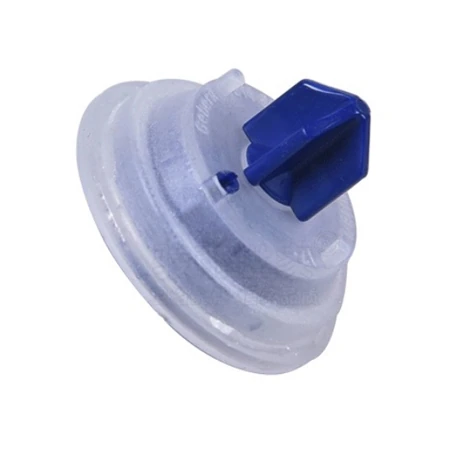 Wholesale Toilet Cistern Inlet Valve Diaphragm Washers
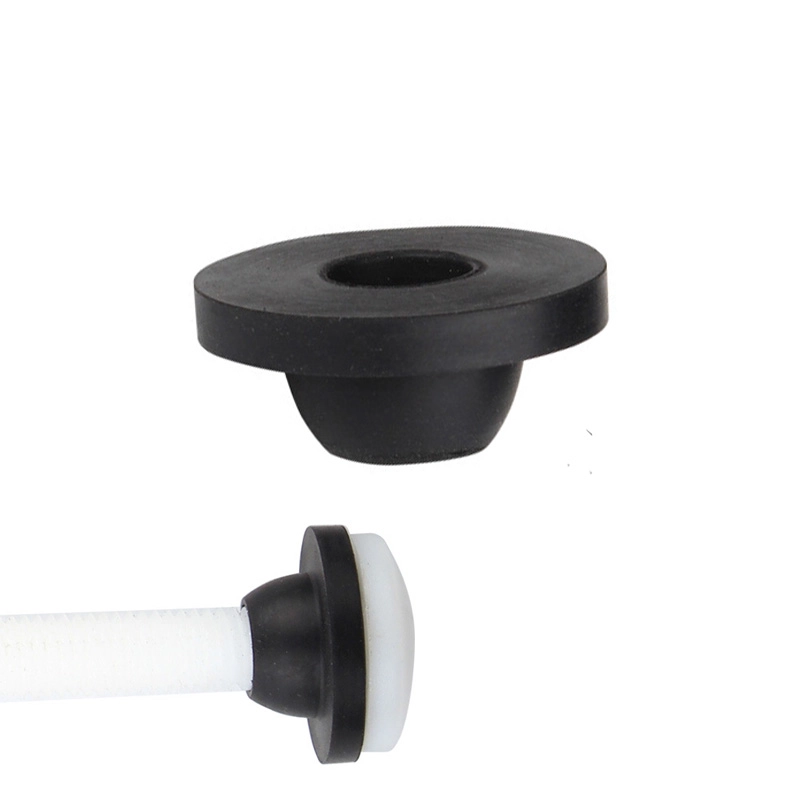 Conical Rubber Washers for Toilet Bolts Factory Wholesale