

How to Choose a Toilet Rubber Seal Manufacturer: Expert Guide
Selecting the right toilet rubber seal manufacturer is crucial for toilet brands, plumbing suppliers, and sanitary ware factories. The right manufacturer ensures durable seals, leak-free performance, and long-term customer satisfaction. Below, we answer the most common questions buyers have when choosing a manufacturer.
1. What Materials Are Best for Toilet Rubber Seals?
High-quality toilet seals are made from materials that resist water, pressure, chemicals, and temperature changes. Top choices include:
EPDM Rubber – excellent water and ozone resistance
Silicone – flexible and heat-resistant
NBR (Nitrile) – resistant to oils and cleaning chemicals
Natural Rubber – good elasticity for certain designs
Ask the manufacturer for material specifications, Shore A hardness, and compliance with standards like RoHS, REACH, or WRAS.
2. How Do I Evaluate a Manufacturer’s Production Capabilities?
A reliable manufacturer should handle:
In-house rubber mixing, molding, and vulcanization
Advanced compression or injection molding
Precision mold design and maintenance
Production volumes that match your order needs
Manufacturers with OEM/ODM experience can support your project from prototype to full-scale production.
3. What Quality Control Measures Should I Look For?
Consistent quality is essential to prevent leaks and defects. Check whether the manufacturer performs:
Raw material inspections
In-process quality checks
Final inspections, including leak tests and dimensional checks
Compression set testing
Certifications like ISO 9001 or similar indicate strong quality management systems.
4. Can Manufacturers Provide Custom Seals?
Yes. A good manufacturer offers:
Custom molds based on drawings or samples
Engineering advice on material and design
Support for complex shapes: flush valve seals, fill valve seals, tank gaskets, outlet seals
Fast sample turnaround for testing
Custom engineering support improves sealing performance and reduces development time.
5. Why Is Industry Experience Important?
Manufacturers with years of experience in toilet seals:
Understand common failure points
Know industry standards
Offer advice for design improvements
Provide a wide product range, including:
Toilet tank seals
Flush valve seals
Fill valve seals
Toilet bolt washers
Custom sanitary rubber parts
6. How Should I Consider Pricing and Long-Term Value?
Price alone doesn’t guarantee quality. Evaluate:
Material quality vs cost
Mold ownership and cost policies
Stability of long-term pricing
Savings from fewer defects and returns
A transparent manufacturer provides clear quotations, reasonable MOQs, and consistent pricing.
7. How Important Is Communication and After-Sales Support?
Smooth communication ensures fewer mistakes and better product outcomes, especially for international buyers. Check for:
Clear English communication
Professional sales and technical support
Fast response to quality issues
Willingness to improve or adjust products after delivery
Key Takeaways
Choosing the right toilet rubber seal manufacturer is about more than cost. Focus on:
Material quality and compliance with standards
Manufacturing capabilities and experience
Quality control systems
Customization and engineering support
Clear communication and after-sales service
A professional manufacturer becomes a strategic partner, helping your toilets perform better and building your brand reputation.
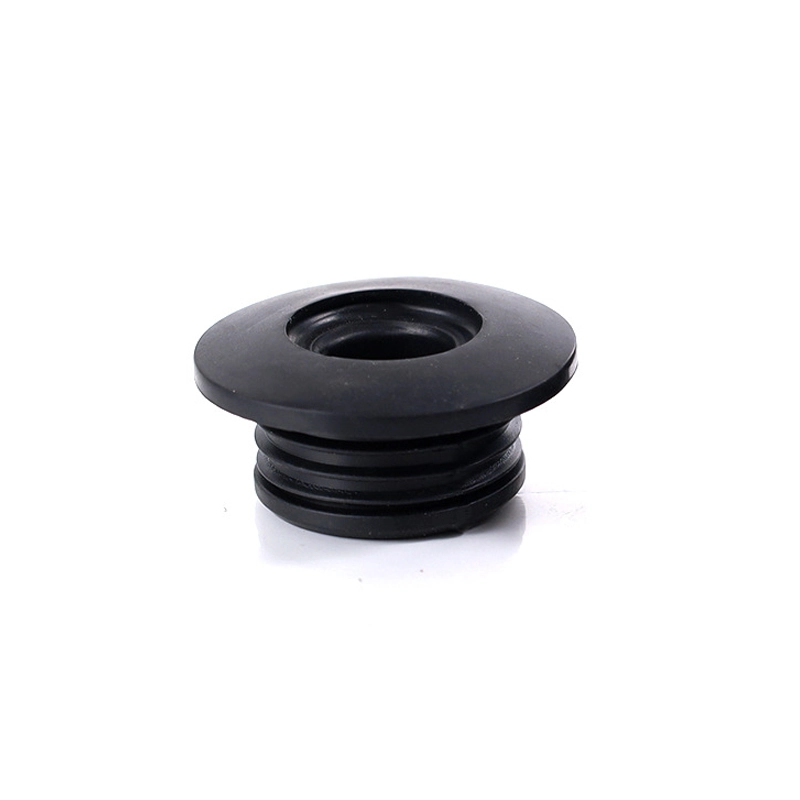 Urinal Sensor Inlet Seal Gasket Factory Replacement
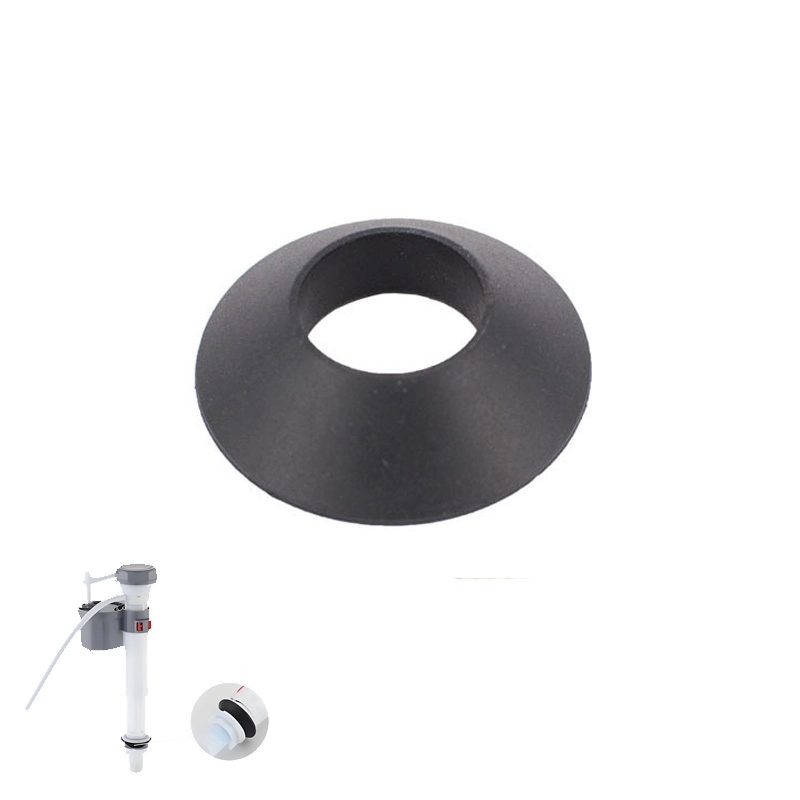 Toilet Tank Fill Valve Conical Seal Factory Replacement
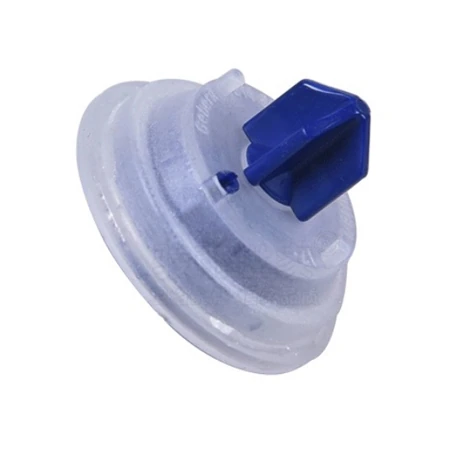 Wholesale Toilet Cistern Inlet Valve Diaphragm Washers
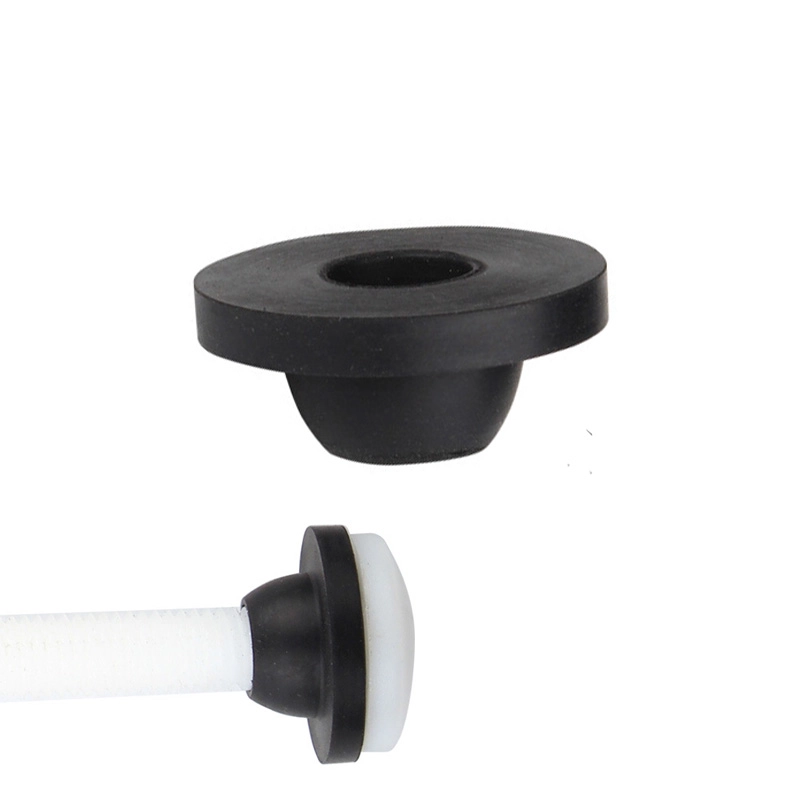 Conical Rubber Washers for Toilet Bolts Factory Wholesale