

How to Install a Toilet Tank Fill Valve Seal for Optimal Flushing Performance?
A properly installed toilet tank fill valve seal plays a critical role in maintaining stable water levels, preventing leaks, and ensuring consistent flushing performance. Whether you are a homeowner, plumber, or toilet manufacturer, understanding the correct installation process can help extend the lifespan of the toilet system and reduce maintenance issues.
This guide walks you through how to install a toilet tank fill valve seal step by step, explains common mistakes to avoid, and highlights why seal quality matters for optimal flushing performance.
What Is a Toilet Tank Fill Valve Seal?
A toilet tank fill valve seal is a rubber or silicone sealing component located inside the fill valve assembly. Its main functions include:
Preventing water leakage during tank refilling
Regulating water flow into the tank
Maintaining proper water pressure and level
Supporting smooth, quiet flushing cycles
Over time, seals can degrade due to hard water, chemical cleaners, or frequent use, leading to running toilets or weak flushes.
Tools and Materials You’ll Need
Before starting installation, prepare the following items:
Replacement toilet tank fill valve seal
Adjustable wrench
Screwdriver (if required by the valve design)
Clean cloth or towel
Bucket (optional, to catch residual water)
Using a high-quality rubber or silicone seal designed for your specific fill valve model is essential for long-term performance.
Step-by-Step Guide to Installing a Fill Valve Seal
Step 1: Turn Off the Water Supply
Locate the shut-off valve behind or beneath the toilet and turn it clockwise to stop water flow. Flush the toilet to drain most of the water from the tank.
Step 2: Remove the Tank Lid
Carefully lift off the toilet tank lid and place it on a flat, safe surface to avoid cracking.
Step 3: Disconnect the Fill Valve
Use an adjustable wrench to loosen the water supply line connected to the bottom of the fill valve. Gently remove the fill valve cap or top assembly according to the manufacturer’s design.
Step 4: Remove the Old Fill Valve Seal
Locate the worn or damaged seal inside the fill valve. Remove it carefully and wipe the sealing area clean to eliminate debris or mineral buildup.
Step 5: Install the New Fill Valve Seal
Insert the new seal into the correct position, ensuring it sits evenly and securely. The seal should not be twisted, folded, or misaligned, as this can cause leaks.
Step 6: Reassemble the Fill Valve
Reattach the fill valve cap or assembly and reconnect the water supply line. Make sure all connections are snug but not overtightened.
Step 7: Turn On Water and Test
Slowly turn the water supply back on and allow the tank to refill. Check for leaks and perform several test flushes to confirm smooth, efficient flushing.
Common Installation Mistakes to Avoid
Using the wrong seal size or material
Installing the seal upside down or unevenly
Failing to clean the sealing surface before installation
Overtightening connections, which can damage rubber components
Avoiding these mistakes ensures optimal flushing performance and reduces the risk of premature seal failure.
Why Seal Quality Matters for Flushing Performance
Low-quality or poorly designed fill valve seals can lead to:
Continuous water running
Inconsistent tank refill levels
Increased water consumption
Frequent maintenance or replacement
High-performance seals made from durable rubber or silicone compounds offer better elasticity, chemical resistance, and long-term sealing reliability—especially in commercial or high-usage environments.
When Should You Replace a Toilet Fill Valve Seal?
You should consider replacement if you notice:
Water constantly flowing into the overflow tube
Weak or incomplete flushes
Visible cracks, deformation, or hardening of the seal
Increased water bills without obvious leaks
Routine inspection and timely replacement help maintain toilet efficiency and extend system lifespan.
Final Thoughts
Installing a toilet tank fill valve seal is a simple but crucial task for ensuring optimal flushing performance and preventing water waste. By following the correct installation steps and choosing a high-quality seal, you can significantly improve toilet reliability and efficiency.
For toilet manufacturers and plumbing professionals, using custom-engineered fill valve seals tailored to specific valve designs can further enhance performance and product longevity.
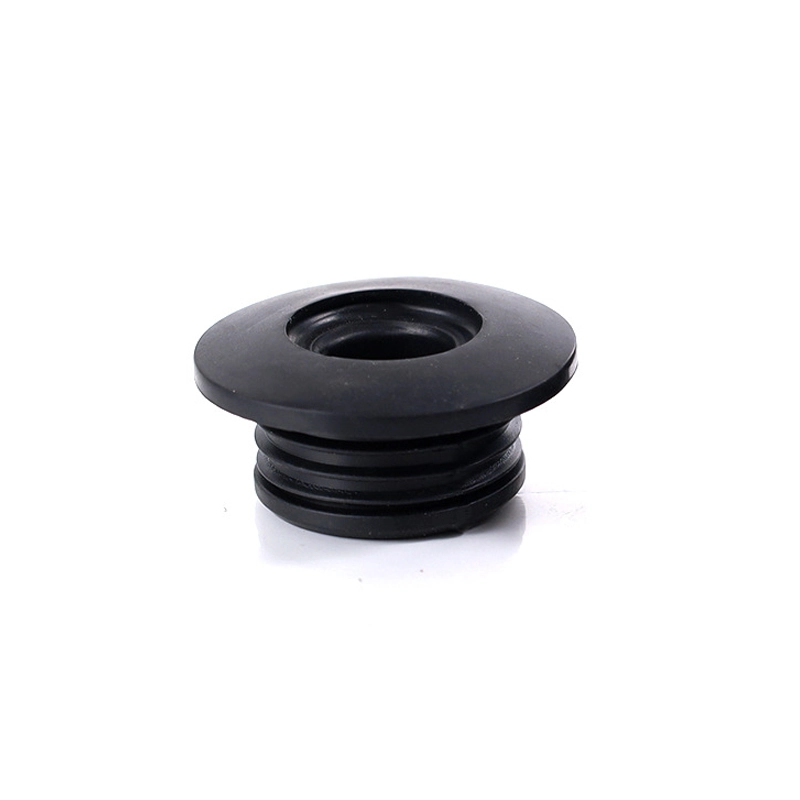 Urinal Sensor Inlet Seal Gasket Factory Replacement
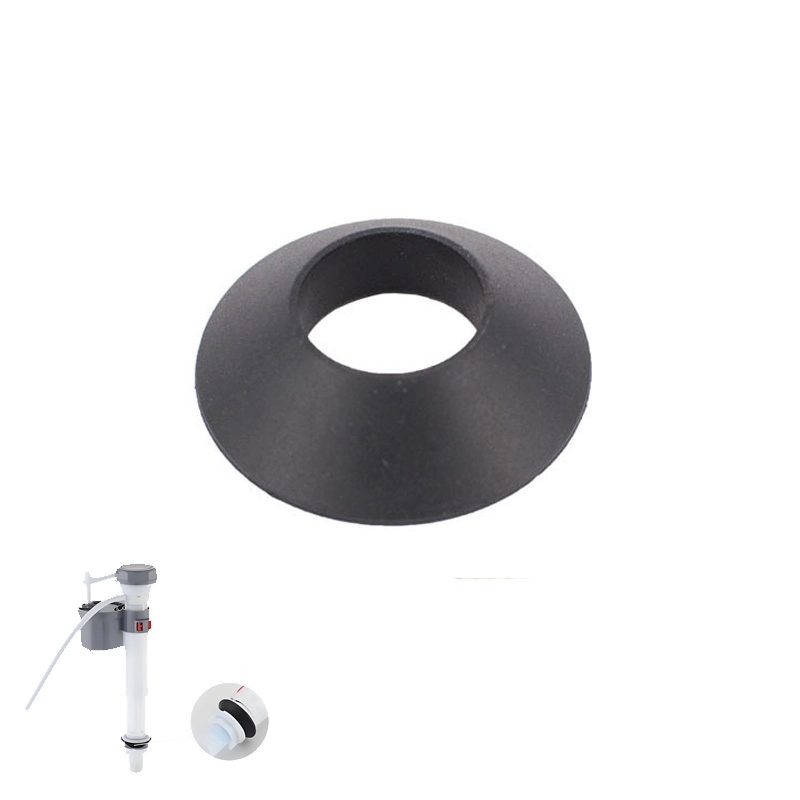 Toilet Tank Fill Valve Conical Seal Factory Replacement
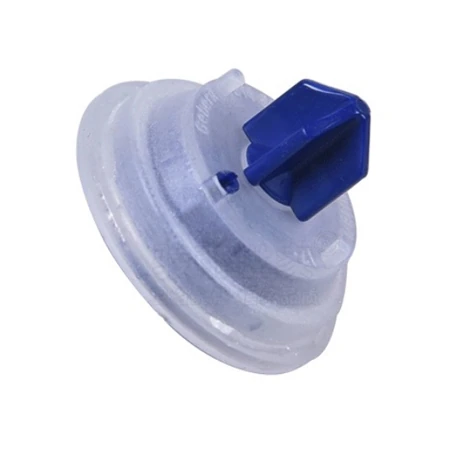 Wholesale Toilet Cistern Inlet Valve Diaphragm Washers
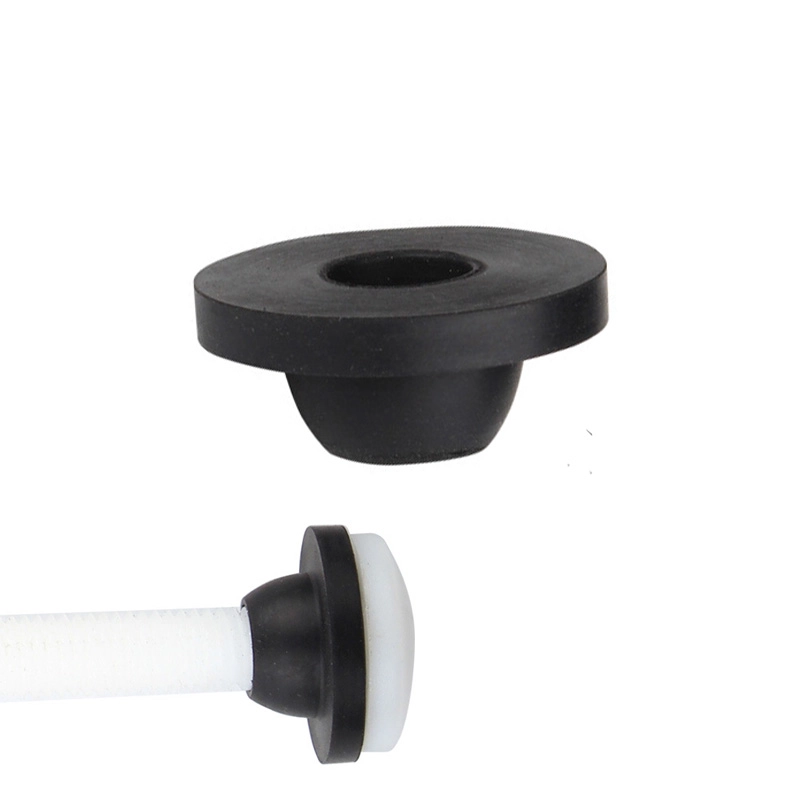 Conical Rubber Washers for Toilet Bolts Factory Wholesale