

American Standard Flush Valve Seal Replacement Not Working? Here’s Why
If you've recently replaced the flush valve seal in your American Standard toilet, only to find that it’s still not working properly, you're not alone. This common issue can leave you scratching your head, wondering why your toilet still won’t stop running or flush correctly. Before you give up or call a plumber, let's walk through a few possible reasons why your flush valve seal replacement might not have resolved the problem.
1. Incorrect Seal Size or Model
One of the most common causes of a failed seal replacement is selecting the wrong size or model. American Standard toilets have different flush valve systems depending on the model and year of manufacture. Using the wrong seal for your specific toilet could lead to improper sealing, causing leaks and persistent flushing problems. Always double-check the model number of your toilet and ensure that the replacement seal is the correct one for your system.
2. Improper Installation
Even if you’ve got the right seal, incorrect installation can lead to issues. If the seal isn't properly aligned or positioned, it won’t create a tight, secure fit around the flush valve. Over time, this can lead to leaks and water running continuously. Be sure to follow the manufacturer's installation instructions closely. Even a slight misalignment can prevent the seal from working as intended.
3. Worn or Damaged Flush Valve Assembly
The flush valve assembly itself may be damaged or worn, causing the new seal to fail. If the flush valve is cracked, corroded, or warped, the seal won’t form a proper connection, even if the seal itself is brand new. Inspect the flush valve carefully for any visible signs of wear and tear. If the assembly looks damaged, it may need to be replaced entirely.
4. Debris or Mineral Build-up
Another common issue is the build-up of mineral deposits, dirt, or debris in the toilet's tank. Over time, hard water can leave mineral deposits on the flush valve or around the seal. This build-up can interfere with the seal’s ability to form a proper fit, causing water leaks or continuous flushing. Cleaning the flush valve and surrounding areas thoroughly before replacing the seal can help avoid this issue.
5. Faulty Fill Valve or Flapper
Sometimes, the issue may not be with the flush valve seal at all. If the fill valve or flapper is malfunctioning, it can affect the entire flushing mechanism. A faulty fill valve can cause the water level in the tank to rise too high, which can lead to constant running. Similarly, a worn-out flapper can prevent the toilet from sealing properly after flushing, causing the toilet to run continuously. Make sure all components of the toilet’s flush system are in good working condition.
6. Old or Poor-Quality Replacement Parts
Not all replacement seals are created equal. Some aftermarket parts may be of lower quality than the original equipment manufacturer (OEM) parts, which can lead to premature failure. If your new seal is made from subpar materials or isn't designed for heavy-duty use, it may not provide a proper seal, even if it seems to fit initially. When replacing toilet parts, it’s always a good idea to choose OEM or high-quality replacement parts to ensure longevity and performance.
Conclusion: When to Call a Professional
If you've tried replacing the flush valve seal and have checked for all of the issues mentioned above, but your toilet is still malfunctioning, it may be time to call in a professional plumber. Persistent issues after replacing the seal could indicate deeper problems with the plumbing system or the need for a more complex repair.
By understanding the common issues and knowing what to look for, you can troubleshoot the problem yourself, saving time and money. However, if the problem persists, a professional can provide the expertise needed to get your toilet working perfectly again.
Have you recently replaced your flush valve seal? Let us know your experience and any additional tips that have worked for you!
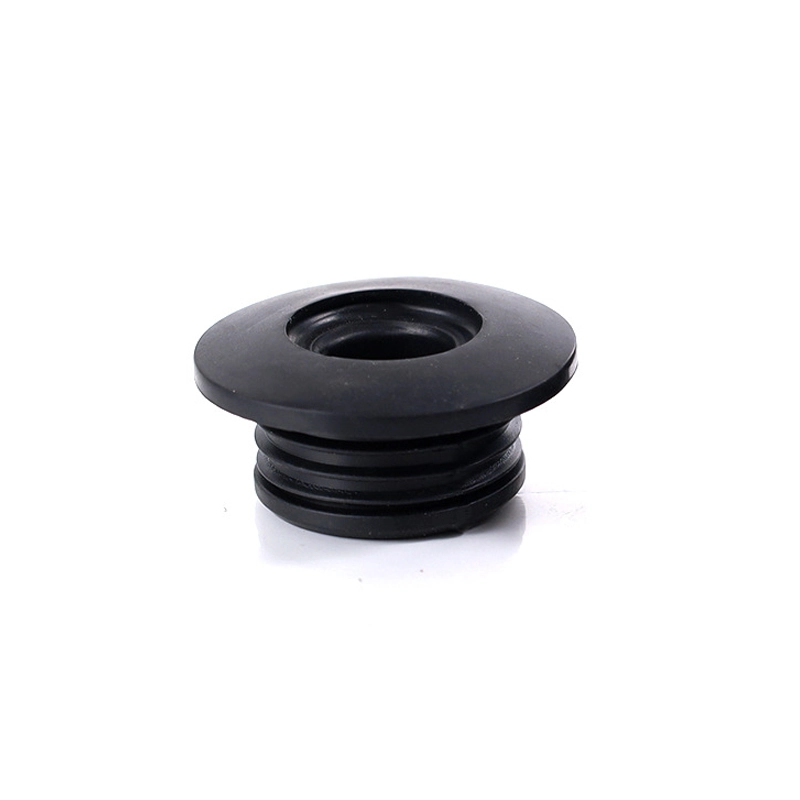 Urinal Sensor Inlet Seal Gasket Factory Replacement
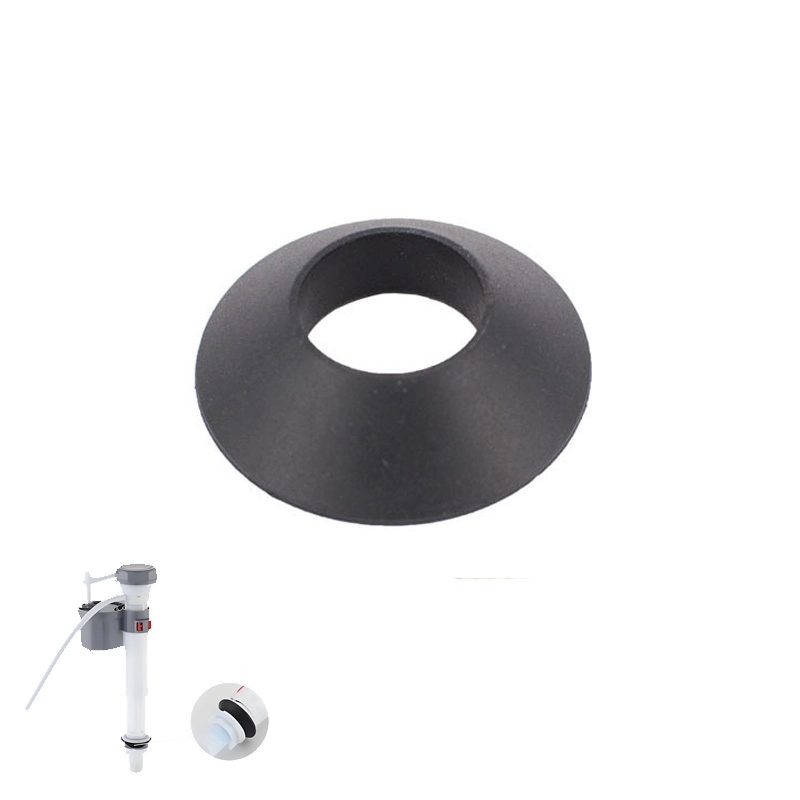 Toilet Tank Fill Valve Conical Seal Factory Replacement
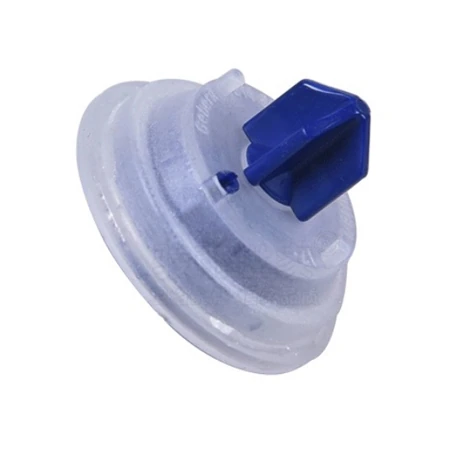 Wholesale Toilet Cistern Inlet Valve Diaphragm Washers
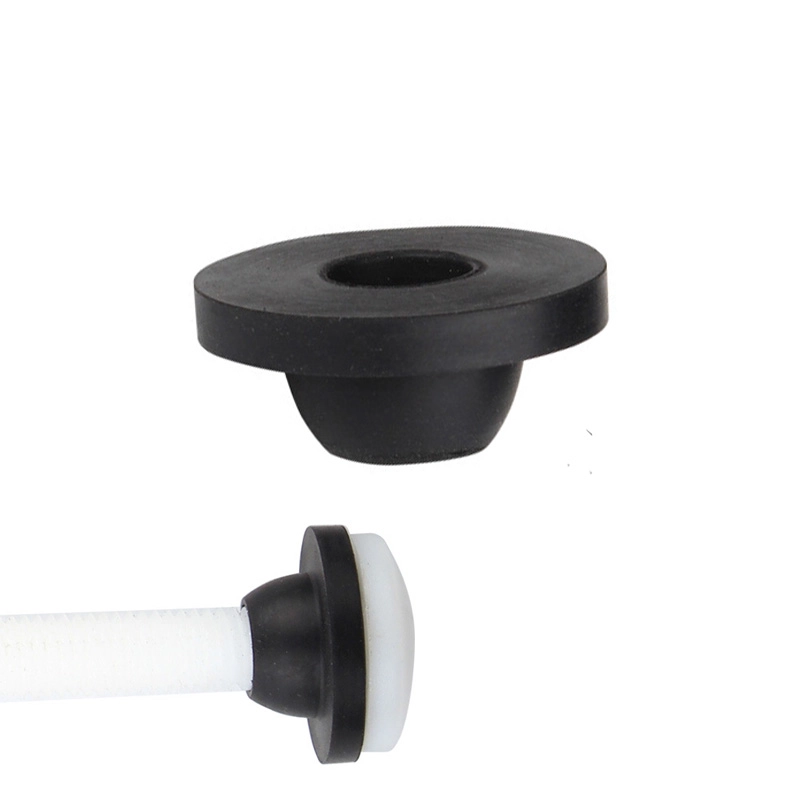 Conical Rubber Washers for Toilet Bolts Factory Wholesale