

Are All RV Toilet Seals the Same?
If your RV toilet is leaking, smelling, or not holding water in the bowl, the seal is often the culprit. Many RV owners assume all RV toilet seals are interchangeable — but that’s not the case. Understanding the differences can save you time, money, and frustration.
In this guide, you’ll learn whether RV toilet seals are universal, what types exist, and how to choose the right replacement.
The Short Answer: No, RV Toilet Seals Are Not All the Same
RV toilet seals vary by:
Brand and model
Size and diameter
Material composition
Seal design and function
Using the wrong seal can lead to leaks, poor flushing, odors, or premature wear. Always verify compatibility before purchasing.
Why RV Toilet Seals Differ
1. Different Toilet Brands
Major RV toilet manufacturers design their own seal specifications. Common brands include:
Thetford
Dometic
Sealand
Each brand often uses proprietary dimensions and groove designs. Even within the same brand, different models may require different seals.
Key takeaway: Brand compatibility matters.
2. Variations in Size and Shape
RV toilet seals are not one-size-fits-all. Differences include:
Inner and outer diameter
Thickness
Lip or flat design
Groove profile
A seal that is slightly too small may leak. One that is too large may not seat properly.
Pro tip: Measure your old seal or check the toilet model number.
3. Different Materials
Not all seals are made from the same material. Common options include:
Rubber (Buna-N)
Affordable
Good flexibility
Moderate lifespan
Silicone
Excellent temperature resistance
Longer service life
Better chemical resistance
Higher cost
EPDM
Good water resistance
Weather resistant
Common in mid-range products
For RV use, silicone seals are often preferred for durability and odor resistance.
4. Ball Seal vs. Blade Seal Designs
RV toilets typically use one of two mechanisms:
Ball Seal
Used in many gravity-flush toilets
Seal sits around a rotating ball
Common in Thetford units
Common issues:
Water won’t stay in bowl
Odor leakage
Blade Seal
Used in many pedal-flush toilets
Flat blade slides open/closed
Common in Dometic/Sealand units
Common issues:
Leakage at base
Sticky pedal
You must match the seal type to your toilet mechanism.
Signs You Need to Replace Your RV Toilet Seal
Watch for these warning signs:
Water slowly drains from the bowl
Persistent black tank odors
Visible cracking or deformation
Toilet leaks during flush
Bowl won’t hold water overnight
Most RV toilet seals last 2–5 years, depending on usage and maintenance.
How to Choose the Correct RV Toilet Seal
Step 1: Identify Your Toilet Model
Look for the model number:
Behind the toilet base
Inside the access panel
In the RV owner’s manual
This is the most reliable method.
Step 2: Match Seal Type
Determine whether your toilet uses:
Ball seal
Blade seal
Base flange seal
Do not assume — verify visually if possible.
Step 3: Check Material Quality
For longer life in RV environments, look for:
High-grade silicone
Chemical-resistant rubber
OEM-spec manufacturing
Avoid very cheap seals that may harden quickly.
Step 4: Consider OEM vs. Aftermarket
OEM seals
Exact fit
Higher cost
Brand assurance
Aftermarket seals
Lower cost
Wide availability
Quality varies by manufacturer
For bulk buyers and RV manufacturers, working with a reliable seal manufacturer ensures consistent quality.
Maintenance Tips to Extend Seal Life
Proper care can significantly increase seal lifespan:
Keep the bowl wet when stored
Use RV-safe toilet chemicals
Clean regularly with mild cleaners
Avoid petroleum-based lubricants
Periodically apply silicone seal conditioner
Important: Dry seals fail faster than lubricated ones.
When a “Universal” RV Seal Might Work
Some aftermarket products are marketed as universal. They may work when:
The design is flexible silicone
The size range overlaps
The toilet model is common
However, universal seals are not guaranteed fits and should be used cautiously.
Final Verdict
RV toilet seals are not all the same. Differences in brand, size, material, and mechanism mean you must select the correct seal for your specific toilet model. Taking a few minutes to verify compatibility can prevent leaks, odors, and repeat repairs.
If you’re sourcing seals in bulk or need OEM customization, choosing an experienced manufacturer ensures consistent performance and long-term reliability.
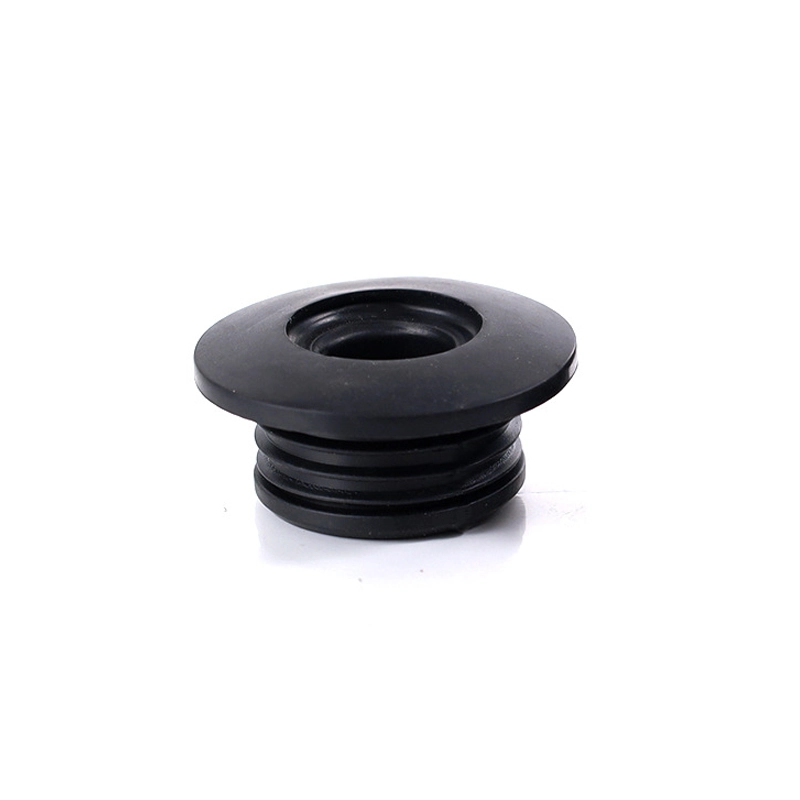 Urinal Sensor Inlet Seal Gasket Factory Replacement
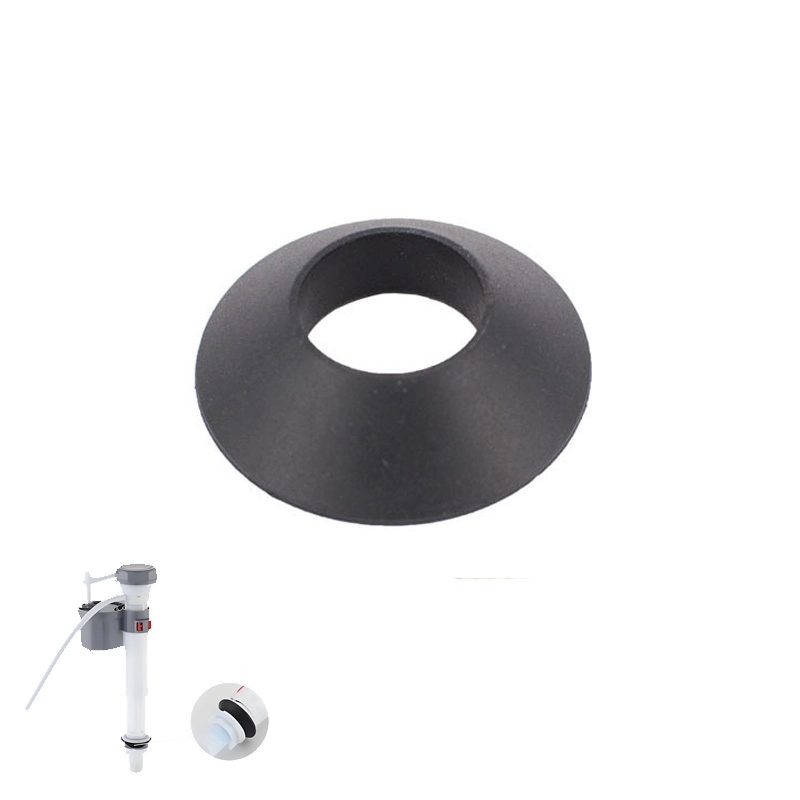 Toilet Tank Fill Valve Conical Seal Factory Replacement
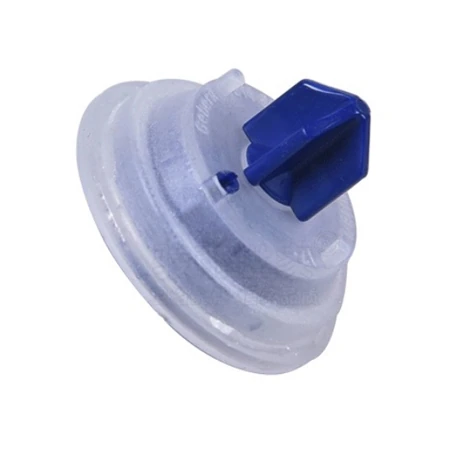 Wholesale Toilet Cistern Inlet Valve Diaphragm Washers
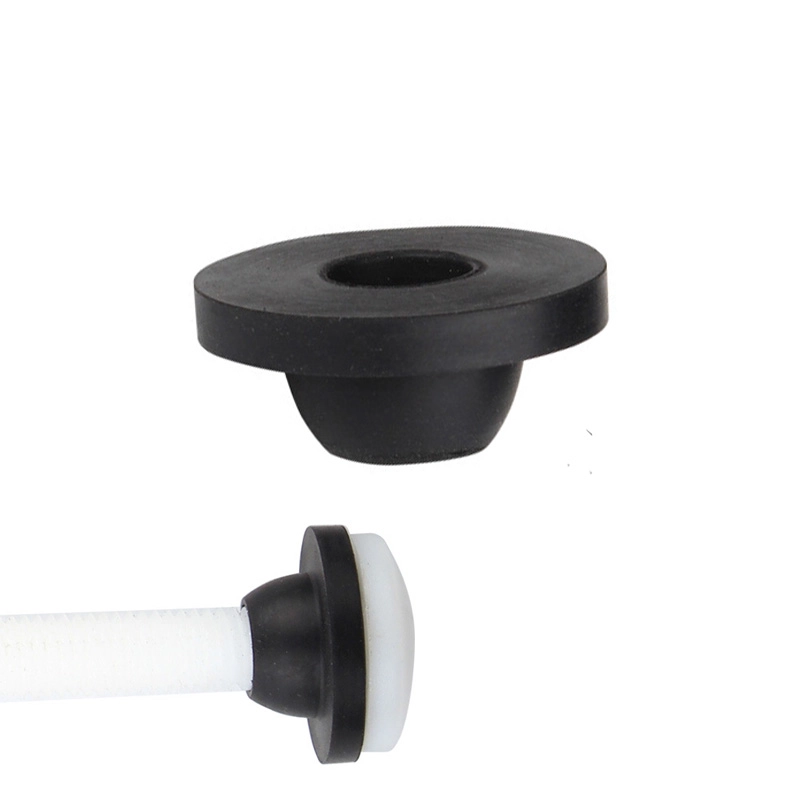 Conical Rubber Washers for Toilet Bolts Factory Wholesale