

How Long Does a Toilet Flush Valve Seal Last? Lifespan & Signs
A toilet flush valve seal is a small yet critical component inside the toilet tank. It controls water release during flushing and ensures the tank holds water efficiently between flushes.
Based on real-world plumbing maintenance experience and manufacturer guidelines, understanding the expected lifespan of this seal can help homeowners prevent water waste, reduce repair costs, and maintain reliable toilet performance.
This guide explains how long a toilet flush valve seal typically lasts, what factors affect durability, and when replacement is recommended.
What Is a Toilet Flush Valve Seal?
The toilet flush valve seal — also known as a flush valve gasket or flapper seal — is installed at the bottom of the flush valve assembly inside the toilet tank.
Its main function is to:
Create a watertight seal to keep water stored in the tank
Lift during flushing to allow water to flow into the bowl
Close securely after flushing so the tank can refill
Because this component is constantly exposed to water pressure, mineral deposits, and repeated movement, it will gradually wear out over time.
Average Lifespan of a Toilet Flush Valve Seal
In most residential plumbing systems, a toilet flush valve seal typically lasts between 3 and 7 years.
However, this range can vary depending on several real-world usage conditions.
1. Water Quality
Hard water containing calcium and magnesium minerals can form deposits on the seal surface.
Over time, buildup may cause:
Reduced sealing flexibility
Surface deformation
Slow leaks into the toilet bowl
2. Material Quality
Seal durability largely depends on manufacturing materials.
Silicone seals generally last longer due to resistance to chlorine and temperature changes
Standard rubber seals may degrade faster under chemical exposure
Higher-grade materials often provide more stable long-term performance.
3. Frequency of Toilet Use
Toilets in large households, rental properties, or commercial environments experience significantly more flush cycles.
More frequent operation leads to:
Faster mechanical wear
Increased risk of sealing failure
4. Tank Cleaning Chemicals
In-tank cleaning tablets containing bleach or harsh chemicals can accelerate rubber deterioration.
Continuous exposure may shorten seal lifespan considerably.
Signs Your Toilet Flush Valve Seal Needs Replacement
Recognizing early symptoms of seal wear can prevent water loss and plumbing damage.
Continuous Running Water
If the toilet keeps refilling long after flushing, the seal may no longer be watertight.
Water Leaking Into the Bowl
A constant trickle or ripple in the toilet bowl often indicates seal failure.
Weak or Incomplete Flush
A worn seal may not lift or close properly, reducing flushing efficiency.
Unexpectedly High Water Bills
Even small internal leaks can waste hundreds of gallons per month.
How to Extend the Life of a Toilet Flush Valve Seal
Although seal replacement is inevitable, proper maintenance can significantly increase service life.
Avoid Harsh Tank Cleaners
Use mild toilet cleaning solutions instead of chemical tablets placed inside the tank.
Remove Mineral Deposits Periodically
Cleaning the seal with diluted vinegar helps dissolve hard-water buildup.
Perform Annual Inspection
Checking the seal once per year allows early detection of:
Hardening
Warping
Cracking
Choose High-Quality Replacement Parts
Professional-grade flush valve seals typically offer:
Better sealing performance
Longer durability
Reduced maintenance frequency
When Should You Replace a Toilet Flush Valve Seal?
Plumbing professionals generally recommend inspecting the seal every 3–5 years, even if no obvious leaks are present.
Replacement is necessary if you notice:
Loss of elasticity
Visible damage
Persistent running water
Fortunately, replacing a flush valve seal is a simple DIY repair that usually takes 10–15 minutes with basic tools.
How to Choose the Right Flush Valve Seal
When selecting a replacement, consider:
Compatibility with your toilet model
Seal diameter and valve size
Material resistance to chlorine and hard water
Manufacturing quality standards
Using a properly matched seal ensures optimal flushing performance and helps prevent future leaks.
Conclusion
A toilet flush valve seal normally lasts 3 to 7 years, depending on water conditions, usage frequency, and material quality.
Regular inspection, gentle cleaning practices, and selecting durable replacement components can significantly improve toilet efficiency and reduce unnecessary water waste.
For plumbing distributors, contractors, or maintenance professionals, sourcing high-quality flush valve seals from reliable manufacturers helps ensure consistent product performance and long-term customer satisfaction.
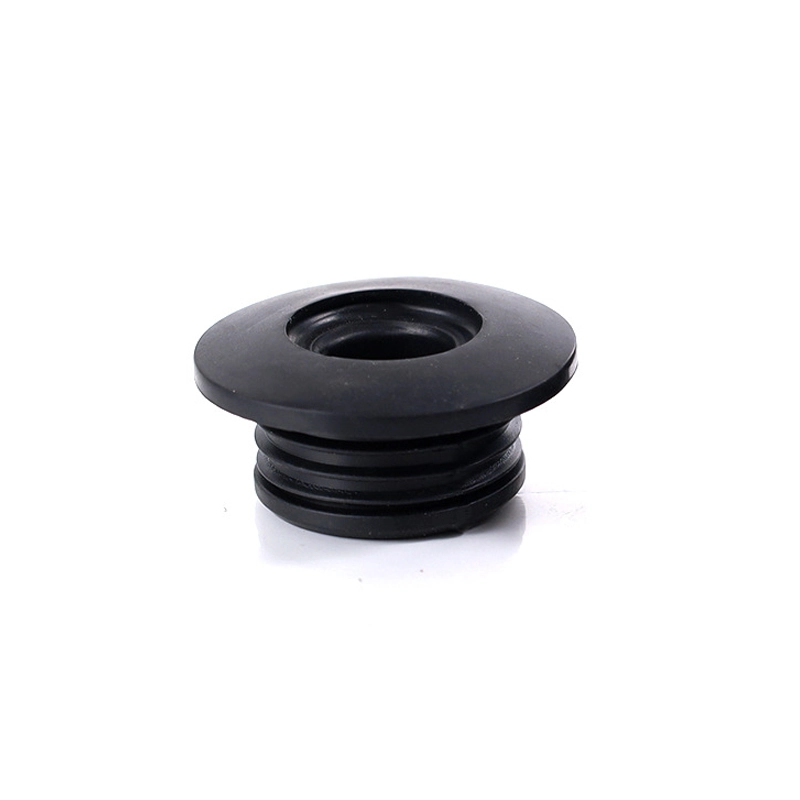 Urinal Sensor Inlet Seal Gasket Factory Replacement
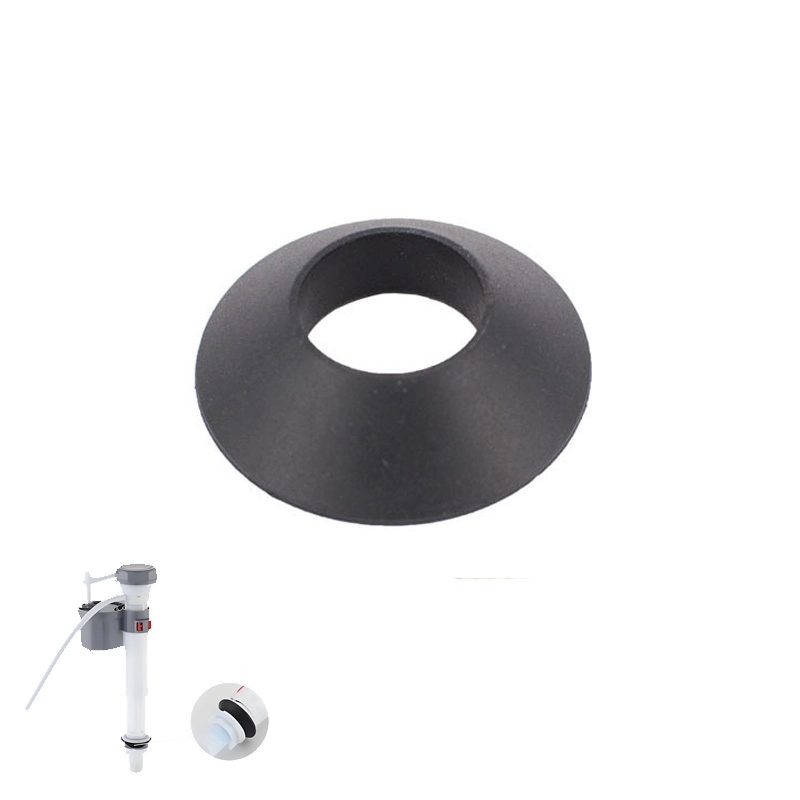 Toilet Tank Fill Valve Conical Seal Factory Replacement
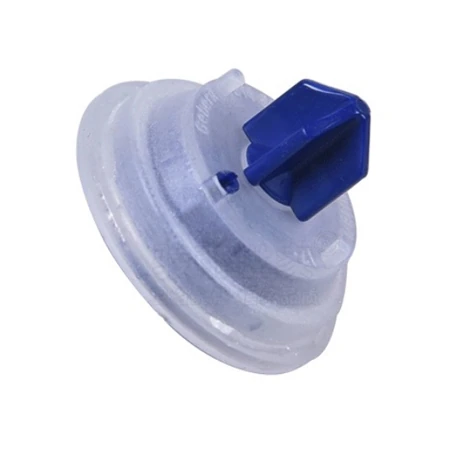 Wholesale Toilet Cistern Inlet Valve Diaphragm Washers
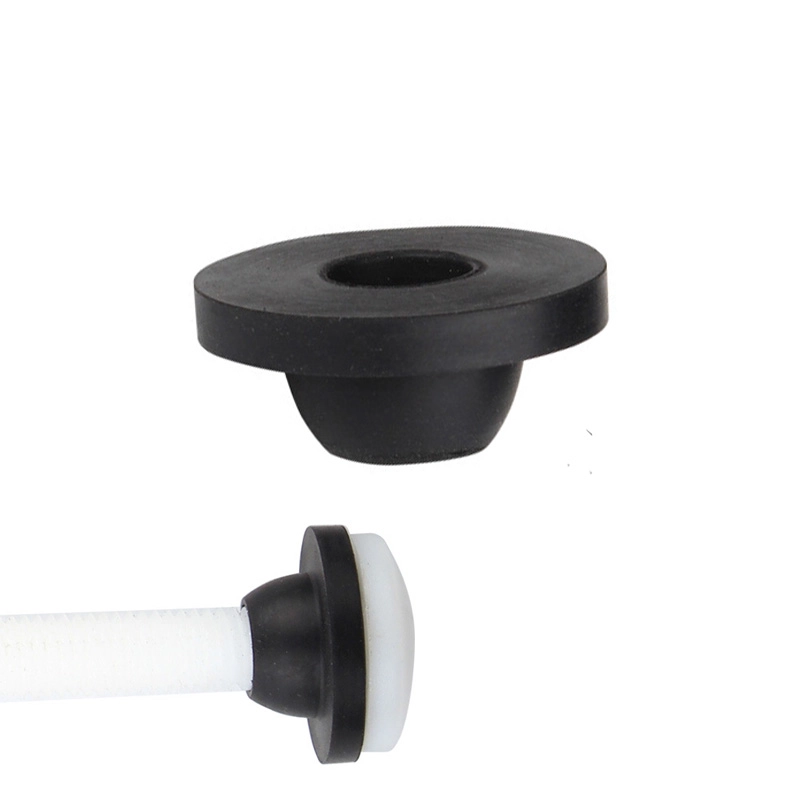 Conical Rubber Washers for Toilet Bolts Factory Wholesale