

How to Measure a Flush Valve for Replacement (Step-by-Step Toilet Repair Guide)
Replacing a toilet flush valve is one of the most effective ways to fix leaks, improve flushing performance, and reduce water waste. However, choosing the correct replacement part starts with accurate measurement.
This practical guide explains how to measure a flush valve for replacement step-by-step, helping homeowners, plumbers, and maintenance professionals make the right choice the first time.
Why Accurate Flush Valve Measurement Matters ⭐
A flush valve is responsible for releasing water from the tank into the bowl during a flush. If the size or type is incorrect, you may experience:
Continuous water leaks
Weak or incomplete flushing
Difficulty installing the new valve
Increased water bills 💧
Correct measurement ensures:
✅ Proper sealing
✅ Efficient flushing performance
✅ Longer component lifespan
✅ Easier installation
Tools You Need Before Measuring 🔧
Prepare the following simple tools:
Measuring tape or ruler
Adjustable wrench
Sponge or towel
Flashlight (optional but helpful)
No professional equipment is required, making this a DIY-friendly task.
Step-by-Step Guide: How to Measure a Flush Valve
1. Turn Off the Water Supply
Locate the shut-off valve behind the toilet and turn it clockwise.
Flush the toilet to drain most of the water from the tank.
👉 Use a sponge or towel to remove remaining water for a clearer view.
2. Measure the Flush Valve Opening Diameter 📐
This is the most important measurement when selecting a replacement flush valve.
How to measure:
Remove the tank lid carefully.
Identify the flush valve opening at the bottom center of the tank.
Measure the inside diameter of the opening.
Common flush valve sizes include:
2-inch flush valve (most standard toilets)
3-inch flush valve (modern high-efficiency toilets)
4-inch flush valve (high-performance flushing systems)
👉 Tip: Always measure across the widest inner edge for accuracy.
3. Measure the Overflow Tube Height 📏
The overflow tube prevents the tank from overfilling.
Measure from the base of the flush valve to the top of the overflow tube.
This helps ensure compatibility with your toilet tank design.
If the replacement valve is too tall or too short, it may cause improper water levels.
4. Check the Tank Drain Hole Size
If you plan to replace the entire flush valve assembly:
Measure the hole underneath the tank where the valve mounts.
This ensures the new valve gasket and locknut will fit securely.
A correct fit prevents leaks between the tank and bowl.
5. Identify Flush Valve Type 🔍
Besides size, also confirm the valve style:
Flapper flush valve
Canister (tower-style) flush valve
Dual flush valve
Matching the type improves installation success and flushing efficiency.
Common Measurement Mistakes to Avoid ⚠️
To improve replacement accuracy and reduce installation issues, avoid these errors:
❌ Measuring the flapper instead of the valve opening
❌ Guessing the size without using a measuring tool
❌ Ignoring overflow tube height
❌ Buying a universal valve without checking specifications
Taking a few extra minutes to measure properly can save hours of repair work later.
When Should You Replace a Flush Valve?
Consider replacement if you notice:
Running toilet sounds
Water leaking into the bowl
Weak or incomplete flushing
Visible cracks or worn seals
Timely replacement improves water efficiency and toilet performance. 🌱
Final Tips for Choosing the Right Replacement Flush Valve
Always compare measurements with manufacturer specifications
Choose durable materials such as ABS plastic or silicone seals
Consider high-efficiency flush valve upgrades for water savings
If unsure, bring the old valve to a hardware store for comparison
Accurate measurement is the key step in ensuring a successful flush valve replacement.
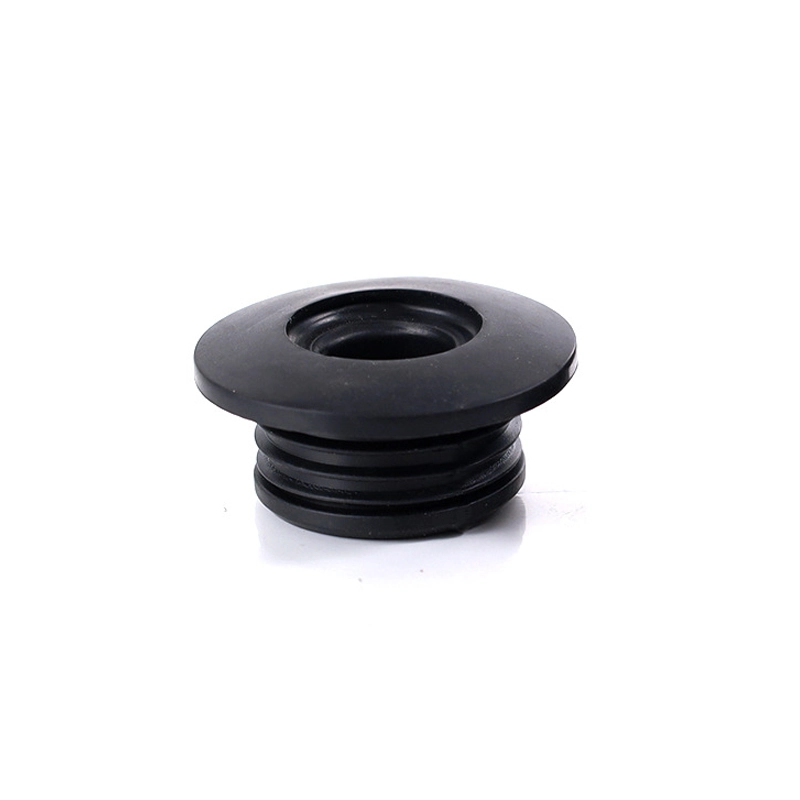 Urinal Sensor Inlet Seal Gasket Factory Replacement
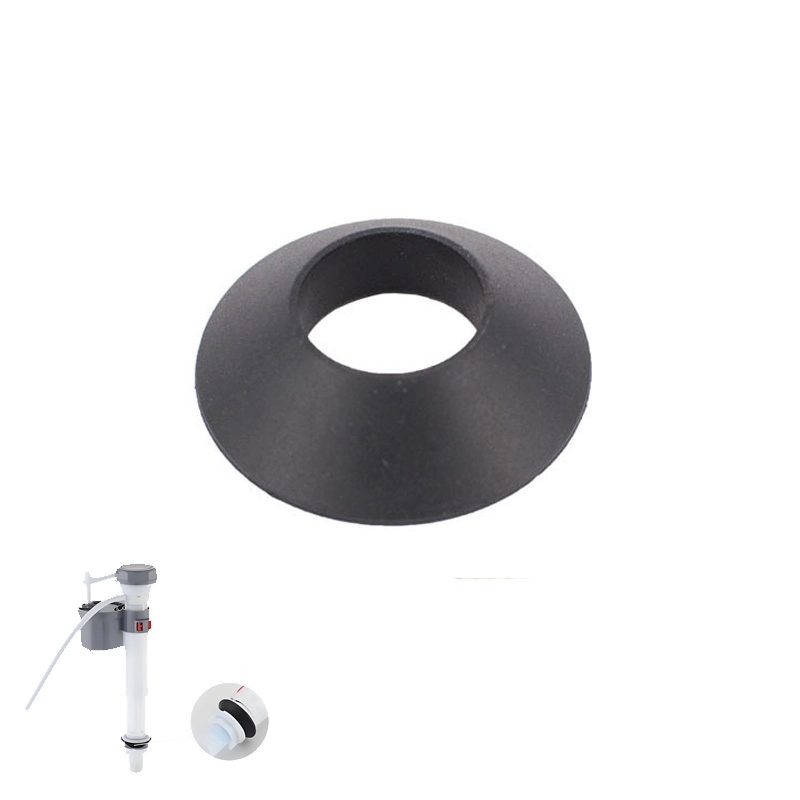 Toilet Tank Fill Valve Conical Seal Factory Replacement
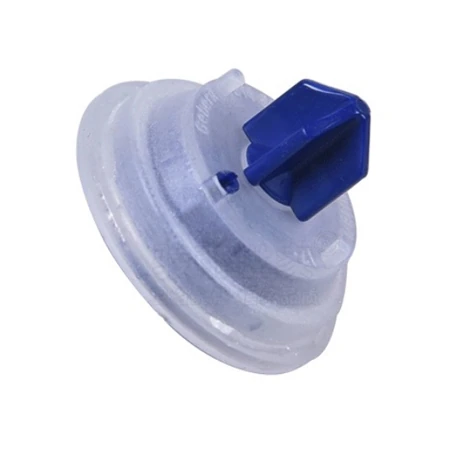 Wholesale Toilet Cistern Inlet Valve Diaphragm Washers
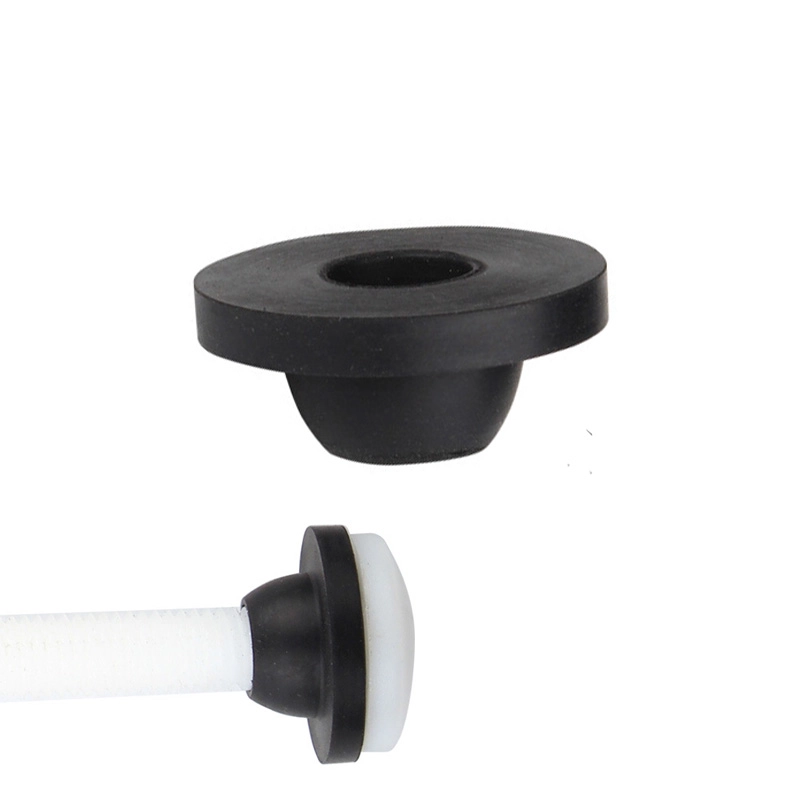 Conical Rubber Washers for Toilet Bolts Factory Wholesale