

How to Replace a Leaking Toilet Seal (Step-by-Step Guide)
Leaking toilet seals are one of the most common plumbing problems in homes, hotels, office buildings, and commercial facilities. A small worn-out seal inside the toilet tank can lead to continuous water running, weak flushing, higher water bills, and even long-term water damage.
The good news is that replacing a leaking toilet seal is usually simple and cost-effective. With the right tools and a high-quality replacement seal, most maintenance teams, facility managers, or homeowners can complete the repair in less than 20 minutes.
This guide explains how to identify, remove, and replace a leaking toilet seal step by step, while also helping you choose durable replacement seals for long-term performance.
What Is a Toilet Seal and Why It Matters
A toilet seal is a rubber or silicone component that prevents water from leaking inside the toilet tank or between connected parts. These seals are critical for maintaining proper flushing performance and water efficiency.
Common types of toilet seals include:
Flush valve seal
Toilet flapper seal
Tank-to-bowl gasket
Fill valve seal
Toilet tank O-ring seal
Urinal flush valve seal
These small components play a major role in preventing water leaks, maintaining pressure, and ensuring smooth flushing. When they wear out, toilets often start running continuously or leaking.
Signs Your Toilet Seal Is Leaking
If you notice any of the following symptoms, your toilet seal may need replacement:
1. Toilet Running Constantly
If water keeps running after flushing, the flush valve seal or flapper may not be sealing properly.
2. Weak or Incomplete Flushing
A damaged seal can prevent the tank from holding enough water, leading to weak flush performance.
3. Water Leaking Around the Toilet Base
If water appears near the base, the tank-to-bowl gasket or seal may be worn.
4. Unusual Noises in the Tank
Hissing or trickling sounds usually indicate water leaking through a damaged seal.
5. Higher Water Bills
Even small leaks can waste hundreds of gallons of water per month.
Early detection helps prevent costly repairs and water damage.
Tools and Materials You Will Need
Before starting, prepare the following tools:
Replacement toilet seal
Adjustable wrench
Screwdriver
Sponge or towel
Bucket
Cleaning cloth
Gloves (optional)
Using high-quality rubber, silicone, or EPDM seals helps improve durability and prevent future leaks.
Step-by-Step Guide: How to Replace a Leaking Toilet Seal
Step 1: Turn Off the Water Supply
Locate the water shut-off valve behind the toilet and turn it clockwise to stop water flow. This prevents water from refilling during the repair.
Step 2: Drain the Toilet Tank
Flush the toilet to empty the tank. Use a sponge or towel to remove any remaining water inside.
Step 3: Remove the Toilet Tank Lid
Carefully lift off the tank lid and place it somewhere safe to avoid breakage.
Step 4: Remove the Old Seal
Locate the leaking seal, usually at the bottom of the flush valve or flapper. Gently remove the old seal and inspect for:
Cracks
Hardening
Deformation
Mineral buildup
Step 5: Clean the Sealing Surface
Use a cloth to clean the contact surface. Remove mineral deposits, debris, and old rubber residue.
This step is important for ensuring a tight seal.
Step 6: Install the New Toilet Seal
Place the new seal into position. Make sure:
Proper alignment
No twisting
Firm seating
Follow manufacturer guidelines for best installation.
Step 7: Turn Water Back On
Turn the water supply back on and allow the tank to refill.
Step 8: Test for Leaks
Flush the toilet 2-3 times and check:
No running water
No tank leaks
Strong flushing performance
If everything works properly, the replacement is complete.
Common Mistakes to Avoid
Avoid these common errors during replacement:
Using incorrect seal size
Installing seal upside down
Overtightening components
Skipping cleaning step
Using low-quality seals
These mistakes can cause leaks to return quickly.
When Should You Replace a Toilet Seal?
You should replace a toilet seal if:
Rubber becomes hard or brittle
Frequent leaks occur
Seal looks cracked or worn
Toilet is more than 3-5 years old
Commercial toilets with heavy usage
Preventive replacement reduces maintenance costs.
Choosing the Right Replacement Toilet Seal
When selecting a replacement seal, consider:
Material Options
Rubber — Cost-effective and widely used
Silicone — Long-lasting and flexible
EPDM — Excellent chemical and water resistance
Compatibility
Choose seals compatible with:
American Standard
Kohler
TOTO
Mansfield
Fluidmaster
Or select universal replacement seals.
Why Choose ZXLSEAL Toilet Seals
ZXLSEAL specializes in manufacturing high-quality toilet and urinal sealing components for global customers.
ZXLSEAL Advantages
High-quality rubber and silicone materials
OEM & ODM customization
Compatible with major brands
Long service life
Factory wholesale pricing
Fast global delivery
ZXLSEAL products are widely used by:
Toilet manufacturers
Flush valve manufacturers
Plumbing distributors
Commercial bathroom suppliers
Maintenance companies
Conclusion
Replacing a leaking toilet seal is a simple but essential maintenance task. A worn seal can waste water, increase costs, and reduce toilet performance. By following this step-by-step guide and using high-quality replacement seals, you can quickly fix leaks and extend the life of your toilet.
For reliable, durable, and cost-effective toilet seal solutions, ZXLSEAL provides professional OEM and wholesale services for global customers.
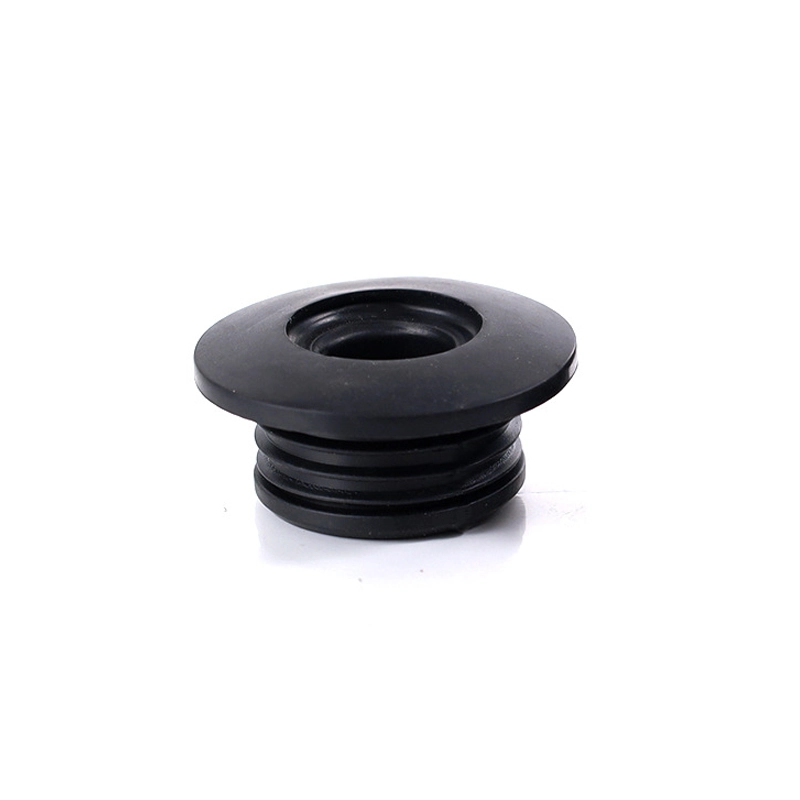 Urinal Sensor Inlet Seal Gasket Factory Replacement
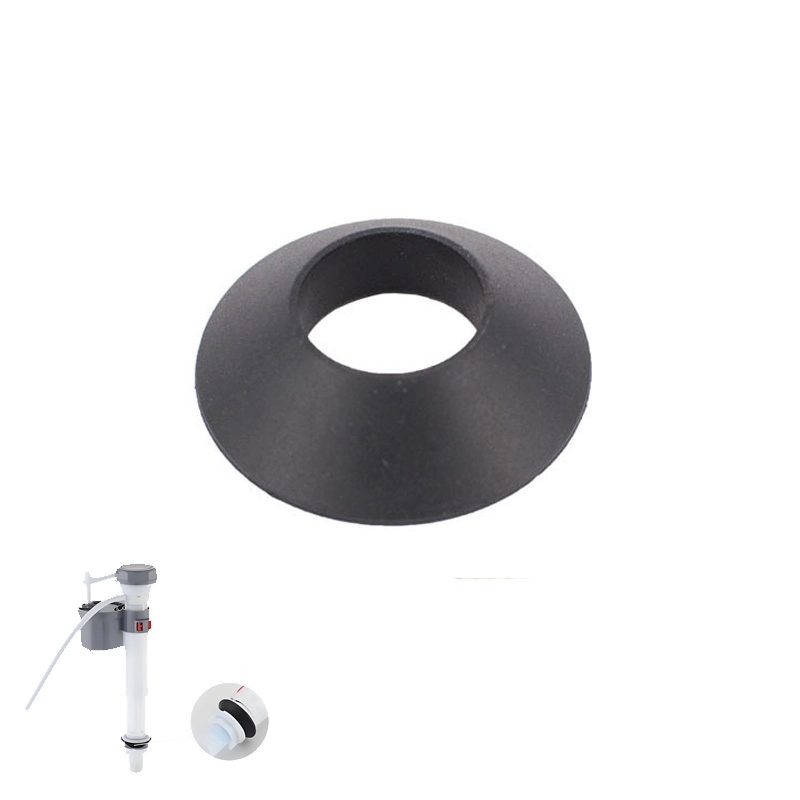 Toilet Tank Fill Valve Conical Seal Factory Replacement
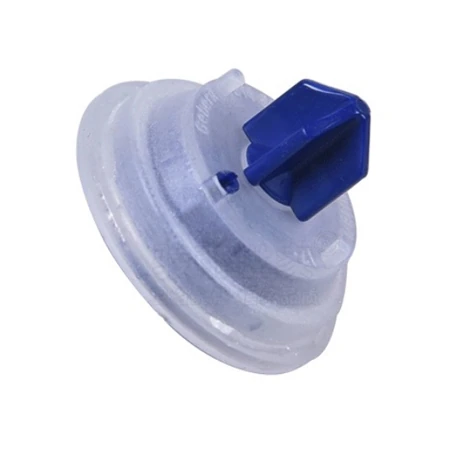 Wholesale Toilet Cistern Inlet Valve Diaphragm Washers
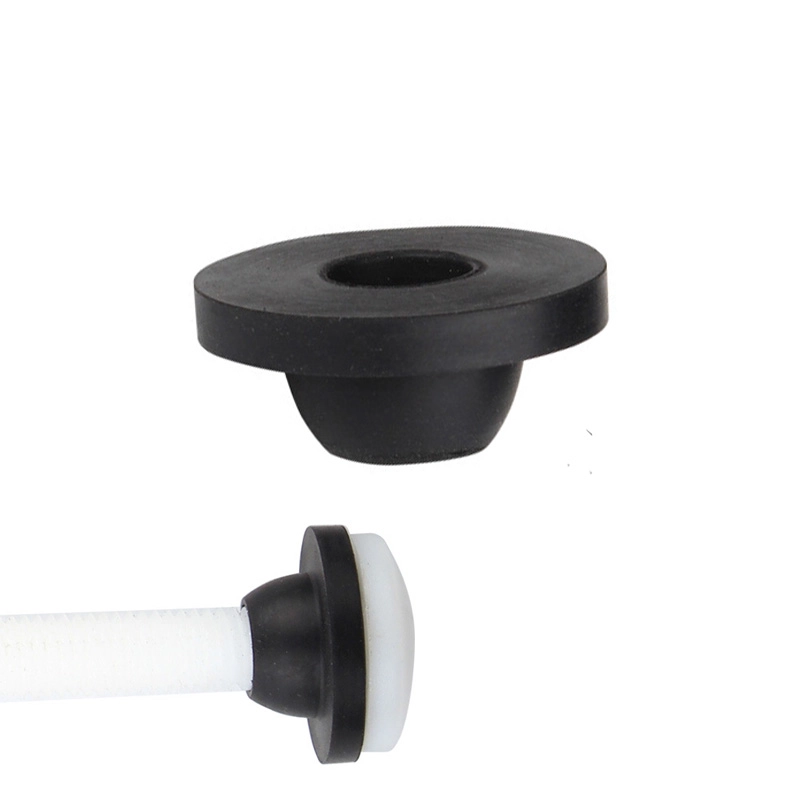 Conical Rubber Washers for Toilet Bolts Factory Wholesale