

Toilet Flush Valve Seal Leaking? Causes, Fixes, and Replacement Guide
A leaking toilet flush valve seal is one of the most common problems in residential and commercial bathrooms. When the flush valve seal fails, water continuously leaks from the tank into the bowl, causing increased water bills, weak flushing, and unnecessary maintenance costs.
For toilet manufacturers, distributors, and maintenance professionals, choosing a high-quality flush valve seal is essential for long-term reliability.
In this guide, we’ll explain:
Why toilet flush valve seals leak
How to identify the problem
How to fix it
How to choose the best replacement seal
What Is a Toilet Flush Valve Seal?
A toilet flush valve seal is a rubber or silicone component located at the bottom of the toilet tank. It controls the release of water during flushing and prevents water from leaking when the toilet is not in use.
The flush valve seal:
Prevents water leakage
Maintains proper flushing performance
Extends toilet lifespan
Reduces water waste
When this seal wears out, leakage begins.
Common Causes of Toilet Flush Valve Seal Leaking
1. Aging Rubber Material
Over time, rubber seals harden and lose flexibility. This reduces sealing performance and leads to leaks.
Common symptoms:
Continuous running water
Weak flushing
Tank slowly draining
Low-quality rubber seals may fail within 6-12 months.
High-quality EPDM or silicone seals can last 3-5 years.
2. Mineral Buildup and Debris
Hard water often leaves mineral deposits around the seal.
This causes:
Poor sealing
Uneven contact
Slow leaks
This is common in commercial buildings and high-usage environments.
3. Improper Seal Size
Using the wrong seal size leads to poor sealing performance.
Common mistakes:
Using universal seal for brand-specific toilet
Using wrong diameter seal
Using incorrect thickness
This is why accurate measurement is important.
4. Deformation from Pressure
Constant flushing causes seal deformation.
This is more common in:
Public restrooms
Hotels
Office buildings
Airports
Commercial toilets need stronger materials.
Signs Your Flush Valve Seal Is Leaking
Look for these warning signs:
Toilet keeps running
Water refilling frequently
Weak flush performance
Higher water bill
Water movement inside bowl
These are early indicators of seal failure.
How to Fix a Leaking Flush Valve Seal
Step 1: Turn Off Water Supply
Close the toilet shut-off valve before starting.
Step 2: Drain the Tank
Flush the toilet to remove water.
Step 3: Remove Old Seal
Remove worn flush valve seal carefully.
Check for:
cracks
hardening
deformation
Step 4: Clean Seal Area
Remove mineral buildup and debris.
Use:
Soft cloth
Mild cleaning solution
Step 5: Install New Flush Valve Seal
Install properly sized seal.
Ensure:
Even placement
No twisting
Proper alignment
Best Materials for Flush Valve Seals
EPDM Rubber
Advantages:
Long lifespan
Water resistant
Chemical resistant
Cost effective
Best for:
Residential toilets
Commercial toilets
Silicone Rubber
Advantages:
Excellent flexibility
High durability
Temperature resistant
Best for:
High-end toilets
Commercial usage
NBR Rubber
Advantages:
Oil resistant
Durable
Best for:
Industrial applications
How to Choose a High-Quality Flush Valve Seal Supplier
When selecting a supplier, consider:
Material quality
Manufacturing experience
Customization support
Fast delivery
Stable quality
Professional manufacturers provide better long-term value.
Why Choose ZXLSEAL Flush Valve Seals
ZXLSEAL provides:
High-quality rubber materials
OEM customization
Global export experience
Strict quality control
Fast production time
ZXLSEAL seals are designed for:
Toilet manufacturers
Flush valve manufacturers
Distributors
Maintenance companies
Conclusion
A leaking toilet flush valve seal can waste water, increase costs, and reduce toilet performance. Identifying the cause and replacing the seal with high-quality materials can solve the problem quickly.
Choosing a reliable supplier ensures long-lasting performance and reduced maintenance costs.
Contact ZXLSEAL today for high-quality toilet flush valve seals and customized solutions.
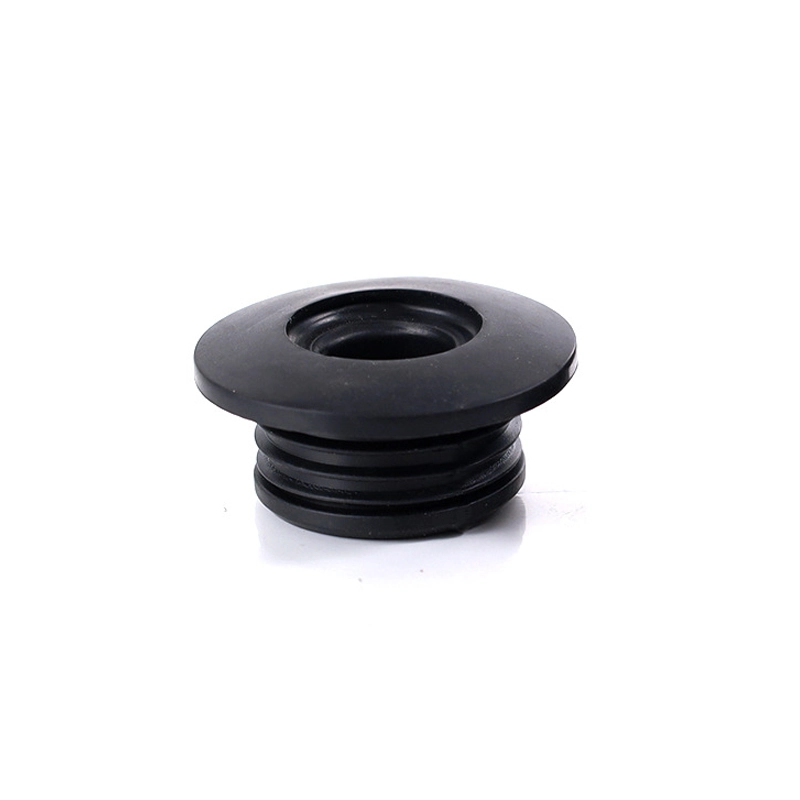 Urinal Sensor Inlet Seal Gasket Factory Replacement
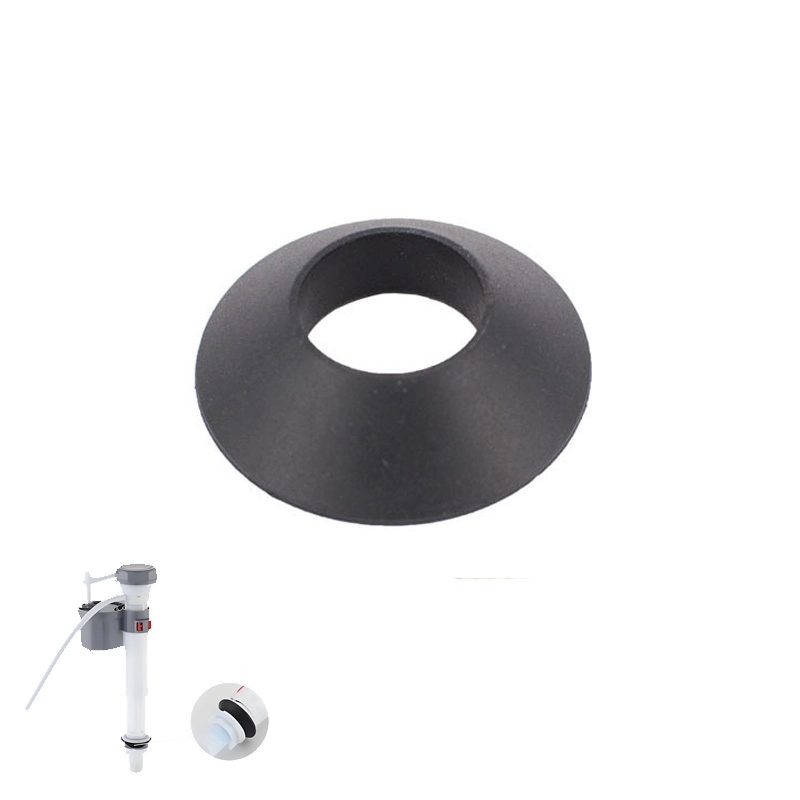 Toilet Tank Fill Valve Conical Seal Factory Replacement
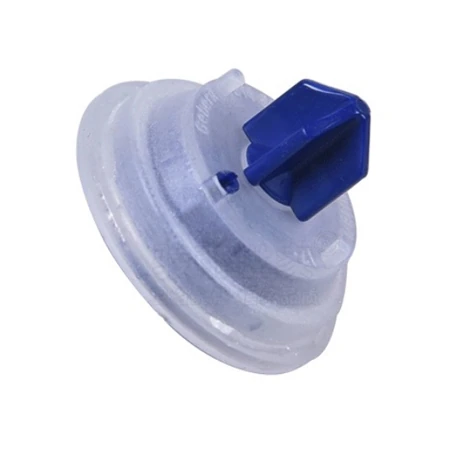 Wholesale Toilet Cistern Inlet Valve Diaphragm Washers
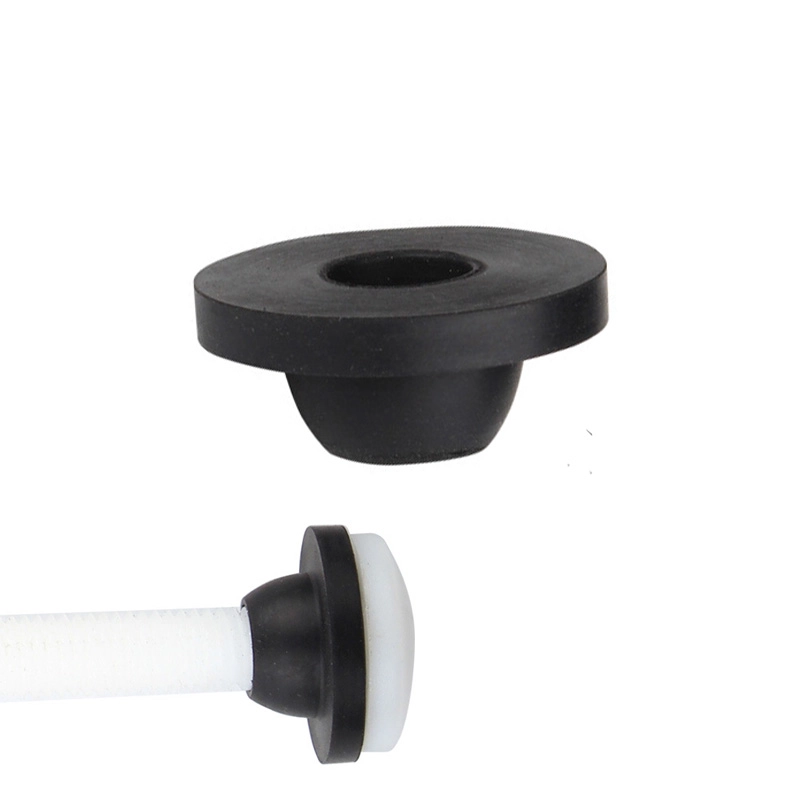 Conical Rubber Washers for Toilet Bolts Factory Wholesale