

What Is the Best Material for Camper Toilet Seals?
Camper toilets are essential components in RVs, motorhomes, caravans, and mobile sanitation systems. Unlike household toilets, camper toilets operate in more demanding environments, including temperature fluctuations, chemical exposure, vibration during travel, and limited water usage. Because of these challenges, choosing the right material for camper toilet seals is critical to ensure long-lasting performance and leak-free operation.
Poor-quality toilet seals can lead to water leakage, unpleasant odors, frequent maintenance, and costly replacements. For manufacturers, distributors, and RV owners, selecting the best material helps improve reliability and reduce long-term costs.
In this guide, we will explore the most common materials used for camper toilet seals, compare their performance, and help you determine the best option for your application. As a professional OEM toilet seal manufacturer, ZXLSEAL provides high-quality sealing solutions designed for global toilet manufacturers, valve producers, and sanitary ware distributors.
Why Camper Toilet Seal Material Matters
Prevents Water Leakage
The primary function of a camper toilet seal is to create a watertight barrier between the toilet tank, flush valve, and bowl. A high-quality material maintains flexibility and compression over time, preventing leaks and water waste.
Resists Harsh Chemicals
Camper toilets often use chemical additives for odor control and sanitation. These chemicals can degrade inferior rubber materials quickly. A high-quality seal material must resist chemical corrosion and maintain its shape.
Withstands Temperature Changes
Camper toilets are exposed to extreme temperatures. In winter, seals may harden and crack, while in summer, they may soften and deform. Durable materials remain flexible across a wide temperature range.
Ensures Long-Term Durability
High-quality materials reduce maintenance frequency and extend product lifespan. This is especially important for OEM manufacturers and distributors who want to minimize warranty claims.
Most Common Materials Used for Camper Toilet Seals
1. EPDM Rubber (Best Overall Choice)
EPDM (Ethylene Propylene Diene Monomer) is the most commonly used material for camper toilet seals. It offers excellent resistance to water, weather, ozone, and UV exposure.
Advantages of EPDM
Excellent water resistance
Good flexibility and elasticity
Resistant to aging and weathering
Long service life
Cost-effective solution
EPDM seals perform well in outdoor environments and are ideal for mobile sanitation systems like camper toilets.
Best Applications
Camper toilet flush valve seals
Toilet fill valve seals
Toilet tank gaskets
RV sanitation systems
Because of its balanced performance and affordability, EPDM is widely considered the best overall material for camper toilet seals.
2. Silicone Rubber (Premium Performance Option)
Silicone rubber is a premium sealing material known for its exceptional temperature resistance and flexibility. Silicone seals maintain performance even in extreme weather conditions.
Advantages of Silicone
Wide temperature range (-60°C to 230°C)
Excellent flexibility
Superior aging resistance
Non-toxic and environmentally friendly
Long service life
Silicone is particularly suitable for high-end RV toilets and premium sanitation systems.
Limitations
Higher material cost
Slightly lower tear resistance compared to EPDM
Best Applications
High-end camper toilets
Extreme weather environments
Premium OEM toilet seal manufacturing
If budget allows, silicone is an excellent choice for maximum durability.
3. NBR (Nitrile Rubber)
NBR rubber is commonly used in sealing applications that require moderate chemical resistance and cost efficiency.
Advantages of NBR
Good oil and chemical resistance
Affordable material cost
Reliable sealing performance
Limitations
Limited UV resistance
Moderate temperature tolerance
Shorter lifespan than EPDM or silicone
Best Applications
Budget-friendly camper toilets
Indoor sanitation systems
Temporary sealing applications
NBR is suitable for cost-sensitive OEM projects.
4. PVC or Plastic Seals (Low-Cost Option)
PVC and plastic seals are sometimes used in low-end camper toilets due to their low manufacturing cost.
Advantages
Low production cost
Easy to manufacture
Disadvantages
Poor flexibility
Short lifespan
Cracks easily under temperature changes
Limited sealing performance
PVC seals are generally not recommended for long-term camper toilet use.
Comparison of Camper Toilet Seal Materials
| Material | Durability | Temperature Resistance | Chemical Resistance | Cost | Recommendation |
|---|---|---|---|---|---|
| EPDM | Excellent | High | Excellent | Medium | Best Overall |
| Silicone | Premium | Very High | Excellent | High | Premium Option |
| NBR | Good | Medium | Good | Low | Budget Option |
| PVC | Poor | Low | Poor | Very Low | Not Recommended |
Best Material Recommendation
Best Overall Choice: EPDM Rubber
EPDM provides the best balance of durability, flexibility, and cost. It is widely used in camper toilets and RV sanitation systems worldwide.
Best Premium Option: Silicone Rubber
For extreme weather conditions or high-end applications, silicone offers the longest service life.
Best Budget Option: NBR Rubber
NBR provides acceptable performance at a lower cost, making it suitable for economical solutions.
Key Factors When Choosing Camper Toilet Seal Material
When selecting a camper toilet seal material, consider the following factors:
Temperature Resistance
Camper toilets operate in both hot and cold environments. Choose materials that remain flexible.
Chemical Compatibility
Ensure the material resists cleaning agents and deodorizing chemicals.
Compression Set Performance
High-quality seals maintain their shape after repeated use.
Customization Requirements
OEM buyers often require:
Custom size
Custom hardness
Custom color
Custom material
Professional manufacturers like ZXLSEAL provide full OEM customization.
Why Choose ZXLSEAL for Camper Toilet Seals
ZXLSEAL specializes in manufacturing high-quality toilet sealing solutions for global customers.
Professional OEM Manufacturer
Custom design capability
Mold development support
Flexible production volume
High-Quality Materials
EPDM
Silicone
NBR
Custom rubber compounds
Wide Product Range
Camper toilet seals
Flush valve seals
Fill valve seals
Urinal seals
Toilet tank gaskets
Global B2B Supply
Fast delivery
Competitive pricing
Stable product quality
How to Extend Camper Toilet Seal Lifespan
To maximize seal performance:
Choose high-quality materials
Avoid harsh chemicals
Perform regular inspections
Replace worn seals promptly
Proper maintenance significantly extends service life.
Conclusion
Choosing the best material for camper toilet seals is essential for ensuring leak-free performance, durability, and long-term reliability. Among all available materials, EPDM rubber offers the best overall balance of performance and cost. Silicone provides premium durability, while NBR offers a budget-friendly alternative.
For manufacturers, distributors, and RV equipment suppliers, working with a professional OEM manufacturer like ZXLSEAL ensures high-quality camper toilet seals tailored to your specific requirements.
FAQ
What is the longest-lasting camper toilet seal material?
Silicone and EPDM typically provide the longest lifespan.
Is EPDM better than silicone?
EPDM is more cost-effective, while silicone performs better in extreme temperatures.
How often should camper toilet seals be replaced?
Typically every 2–5 years depending on usage and material quality.
Can camper toilet seals be customized?
Yes. ZXLSEAL offers OEM customization including size, material, and hardness.
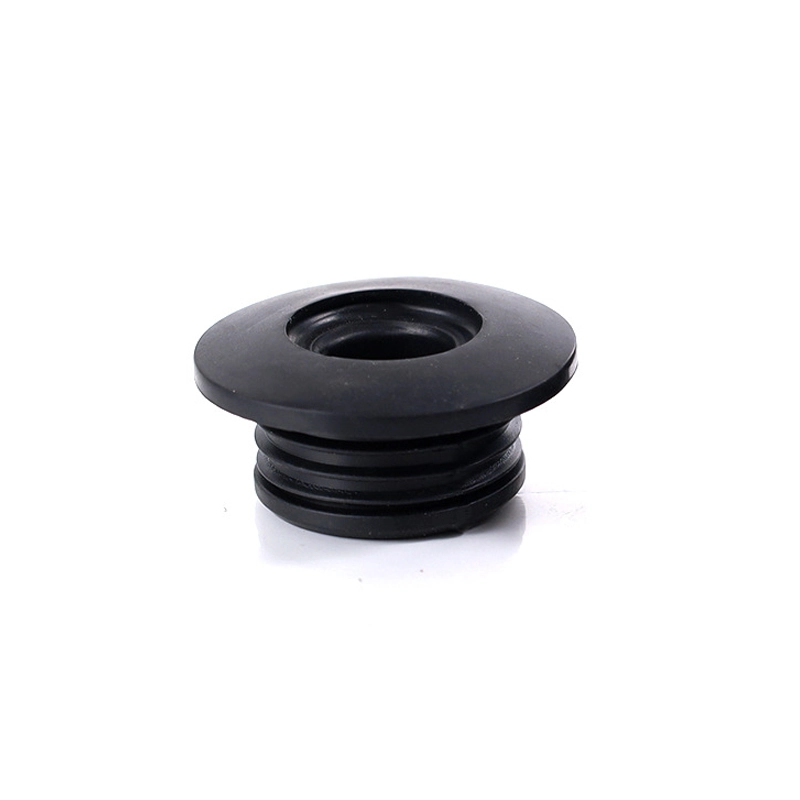 Urinal Sensor Inlet Seal Gasket Factory Replacement
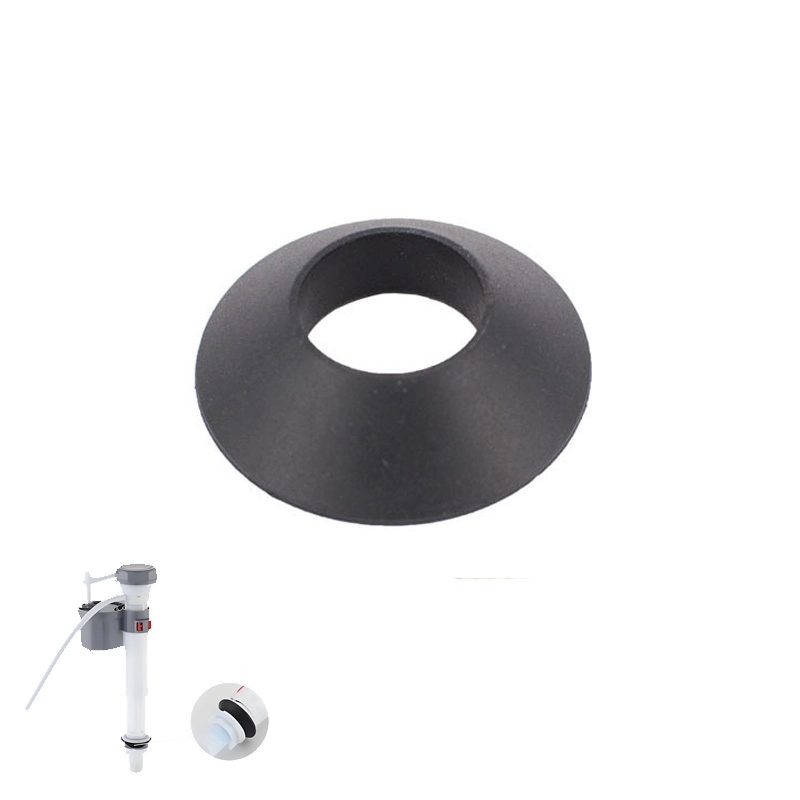 Toilet Tank Fill Valve Conical Seal Factory Replacement
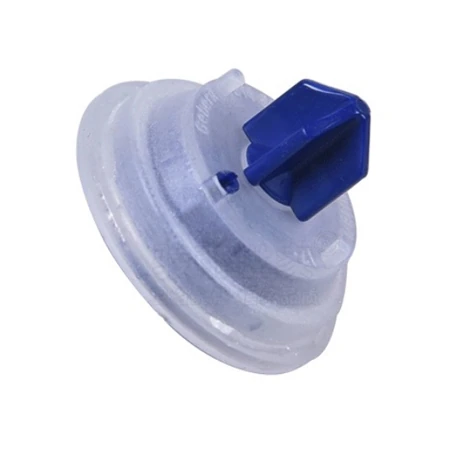 Wholesale Toilet Cistern Inlet Valve Diaphragm Washers
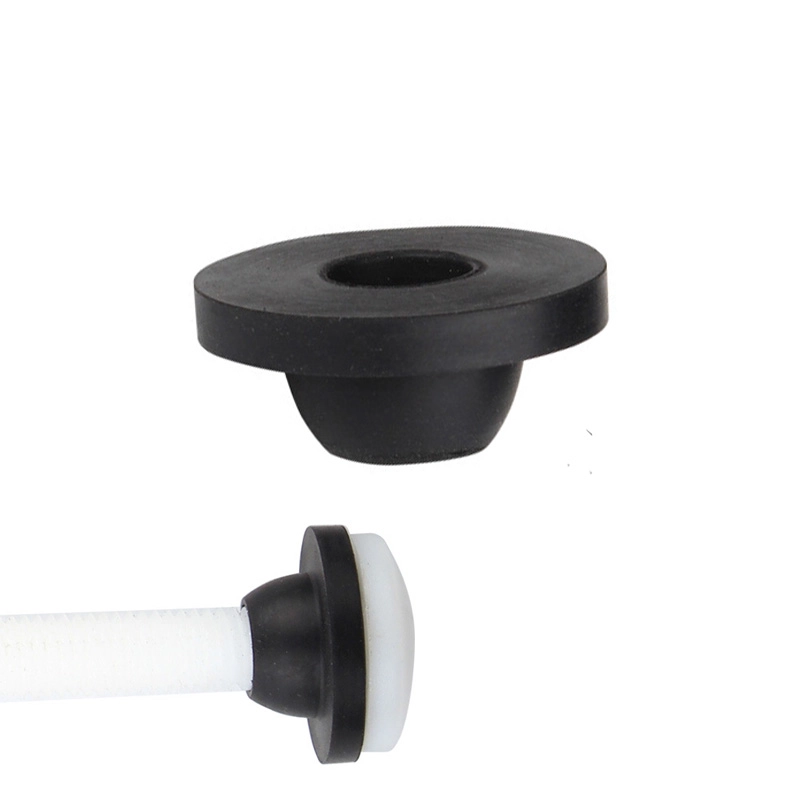 Conical Rubber Washers for Toilet Bolts Factory Wholesale