

How to Replace a Toilet Flange Seal (Step-by-Step Guide)
How to Replace a Toilet Flange Seal (Step-by-Step Guide)
A leaking toilet is one of the most common bathroom problems in homes, commercial buildings, and RVs. In many cases, the issue is caused by a worn or damaged toilet flange seal. This small but critical component creates a watertight connection between the toilet base and the drain pipe.
When the flange seal fails, water can leak onto the floor, unpleasant odors may develop, and long-term damage to flooring or subfloor structures can occur. The good news is that replacing a toilet flange seal is a straightforward process if you follow the right steps.
In this guide, we'll walk you through how to replace a toilet flange seal, what tools you'll need, common mistakes to avoid, and expert tips to ensure a long-lasting, leak-free installation.
This guide is useful for:
Homeowners
Plumbers
Contractors
Toilet manufacturers
Bathroom distributors
1. What Is a Toilet Flange Seal?
A toilet flange seal sits between the toilet base and the drain pipe flange. Its main purpose is to create a watertight and airtight seal to prevent leaks and odors.
There are several types of toilet flange seals available:
Wax Ring Seal
Traditional and widely used
Affordable and reliable
One-time installation only
Rubber Flange Seal
Reusable in some cases
More durable than wax
Ideal for commercial and modern toilets
Foam Toilet Seal
Easy installation
Lightweight
Good for uneven floors
Wax-Free Toilet Seal
Clean installation
Long-lasting performance
Increasingly popular in modern bathrooms
For OEM manufacturers and distributors, rubber and silicone seals are becoming the preferred choice due to durability and consistent performance.
2. Signs You Need to Replace a Toilet Flange Seal
Not sure whether your flange seal needs replacement? Here are the most common signs:
Water leaking around the toilet base
Bad smell coming from the toilet area
Toilet rocking or wobbling
Water stains on the floor
Mold or mildew near the toilet base
Loose toilet installation
If you notice one or more of these symptoms, it's best to replace the flange seal as soon as possible.
3. Tools and Materials You'll Need
Before starting, gather the following tools and materials:
Tools
Adjustable wrench
Screwdriver
Putty knife
Bucket
Sponge or towel
Gloves
Materials
New toilet flange seal
New closet bolts (recommended)
Cleaning cloth
Optional flange repair ring
Using high-quality replacement seals is important to ensure long-term performance.
4. Step-by-Step: How to Replace a Toilet Flange Seal
Step 1: Turn Off the Water Supply
Locate the water shut-off valve behind the toilet and turn it clockwise to shut off the water supply. Flush the toilet to empty the tank and bowl. Use a sponge or towel to remove any remaining water.
Step 2: Disconnect the Water Supply Line
Use an adjustable wrench to disconnect the water supply line from the tank. Place a towel underneath to catch any remaining water.
Step 3: Remove the Toilet
Remove the decorative caps covering the bolts at the toilet base. Unscrew the closet bolts using a wrench.
Carefully lift the toilet straight up. Toilets can be heavy, so consider asking for assistance if needed. Place the toilet on a towel or cardboard to avoid damaging the floor.
Step 4: Remove the Old Flange Seal
Use a putty knife to scrape away the old wax or rubber seal. Make sure to remove all residue from the flange surface.
Inspect the flange carefully for:
Cracks
Rust
Damage
Loose mounting
If the flange is damaged, consider using a flange repair ring.
Step 5: Install the New Toilet Flange Seal
Place the new flange seal onto the flange or the toilet outlet, depending on the product design.
Make sure:
Seal is centered properly
Bolts are aligned correctly
Seal sits flat on the flange
Proper alignment is critical to prevent leaks.
Step 6: Reinstall the Toilet
Carefully lift the toilet and align it with the flange bolts. Lower the toilet slowly and evenly.
Press down gently to compress the seal. Tighten the bolts gradually and evenly on both sides.
Avoid overtightening, which may crack the toilet base.
Step 7: Reconnect the Water Supply
Reconnect the water supply line to the toilet tank. Turn the shut-off valve counterclockwise to restore water supply.
Allow the tank to refill completely.
Step 8: Test for Leaks
Flush the toilet several times and check for leaks around the base.
Also check:
Toilet stability
Water flow
Odor issues
If everything looks good, your installation is complete.
5. Common Mistakes to Avoid
Here are some common installation mistakes:
Reusing old wax ring
Not cleaning old seal properly
Using wrong seal size
Overtightening bolts
Installing toilet unevenly
Avoiding these mistakes helps ensure long-lasting performance.
6. Wax Ring vs Wax-Free Seal: Which Is Better?
Wax Ring Advantages
Low cost
Proven reliability
Widely used
Wax-Free Seal Advantages
Cleaner installation
Reusable in some cases
Better for uneven floors
Longer lifespan
For manufacturers and distributors, wax-free rubber seals are increasingly preferred for modern toilets.
7. When to Replace the Toilet Flange
Sometimes the flange itself needs replacement. Watch for:
Broken flange
Rusted metal flange
Loose flange
Improper installation height
Replacing the flange at the same time ensures optimal sealing performance.
8. Professional Tips for Long-Lasting Toilet Seal Performance
Use high-quality rubber materials
Ensure proper installation alignment
Replace bolts during installation
Inspect seals regularly
Choose OEM-grade components
These practices help reduce maintenance and improve customer satisfaction.
9.Why Choose ZXLSEAL Toilet Flange Seals
ZXLSEAL specializes in manufacturing high-quality toilet sealing components for global B2B customers.
We provide:
OEM customization services
High-quality rubber & silicone materials
Leak-proof design
Long service life
Fast global delivery
Support for toilet manufacturers and distributors
Our toilet flange seals are widely used in:
Residential toilets
Commercial bathrooms
RV toilets
Wall-hung toilets
One-piece toilets
Conclusion
Replacing a toilet flange seal is a simple but essential maintenance task. With the right tools, proper installation, and high-quality sealing components, you can prevent leaks and extend the life of your toilet.
Whether you're a plumber, contractor, or toilet manufacturer, choosing reliable sealing solutions makes all the difference.
ZXLSEAL provides professional OEM toilet flange seals designed for durability, performance, and global B2B supply.
FAQ
How often should you replace a toilet flange seal?
Typically every 5–10 years, depending on usage and material quality.
Can I reuse a wax ring?
No, wax rings should not be reused. Always install a new one.
What size toilet flange seal do I need?
Most toilets use standard 3-inch or 4-inch flange seals.
How long does installation take?
Usually 30–60 minutes.
Do I need a plumber?
Not necessarily. Many homeowners can complete this DIY project.
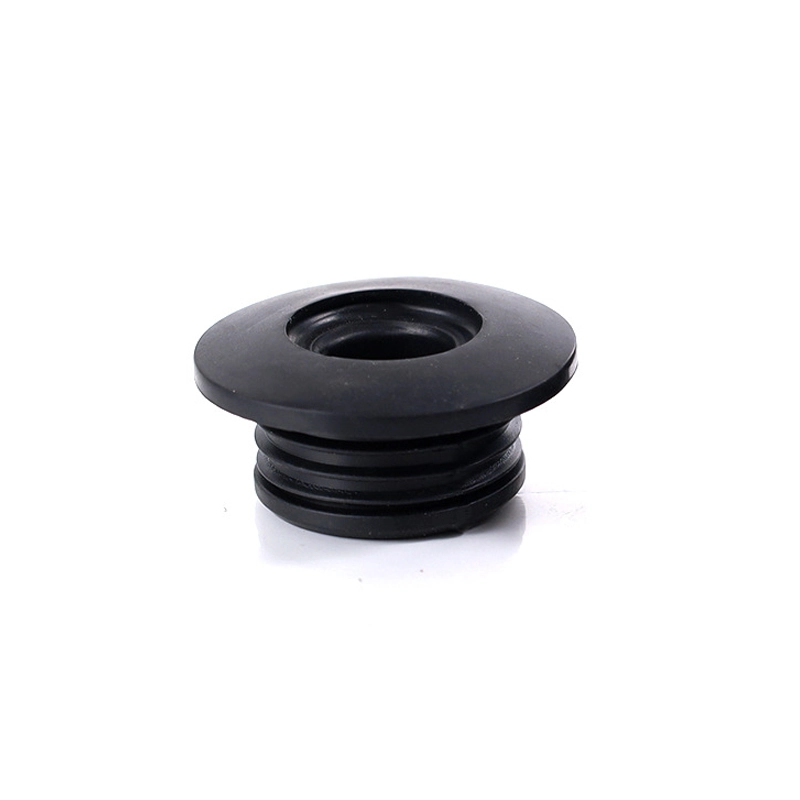 Urinal Sensor Inlet Seal Gasket Factory Replacement
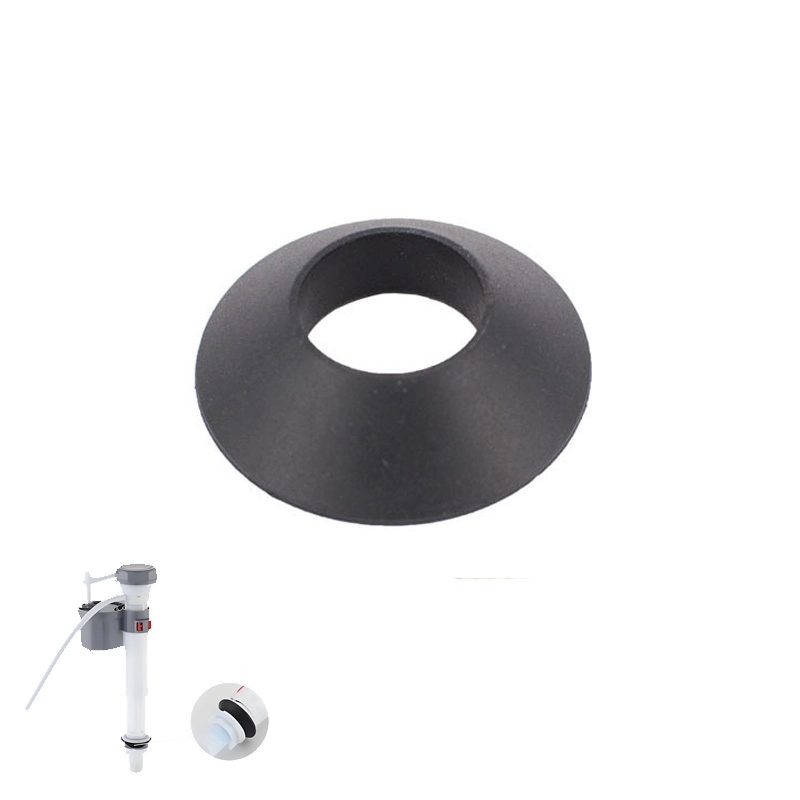 Toilet Tank Fill Valve Conical Seal Factory Replacement
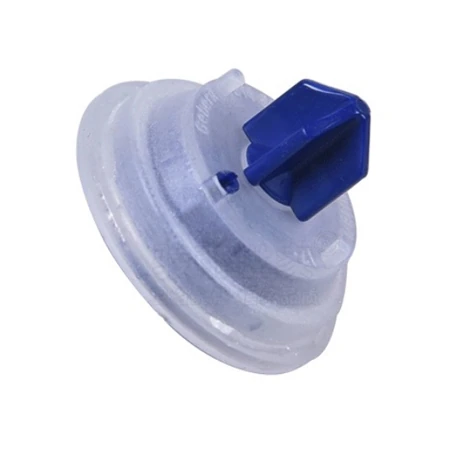 Wholesale Toilet Cistern Inlet Valve Diaphragm Washers
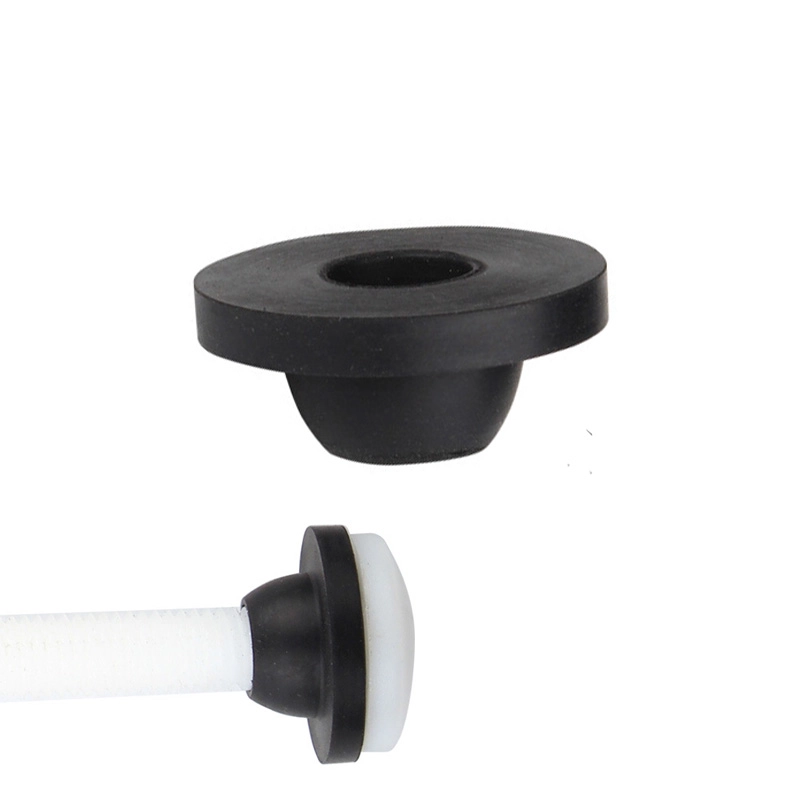 Conical Rubber Washers for Toilet Bolts Factory Wholesale