

Toilet Leaking? Replace Flange Seal — A Complete Guide for Manufacturers, Distributors, and OEM Buyers
A leaking toilet is one of the most common plumbing problems in residential, commercial, and industrial bathrooms. While many people assume the issue comes from the tank components, in many cases the real culprit is the toilet flange seal. When this small but critical component fails, it can lead to water damage, unpleasant odors, and costly repairs.
For toilet manufacturers, plumbing distributors, and OEM buyers, understanding toilet flange seal replacement is essential—not only for maintenance but also for product reliability and customer satisfaction.
At ZXLSEAL, we specialize in OEM toilet flange seals, fill valve seals, flush valve seals, urinal seals, and squat toilet tank seals, designed for global manufacturers and distributors seeking high-quality sealing solutions.
This guide explains why toilets leak, when to replace flange seals, and how OEM buyers can select the right materials and designs.
What Is a Toilet Flange Seal?
A toilet flange seal sits between the toilet base and the floor flange, creating a watertight and odor-proof connection between the toilet and the drain pipe.
Its main functions include:
Preventing water leakage
Blocking sewer gas odors
Stabilizing the toilet base
Ensuring long-term sealing performance
Common types of toilet flange seals include:
Wax ring seals
Rubber flange seals
Foam flange seals
Hybrid wax-free seals
EPDM custom molded seals
Among these, rubber and EPDM flange seals are becoming increasingly popular in OEM manufacturing due to their durability and environmental benefits.
Signs Your Toilet Flange Seal Needs Replacement
A damaged flange seal can cause multiple issues. If you notice any of the following, replacement is recommended:
1. Water Around the Toilet Base
One of the most obvious signs is water pooling around the bottom of the toilet. This usually happens when the flange seal has deteriorated or shifted.
2. Bad Odors from the Bathroom
A failing flange seal allows sewer gases to escape, creating unpleasant odors even if the toilet appears to function normally.
3. Toilet Feels Loose or Wobbly
A loose toilet often indicates that the seal underneath has compressed or broken down.
4. Floor Damage or Stains
Over time, leaking water may cause:
Floor discoloration
Mold growth
Soft or damaged flooring
This can lead to expensive structural repairs if not addressed early.
Common Causes of Flange Seal Failure
Understanding the causes helps manufacturers design better sealing solutions.
Aging Materials
Traditional wax rings degrade over time, especially under:
Temperature fluctuations
Heavy usage
Chemical exposure
Rubber and EPDM materials provide longer service life compared to wax.
Improper Installation
Incorrect installation can lead to:
Uneven compression
Seal shifting
Incomplete sealing
OEM-designed flange seals with precision dimensions reduce installation errors.
Toilet Movement
Frequent movement or improper mounting can break the seal, especially in:
Commercial restrooms
Public facilities
RV toilets
Portable toilets
Durable rubber flange seals perform better in these environments.
Types of Toilet Flange Seals for OEM Buyers
For manufacturers and distributors, choosing the right flange seal is critical.
Wax Ring Seals
Advantages:
Low cost
Widely used
Disadvantages:
Short lifespan
Messy installation
Not reusable
Wax rings are still common but gradually being replaced by modern rubber seals.
Rubber Flange Seals
Advantages:
Long lifespan
Clean installation
Reusable in some designs
Better sealing performance
Rubber seals are widely used in OEM toilet manufacturing.
Foam Flange Seals
Advantages:
Lightweight
Easy installation
Disadvantages:
Lower durability
Limited heavy-duty use
Foam seals are often used in light-duty applications.
EPDM Custom Flange Seals
EPDM material offers:
Excellent temperature resistance
Chemical resistance
Long-term elasticity
NSF-grade material availability
At ZXLSEAL, we provide custom EPDM flange seals for global OEM clients.
How to Replace a Toilet Flange Seal
Replacing a flange seal is straightforward but requires proper steps.
Step 1: Turn Off Water Supply
Shut off the water valve and flush the toilet to empty the tank.
Step 2: Remove the Toilet
Disconnect the water line and remove mounting bolts.
Lift the toilet carefully.
Step 3: Remove Old Seal
Remove the old wax or rubber seal from the flange.
Clean the flange surface thoroughly.
Step 4: Install New Flange Seal
Place the new seal on:
Toilet outlet
orFloor flange (depending on design)
Ensure proper alignment.
Step 5: Reinstall Toilet
Lower the toilet evenly onto the flange.
Tighten bolts evenly to avoid cracking.
Step 6: Test for Leaks
Reconnect water supply and flush multiple times.
Check for:
Water leaks
Toilet stability
Odor issues
Why OEM Buyers Choose Custom Flange Seals
OEM customization offers several advantages:
Precise Fit
Custom molds ensure:
Better sealing
Faster installation
Reduced leakage complaints
Brand Differentiation
Custom seals help manufacturers:
Improve product quality
Enhance brand reputation
Reduce warranty costs
Material Customization
Available materials include:
EPDM
Silicone
NBR
TPE
NSF-certified materials are available for North American markets.
Why Choose ZXLSEAL as Your OEM Flange Seal Manufacturer
ZXLSEAL provides professional OEM sealing solutions for:
Toilet manufacturers
Flush valve manufacturers
Fill valve manufacturers
Urinal manufacturers
RV toilet manufacturers
Plumbing distributors
Our advantages include:
OEM & ODM support
EPDM custom molding
NSF material availability
Low MOQ support (5000+)
Global export experience
Stable quality control
We focus on long-lasting sealing performance for global bathroom product manufacturers.
Conclusion
A leaking toilet is often caused by a failing flange seal, but replacing it with a high-quality rubber or EPDM seal can prevent future issues.
For manufacturers and distributors, choosing the right flange seal improves:
Product reliability
Customer satisfaction
Brand competitiveness
ZXLSEAL offers custom OEM toilet flange seals designed for global markets, ensuring durable and leak-proof performance.
If you're looking for a reliable toilet flange seal manufacturer, ZXLSEAL is ready to support your OEM needs.
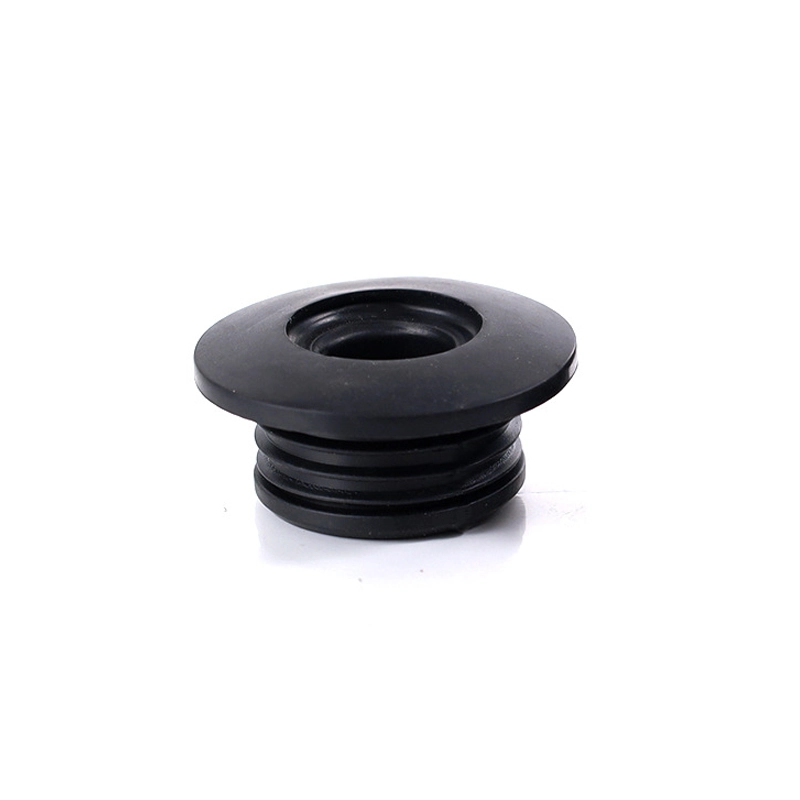 Urinal Sensor Inlet Seal Gasket Factory Replacement
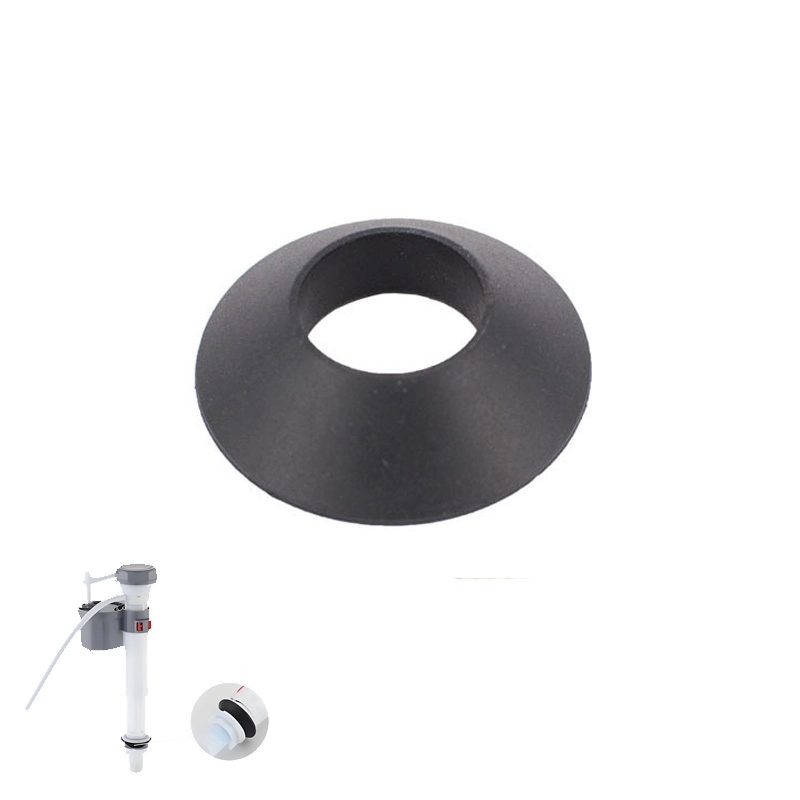 Toilet Tank Fill Valve Conical Seal Factory Replacement
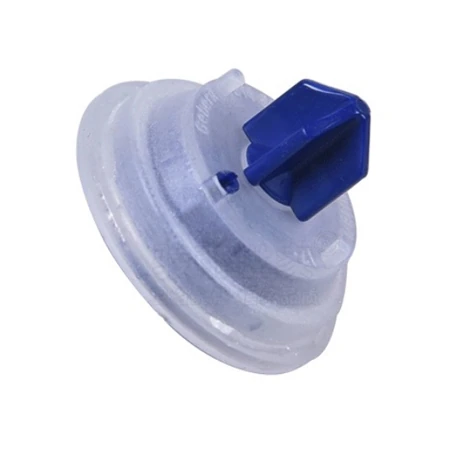 Wholesale Toilet Cistern Inlet Valve Diaphragm Washers
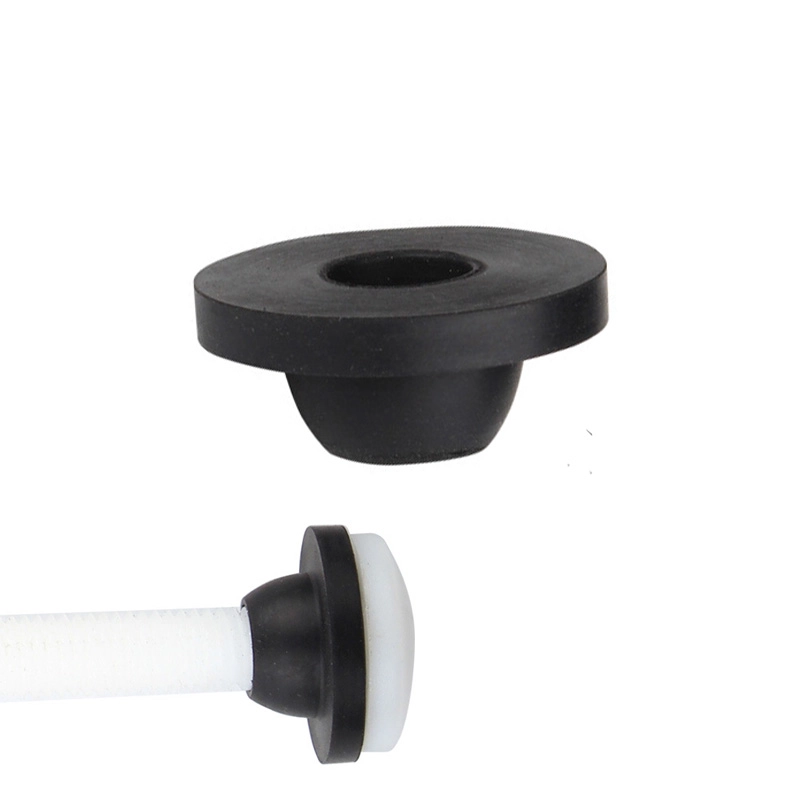 Conical Rubber Washers for Toilet Bolts Factory Wholesale