

How Do I Fix an Overflowing Toilet Without a Plunger? Easy DIY Guide
An overflowing toilet is one of the most stressful plumbing problems in any home, hotel, or commercial restroom. Water spilling onto the floor can cause damage, create hygiene risks, and lead to costly repairs if not handled quickly. But what if you don’t have a plunger nearby?
The good news is that you can fix an overflowing toilet without a plunger using several simple methods. In many cases, the issue is caused by a faulty flush valve seal, fill valve seal, or toilet tank component — problems that are easy to diagnose and repair.
In this guide, we’ll walk you through step-by-step solutions, explain why toilets overflow, and show how manufacturers and distributors can prevent these issues with high-quality OEM toilet seals.
Why Is My Toilet Overflowing?
Before fixing the problem, it's important to understand what’s causing it. An overflowing toilet typically happens due to:
Clogged toilet trap or drain
Faulty flush valve seal
Worn fill valve seal
Float set too high
Continuous water running into tank
Blocked toilet vent pipe
Among these, worn or damaged toilet seals are one of the most common causes, especially in older toilets, commercial restrooms, and high-usage environments.
When seals degrade, water cannot properly stop flowing, causing the tank to overfill and eventually overflow.
Step-by-Step: Fix an Overflowing Toilet Without a Plunger
Step 1: Stop the Water Immediately
The first thing you should do is stop the water flow.
Here’s how:
Remove the toilet tank lid
Locate the float inside the tank
Lift the float upward manually
This will temporarily stop water from filling the tank.
If that doesn't work:
Turn off the water supply valve behind the toilet
Rotate clockwise until tight
This prevents further overflow and buys you time to fix the issue.
Step 2: Check the Flush Valve Seal
A worn flush valve seal is one of the most common causes of overflowing toilets.
Signs of a faulty flush valve seal:
Water constantly running into bowl
Tank refilling repeatedly
Weak flush performance
Visible rubber deterioration
To fix it:
Turn off water supply
Flush toilet to empty tank
Remove old flush valve seal
Install a new seal
Turn water back on
This simple replacement can solve most overflow issues within minutes.
For manufacturers and distributors, high-quality EPDM flush valve seals significantly reduce leakage risks and improve product reliability.
Step 3: Adjust the Float Level
If your float is set too high, the tank will overfill and cause overflow.
To adjust float:
For float ball toilets:
Bend the float arm downward slightly
For modern fill valves:
Turn the adjustment screw counterclockwise
Lower the float height
The water level should stop about 1 inch below the overflow tube.
This prevents water from spilling into the overflow pipe.
Step 4: Use Hot Water and Dish Soap (No Plunger Method)
If the toilet is clogged and you don’t have a plunger, try this simple method:
You’ll need:
Hot water (not boiling)
Dish soap
Steps:
Pour dish soap into toilet bowl
Wait 5–10 minutes
Pour hot water slowly from waist height
Let sit for 15 minutes
This helps break down the clog and restore flow.
This method works especially well for:
Toilet paper clogs
Organic waste blockages
Minor obstructions
Step 5: Check Fill Valve Seal
Another common cause is a damaged fill valve seal.
Symptoms:
Water continuously filling tank
Overflow pipe constantly running
Noisy refill cycle
Fix:
Turn off water supply
Remove fill valve cap
Inspect rubber seal
Replace worn seal
Reassemble and test
Many plumbers prefer replacing only the fill valve seal rather than the entire valve, saving time and cost.
Emergency Fix: Use a Plastic Bottle
If you need a quick temporary solution:
Cut bottom off plastic bottle
Insert into toilet drain
Push gently to create suction
Remove blockage
This DIY method can work when no plunger is available.
Prevent Future Toilet Overflows
Preventing overflow is easier than fixing it. Here are some expert tips:
1. Replace Worn Seals Regularly
Rubber seals degrade over time due to:
Hard water
Chemical cleaners
Frequent flushing
Temperature changes
High-quality materials like:
EPDM
Silicone
NSF-certified rubber
Last longer and reduce leakage risk.
2. Use OEM Quality Toilet Seals
For:
Toilet manufacturers
Flush valve manufacturers
Fill valve manufacturers
Plumbing distributors
Using OEM custom toilet seals ensures:
Perfect fit
Better durability
Reduced warranty claims
Improved product performance
3. Check Tank Components Annually
Routine inspection includes:
Flush valve seal
Fill valve seal
Overflow tube
Float mechanism
This prevents unexpected failures.
Why High-Quality Toilet Seals Matter
In commercial and residential applications, low-quality rubber seals are one of the leading causes of:
Overflowing toilets
Water leakage
Increased water bills
Customer complaints
OEM-customized seals offer:
Better material consistency
Custom size design
Long-term durability
Improved sealing performance
For global toilet manufacturers and distributors, reliable sealing components are essential for maintaining product reputation.
OEM Toilet Seal Solutions for Manufacturers
Professional OEM toilet seal suppliers can provide:
Flush valve seals
Fill valve seals
Urinal seals
Squat toilet tank seals
Toilet tank gasket seals
Customization options include:
EPDM material
Silicone rubber
NSF certified materials
Custom molds
Small batch production
These solutions help brands improve product quality and reduce after-sales issues.
Final Thoughts
Fixing an overflowing toilet without a plunger is easier than you might think. By stopping the water flow, checking seals, adjusting the float, and using simple household methods, you can quickly resolve the issue.
However, in many cases, the root cause is worn or low-quality toilet seals. Replacing these components with durable OEM seals not only fixes the immediate problem but also prevents future overflows.
Whether you're a homeowner, plumber, or toilet manufacturer, investing in high-quality flush valve and fill valve seals is the most effective long-term solution.
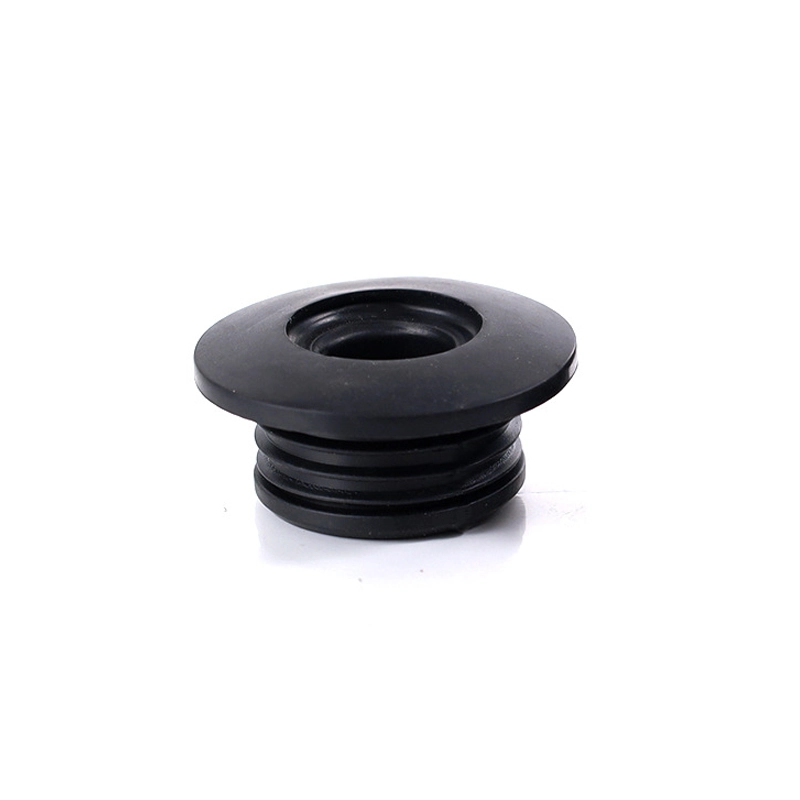 Urinal Sensor Inlet Seal Gasket Factory Replacement
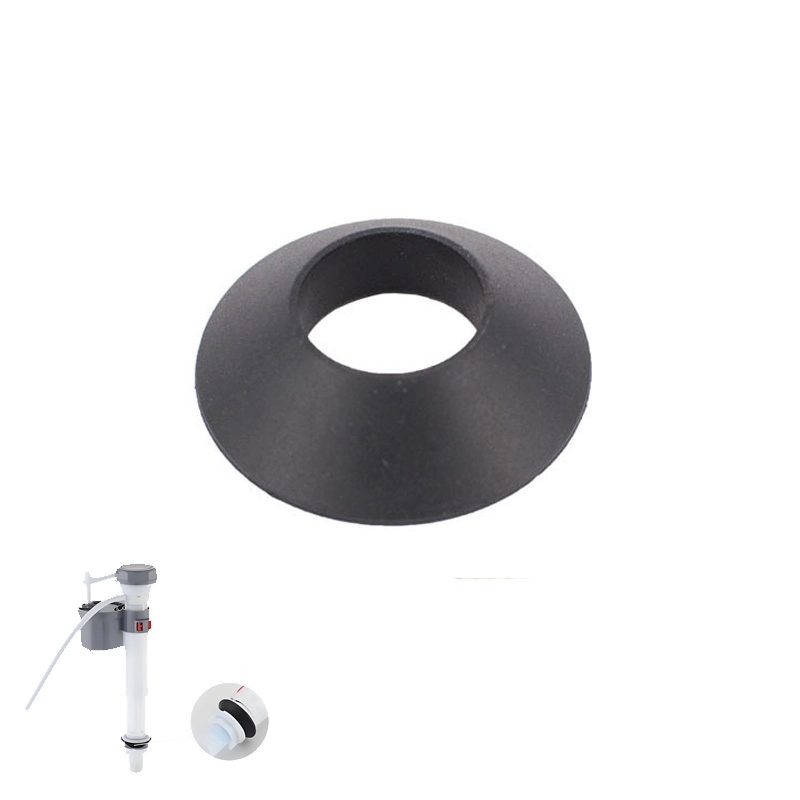 Toilet Tank Fill Valve Conical Seal Factory Replacement
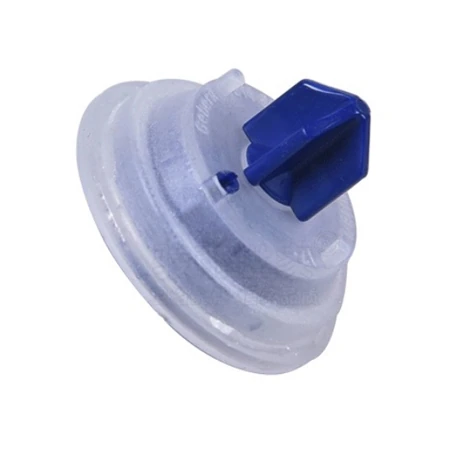 Wholesale Toilet Cistern Inlet Valve Diaphragm Washers
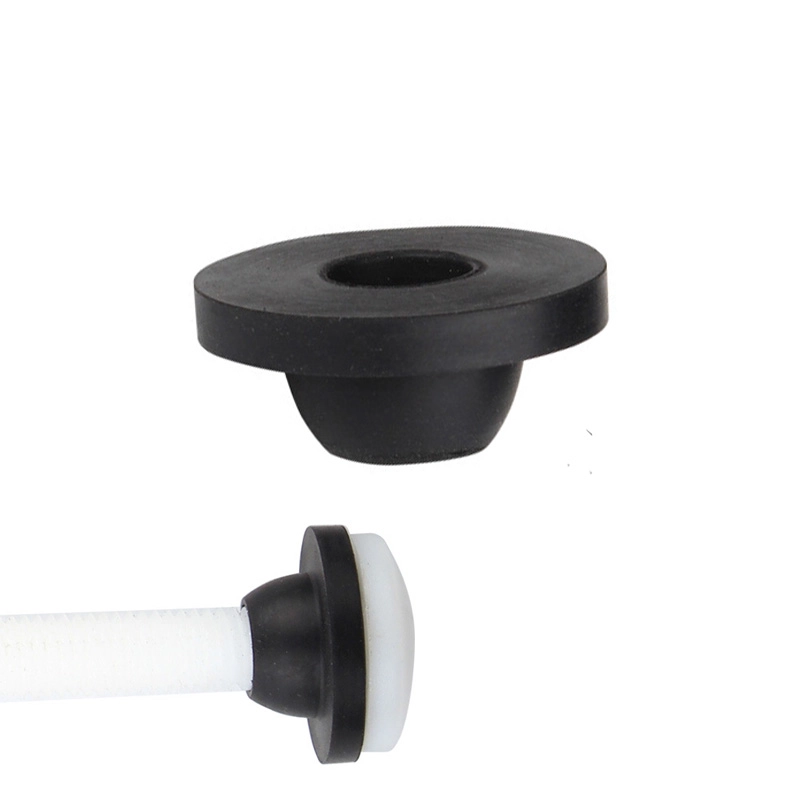 Conical Rubber Washers for Toilet Bolts Factory Wholesale