

How to Stop Toilet Flush Valve Leaking: A Complete Guide for Long-Term Solutions
A leaking toilet flush valve is one of the most common problems in both residential and commercial bathrooms. It may seem like a small issue at first, but over time, it can waste a large amount of water, increase utility costs, and even damage the toilet tank system.
If you are wondering how to stop toilet flush valve leaking, the good news is that most problems can be identified and solved quickly with the right inspection and replacement parts. For toilet manufacturers, flush valve producers, and bathroom accessory distributors, choosing high-quality flush valve seals is the key to reducing after-sales issues and improving customer satisfaction.
In this guide, we will explain the main causes of toilet flush valve leaks and how to fix them effectively.
What Causes a Toilet Flush Valve to Leak?
Before fixing the problem, it is important to understand why the leak happens.
The flush valve is responsible for releasing water from the tank into the bowl during flushing. Inside the valve system, the rubber seal or gasket creates a watertight closure. When this seal becomes worn, cracked, deformed, or improperly installed, water begins to leak continuously into the bowl.
Common causes include:
Worn or aging flush valve seal
Mineral buildup from hard water
Poor-quality rubber gasket materials
Incorrect seal size
Misaligned flush valve components
Damaged valve seat
Improper installation during assembly
Among these, seal aging is the most frequent reason.
Step-by-Step: How to Stop Toilet Flush Valve Leaking
Step 1: Turn Off the Water Supply
Before starting any repair, shut off the water supply valve located behind the toilet. Flush the toilet once to empty most of the tank water.
This helps create a safe and dry working environment.
Step 2: Inspect the Flush Valve Seal
Remove the toilet tank lid and check the flush valve area carefully.
Look for signs such as:
Cracks on the rubber seal
Hardening or brittleness
Deformation or flattening
Visible dirt or calcium buildup
Seal slipping out of position
If the seal looks damaged, replacement is usually the best solution.
Step 3: Clean the Valve Seat
Sometimes the seal itself is still usable, but debris or mineral deposits prevent a proper seal.
Use a soft cloth or sponge to clean the valve seat surface. Avoid using sharp tools that may scratch the sealing surface.
A smooth contact area is essential for leak prevention.
Step 4: Replace the Flush Valve Gasket
If cleaning does not solve the issue, install a new flush valve gasket.
When replacing the seal, make sure:
The size matches the flush valve design
The rubber material is durable and water-resistant
The gasket fits tightly without twisting
The seal is compatible with 2-inch or 3-inch flush valve systems
Using EPDM, silicone, or high-performance rubber materials can significantly improve sealing performance and product lifespan.
Step 5: Test the Flush System
Turn the water supply back on and allow the tank to refill.
Wait several minutes and observe whether water continues flowing into the bowl. If the leak stops, the repair is successful.
If leaking continues, the flush valve body itself may need replacement.
Why High-Quality Flush Valve Seals Matter
For OEM toilet manufacturers and flush valve suppliers, seal quality directly affects product reliability.
Low-cost rubber seals may reduce initial production costs, but they often lead to:
Faster aging
Poor chemical resistance
Deformation under pressure
Customer complaints
Warranty claims
Professional OEM flush valve seal manufacturers use high-grade EPDM and silicone materials to ensure:
Long-term elasticity
Excellent water resistance
Stable sealing performance
Better resistance to chlorine and hard water
Custom size support for different toilet models
This is especially important for export markets in North America and Europe, where quality standards are higher.
OEM Custom Flush Valve Seal Solutions
If you are a toilet factory, sanitary ware brand, or bathroom parts distributor, custom flush valve seals can help improve your product competitiveness.
A reliable OEM supplier can provide:
Custom dimensions
EPDM / silicone / NBR material options
NSF-compliant materials
Mold development support
Small batch trial orders
Stable mass production
Strict quality inspection
This helps reduce leakage problems from the source rather than only fixing them after installation.
Final Thoughts
Understanding how to stop toilet flush valve leaking is not only useful for maintenance but also critical for product quality improvement.
In most cases, replacing a worn flush valve seal is the fastest and most effective solution. For manufacturers and distributors, investing in high-quality OEM toilet flush valve seals means fewer leaks, stronger customer trust, and better long-term business performance.
If you are looking for professional flush valve seal OEM manufacturing, choosing the right rubber sealing partner can make all the difference. Durable sealing starts with precision manufacturing.
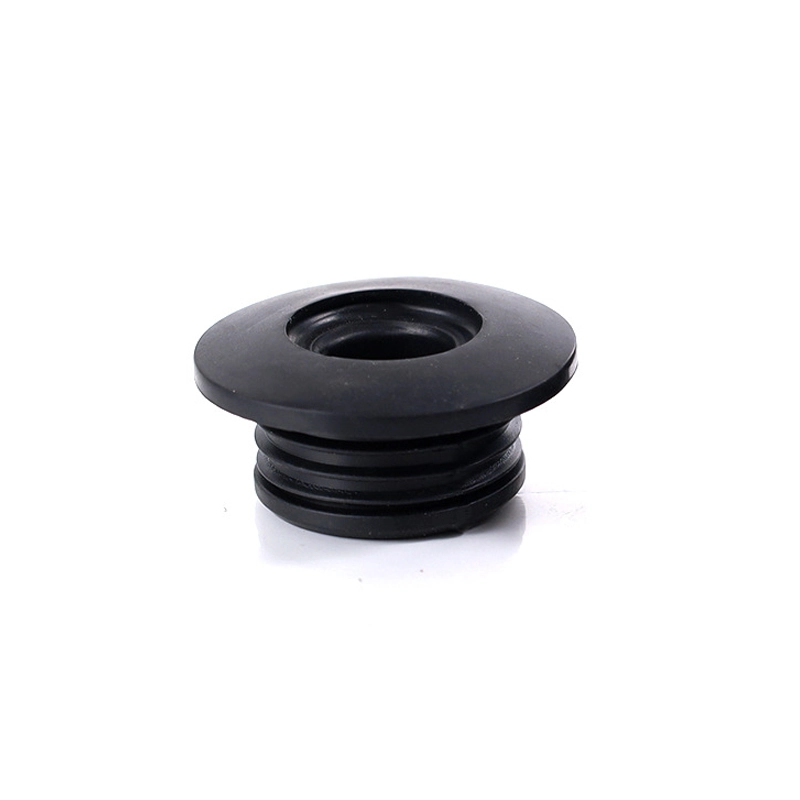 Urinal Sensor Inlet Seal Gasket Factory Replacement
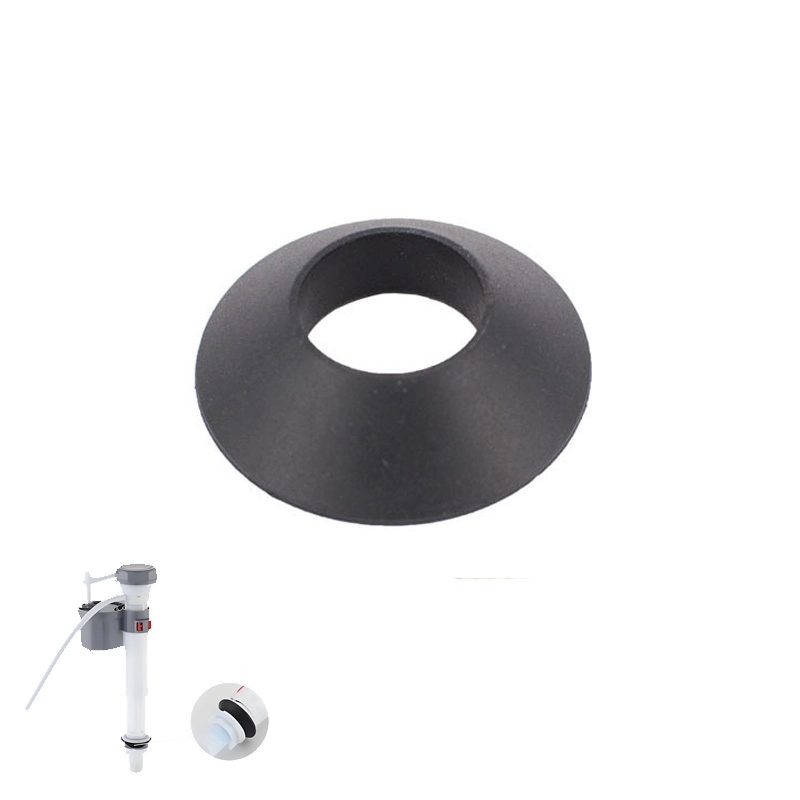 Toilet Tank Fill Valve Conical Seal Factory Replacement
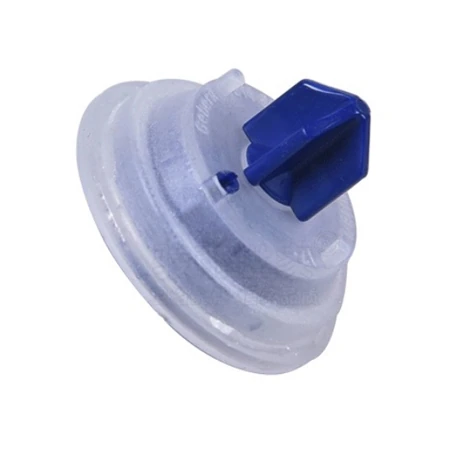 Wholesale Toilet Cistern Inlet Valve Diaphragm Washers
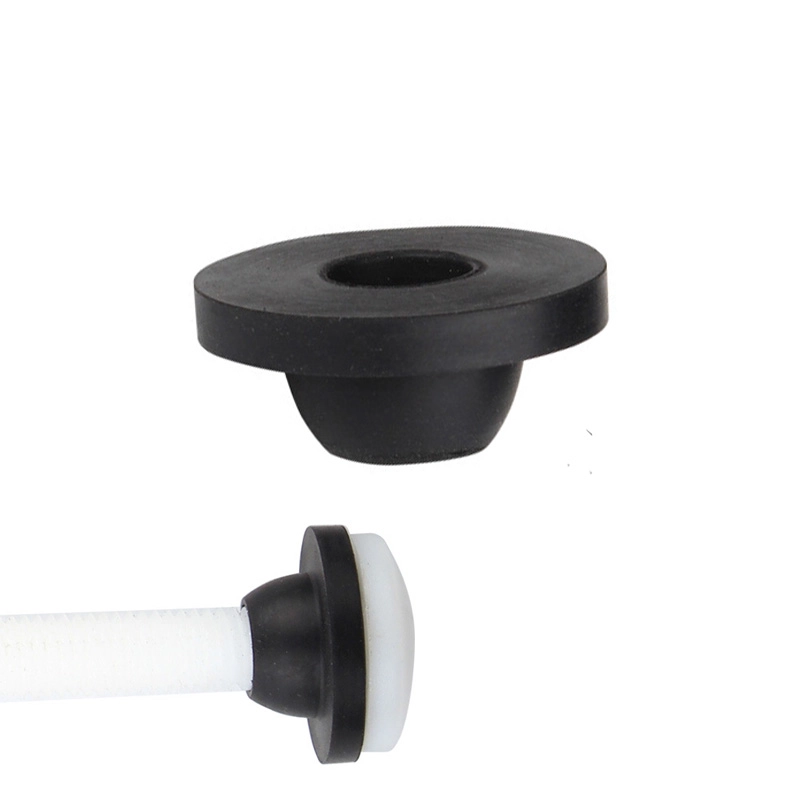 Conical Rubber Washers for Toilet Bolts Factory Wholesale