

Toilet Tank Leaking at Bottom Seal When Flushing: Causes, Fixes, and Prevention
If your toilet tank is leaking at the bottom seal when flushing, you’re definitely not alone. This is one of the most common toilet problems homeowners, plumbers, and toilet manufacturers deal with. The leak usually shows up right after you press the flush button or push the handle, and water starts dripping from underneath the tank.
At first, it may seem like a small issue, but over time, even a slow leak can waste a lot of water, damage your bathroom floor, and create expensive repair problems. In many cases, the real issue is a worn or damaged bottom seal, also called the flush valve seal, tank-to-bowl gasket, or flush valve gasket.
Let’s break down why this happens, how to fix it, and how to prevent it from happening again.
What Is the Bottom Seal in a Toilet Tank?
The bottom seal is the rubber gasket located between the toilet tank and the toilet bowl, usually around the flush valve area. Its job is simple but critical—it creates a watertight seal so water only flows where it should during flushing.
When this seal fails, water escapes from the bottom of the tank instead of going directly into the bowl.
Depending on the toilet design, this seal may be called:
Flush valve seal
Tank-to-bowl gasket
Flush valve gasket
Toilet tank seal
Flush outlet seal
No matter the name, the function is the same: prevent leaks.
Common Signs of a Bottom Seal Leak
If your toilet tank bottom seal is failing, you may notice:
Water leaking onto the floor after flushing
Dripping from underneath the tank
Water stains around the toilet base
A musty smell caused by moisture buildup
Loose tank movement
Increased water bills
Sometimes people think the toilet base is leaking, but the real problem starts inside the tank.
Main Reasons Why the Toilet Tank Leaks at the Bottom Seal
1. Worn-Out Flush Valve Seal
This is the most common reason.
Rubber seals naturally age over time. Constant exposure to water, cleaning chemicals, and hard water minerals causes the seal to crack, flatten, or lose elasticity.
Once that happens, the seal can no longer hold water properly.
2. Incorrect Installation
Even a brand-new seal can leak if it’s installed incorrectly.
Common installation mistakes include:
Seal not centered properly
Uneven tightening of tank bolts
Twisted or pinched gasket
Wrong gasket size used
Poor installation often causes immediate leaking after replacement.
3. Loose Tank Bolts
The bolts connecting the tank to the bowl help compress the gasket and create proper sealing pressure.
If these bolts become loose, the gasket won’t seal tightly, and water leaks during flushing.
But be careful—over-tightening can crack the porcelain.
4. Cracked Flush Valve Assembly
Sometimes the problem isn’t the seal itself but the plastic flush valve body.
Small cracks in the flush valve can allow water to escape around the gasket area, making it look like a seal problem.
This is especially common in older toilets.
5. Low-Quality Rubber Material
Not all toilet seals are made the same.
Cheap rubber materials may harden quickly, deform under pressure, or fail after only a short period of use.
High-quality materials like EPDM and silicone usually provide much better durability and longer service life.
How to Fix a Toilet Tank Bottom Seal Leak
Step 1: Turn Off the Water Supply
Before starting, shut off the water valve behind the toilet and flush the toilet to empty the tank.
This prevents accidental flooding.
Step 2: Remove the Tank
Carefully disconnect the water supply line and remove the tank bolts.
Lift the tank gently and place it on a soft surface to avoid cracking.
Step 3: Inspect the Seal
Check the bottom gasket for:
Cracks
Flattening
Hardening
Deformation
Mineral buildup
If the seal looks damaged, replace it.
Step 4: Replace with the Correct Seal
Always use the correct size and design for your toilet model.
For manufacturers and OEM buyers, custom flush valve seals are often necessary to ensure perfect compatibility.
Using universal low-cost replacements may lead to repeated leaks.
Step 5: Reinstall Carefully
Install the new seal evenly and tighten bolts gradually from both sides.
Do not overtighten.
Balanced pressure is the key to a proper seal.
Step 6: Test the Flush
Turn the water back on, refill the tank, and flush several times.
Check carefully for any signs of dripping.
If no leak appears, the repair is successful.
How to Prevent Future Leaks
Choose High-Quality Seal Materials
EPDM rubber is one of the best materials for toilet flush valve seals because it offers:
Excellent water resistance
Strong aging resistance
Good flexibility
Long service life
Better sealing performance
For premium applications, silicone rubber can also be a strong option.
Regular Inspection
Check the toilet tank every 6–12 months for:
Moisture
Slow drips
Loose bolts
Aging rubber parts
Early detection prevents major repairs.
Avoid Harsh Chemical Cleaners
Some strong toilet cleaners can damage rubber seals much faster.
Use seal-friendly cleaning products whenever possible.
For Toilet Manufacturers and OEM Buyers
For toilet factories, flush valve manufacturers, and sanitary ware brands, bottom seal leakage is not just a repair issue—it directly affects product quality, customer satisfaction, and warranty costs.
Choosing reliable OEM flush valve seals with:
Precision molding
Stable EPDM material
NSF-grade options
Custom size support
Long-term compression resistance
can significantly reduce after-sales problems.
A good seal may be small, but it has a huge impact on toilet performance.
Final Thoughts
A toilet tank leaking at the bottom seal when flushing is a problem that should never be ignored. In most cases, the issue comes down to a worn flush valve seal, poor installation, or low-quality gasket materials.
The good news is that the fix is usually straightforward—and with the right replacement seal, the problem can be solved permanently.
Whether you’re a homeowner fixing a leak or a toilet manufacturer improving product quality, investing in a reliable flush valve seal is always the smart choice.
Because in toilet design, the smallest seal often makes the biggest difference.
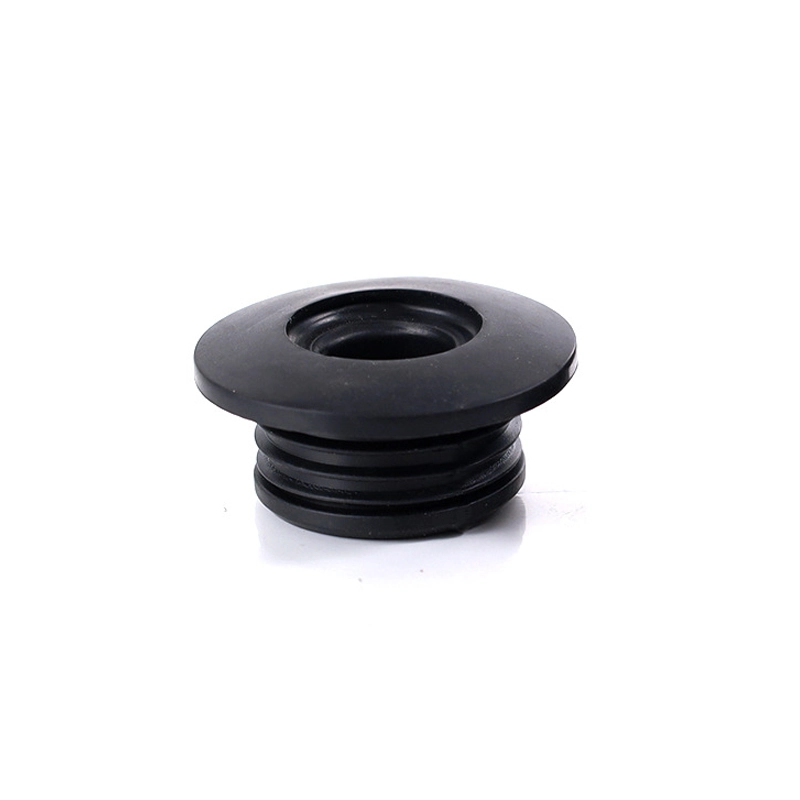 Urinal Sensor Inlet Seal Gasket Factory Replacement
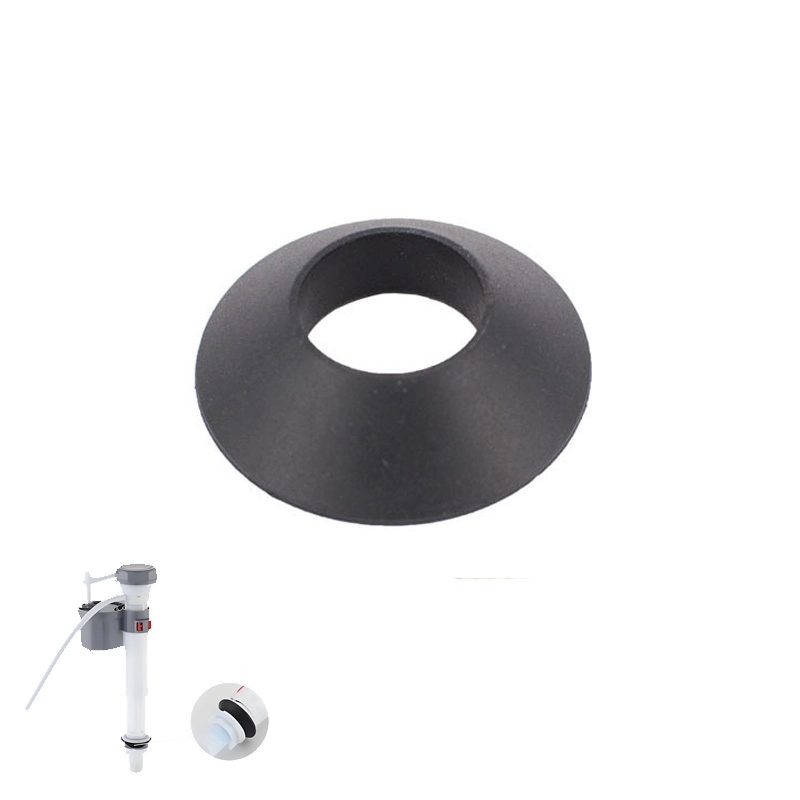 Toilet Tank Fill Valve Conical Seal Factory Replacement
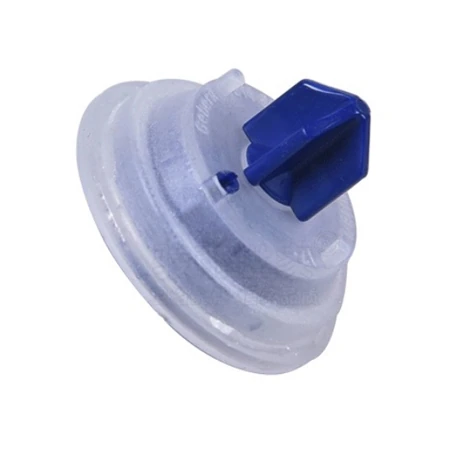 Wholesale Toilet Cistern Inlet Valve Diaphragm Washers
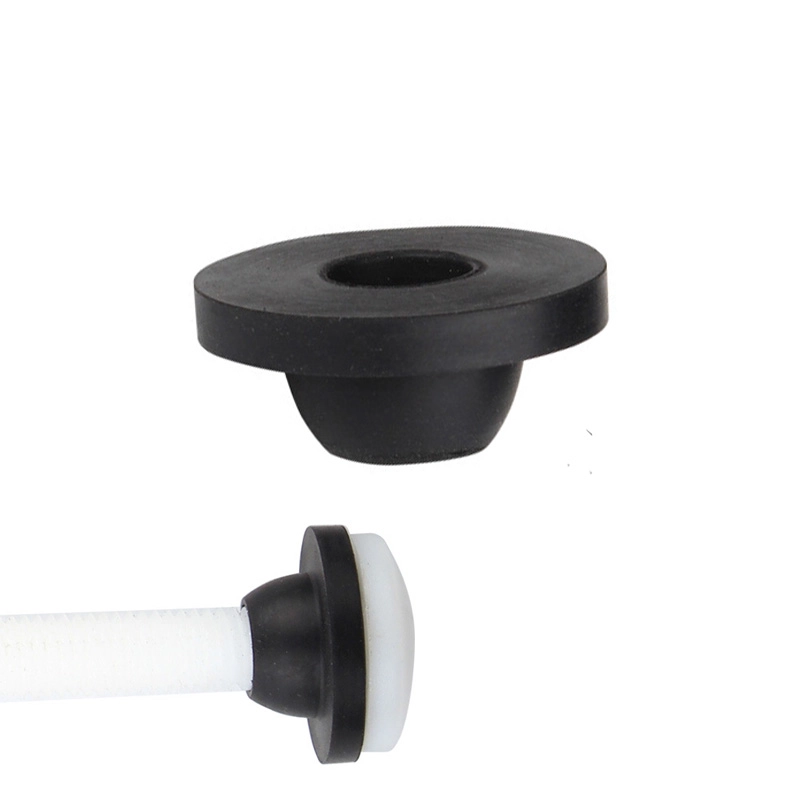 Conical Rubber Washers for Toilet Bolts Factory Wholesale