

How to Change a Toilet Seal: A Step-by-Step Guide
If your toilet is leaking, often the culprit is a worn-out toilet seal. Changing a toilet seal might sound intimidating, but with the right tools and a bit of patience, it’s a task you can do yourself. In this guide, we’ll walk you through the steps to replace a toilet seal safely and efficiently.
What Is a Toilet Seal?
A toilet seal, often called a wax ring or rubber gasket, is the barrier between the toilet base and the drain pipe. Its main job is to prevent water and sewer gases from escaping. Over time, these seals can wear out, crack, or become misaligned, leading to leaks and unpleasant odors.
Tools and Materials You’ll Need
Before you start, gather the following tools:
Adjustable wrench
Screwdriver
Putty knife
New toilet seal (wax or rubber, depending on your toilet)
Rubber gloves
Towels or old rags
Bucket
Having everything ready makes the process smoother and prevents unnecessary trips to the hardware store.
Step 1: Turn Off the Water Supply
Start by turning off the water supply to your toilet. Look for the shut-off valve near the base of the toilet and turn it clockwise until it stops. Then, flush the toilet to empty the tank and bowl. Use a sponge or towel to remove any remaining water.
Step 2: Remove the Toilet
Carefully disconnect the water line from the tank using an adjustable wrench. Then, remove the bolts at the base of the toilet. You might need a screwdriver to loosen the nuts. Lift the toilet straight up and set it aside on a towel or old blanket to protect your floor.
Tip: Toilets can be heavy. Having someone help you can prevent accidents or damage.
Step 3: Remove the Old Seal
Once the toilet is removed, you’ll see the old toilet seal attached to the flange. Use a putty knife to scrape away the old wax or rubber seal completely. Clean the flange area thoroughly to ensure a smooth, leak-free installation.
Step 4: Inspect the Toilet Flange
Before installing the new seal, check the flange for damage. If the flange is cracked or broken, you’ll need to repair or replace it. A damaged flange can prevent a proper seal and cause leaks.
Step 5: Install the New Toilet Seal
Place the new seal directly onto the flange. Wax seals usually go with the tapered side facing up toward the toilet, while rubber seals often fit snugly around the flange. Make sure it’s centered to prevent misalignment when you reinstall the toilet.
Step 6: Reinstall the Toilet
Carefully lower the toilet straight down onto the new seal, aligning the bolts with the holes in the base. Press down firmly but gently to compress the seal evenly. Tighten the nuts on the bolts gradually, alternating sides to ensure the toilet stays level. Avoid overtightening, as this can crack the porcelain.
Step 7: Reconnect Water and Test
Reconnect the water supply and turn the valve counterclockwise to restore water flow. Flush the toilet several times while checking for leaks around the base. If everything is dry, congratulations! You’ve successfully replaced your toilet seal.
Final Tips
Always wear gloves when handling old seals to avoid contact with bacteria.
If your bathroom floor is uneven, use shims to level the toilet before tightening the bolts.
Consider upgrading to a rubber or reinforced wax seal for added durability.
Changing a toilet seal is a manageable DIY project that can save you a plumber’s fee. With patience, the right tools, and careful steps, your toilet will be leak-free and odor-free in no time.
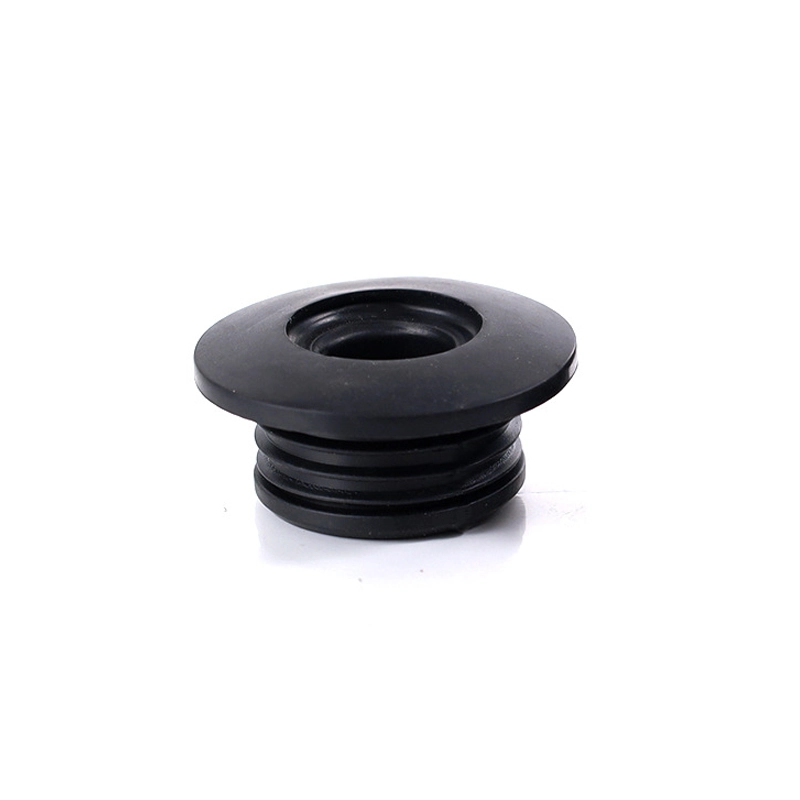 Urinal Sensor Inlet Seal Gasket Factory Replacement
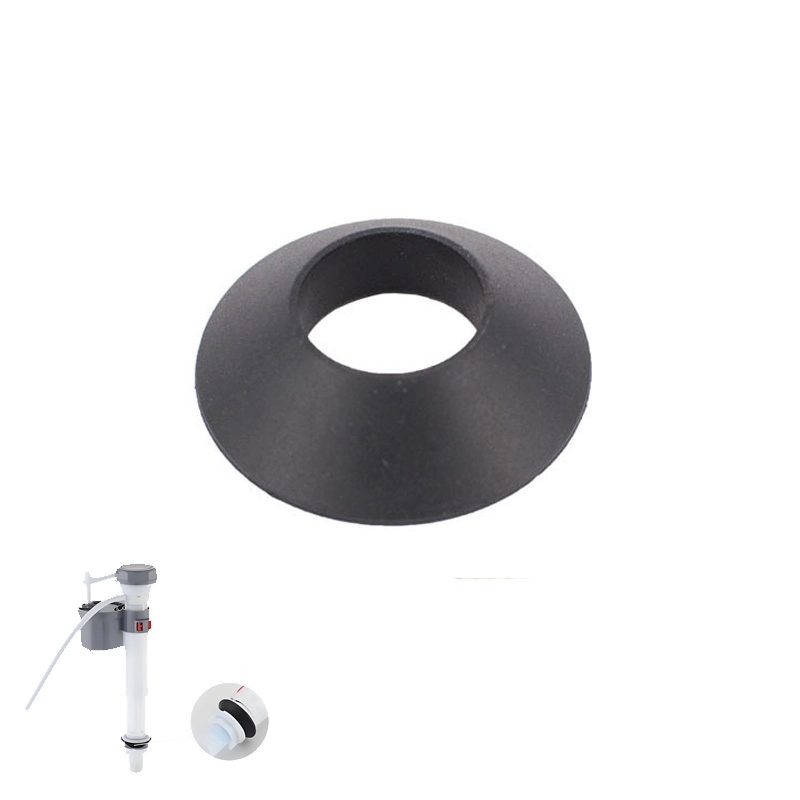 Toilet Tank Fill Valve Conical Seal Factory Replacement
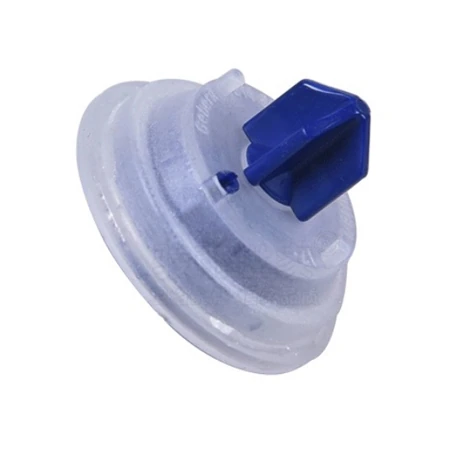 Wholesale Toilet Cistern Inlet Valve Diaphragm Washers
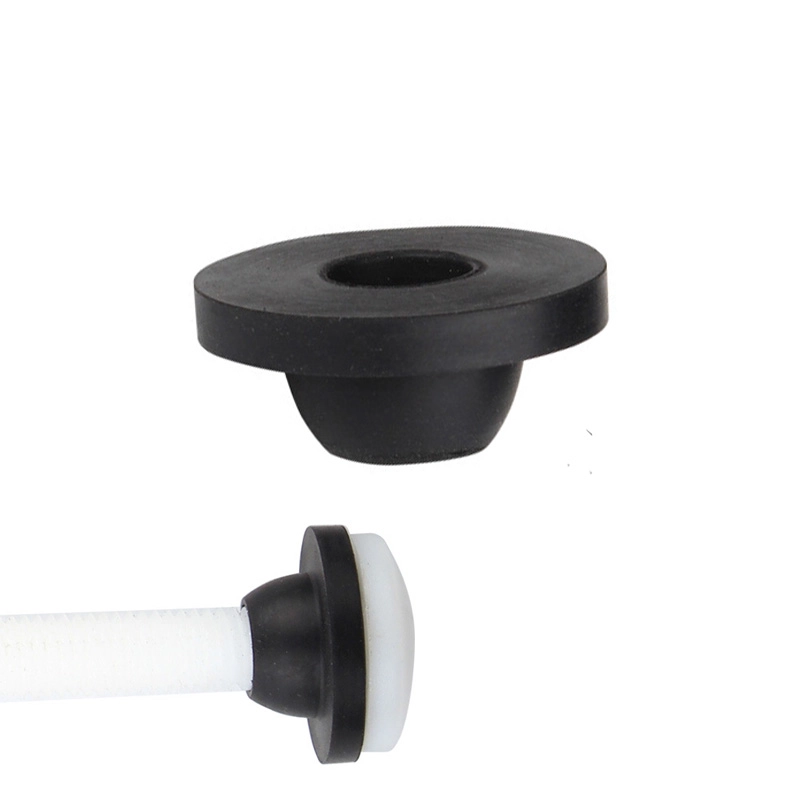 Conical Rubber Washers for Toilet Bolts Factory Wholesale