

EPDM vs Silicone Toilet Flush Valve Seals: Which Material Lasts Longer?
When it comes to maintaining a toilet, the flush valve seal is one of the most critical components. It ensures a watertight closure between the toilet tank and the bowl, preventing leaks and ensuring efficient flushing. If you’re sourcing or replacing toilet flush valve seals, you may have noticed that EPDM and silicone are the two most common materials. But which one lasts longer, and which is the right choice for your application?
Understanding EPDM Toilet Flush Valve Seals
EPDM (Ethylene Propylene Diene Monomer) is a synthetic rubber known for its excellent resistance to water, heat, and weathering. It’s commonly used in plumbing seals because it handles prolonged exposure to water and chemicals typically found in toilet tanks. EPDM seals are cost-effective and durable, often lasting 5 to 10 years under normal usage. However, over time, EPDM can harden or crack, especially in areas with high chlorine levels or extreme temperatures.
Why Silicone Seals Are Popular
Silicone toilet flush valve seals, on the other hand, are prized for their flexibility and long-lasting performance. Silicone resists temperature fluctuations, UV light, and most chemicals better than EPDM. It maintains elasticity for years, often outlasting EPDM in challenging environments. While silicone seals are generally more expensive, they require less frequent replacement and provide a reliable seal over a longer period.
Comparing Longevity and Performance
When comparing EPDM vs silicone toilet flush valve seals, the longevity depends largely on usage and water conditions. Silicone seals usually outperform EPDM in high-temperature or chemically aggressive environments. For standard residential toilets, EPDM performs exceptionally well and offers a cost-effective solution. In commercial or high-use applications, silicone’s durability makes it a superior choice, reducing maintenance and downtime.
Choosing the Right Seal Material for Your Toilet
Selecting the right flush valve seal material depends on your priorities:
Cost vs Durability: EPDM is cheaper and effective for typical household use. Silicone is more expensive but lasts longer.
Water Quality: Hard water or high chlorine levels favor silicone due to its chemical resistance.
Frequency of Use: Commercial or public toilets benefit from silicone seals, which maintain performance over heavy usage.
Final Thoughts
Both EPDM and silicone flush valve seals have their advantages. EPDM offers affordability and reliable performance for standard use, while silicone provides superior longevity and resilience in demanding environments. If you’re looking to reduce maintenance and ensure a leak-free toilet for years, investing in silicone seals can be worth the extra cost. Ultimately, understanding your specific application will guide the best material choice for your toilet’s flush valve.
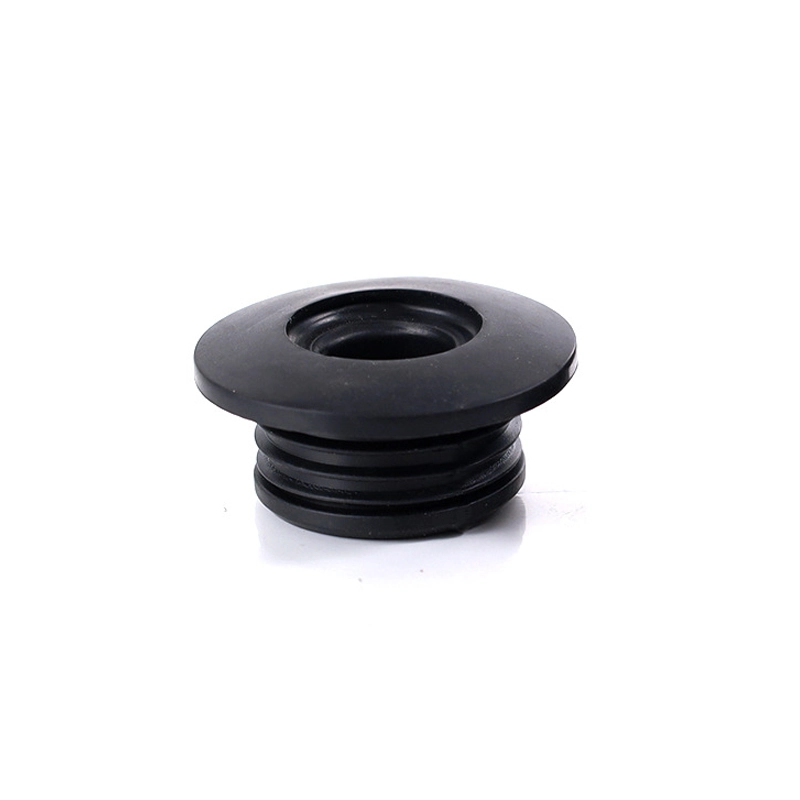 Urinal Sensor Inlet Seal Gasket Factory Replacement
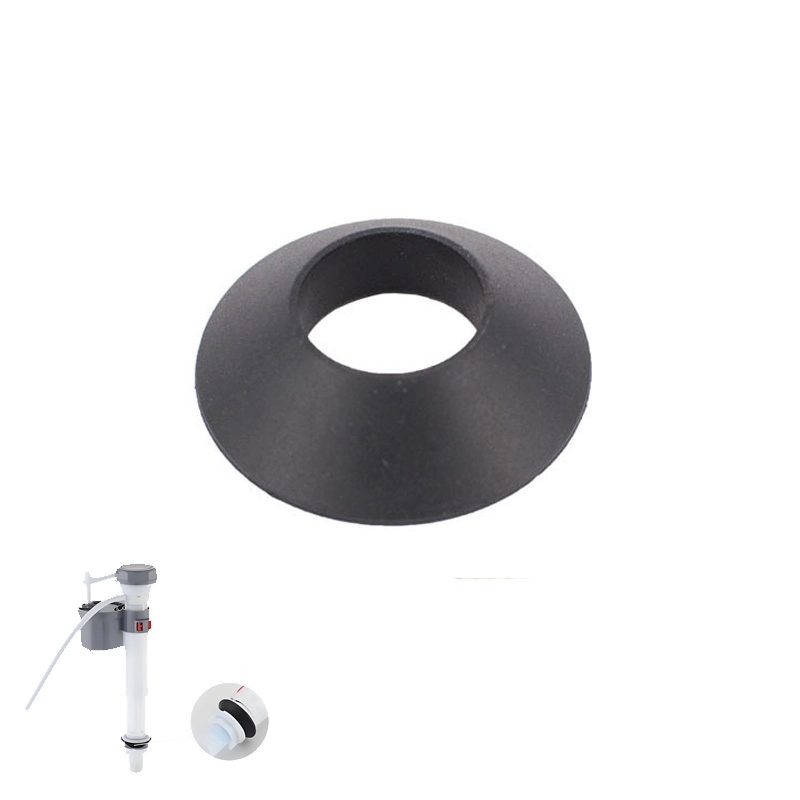 Toilet Tank Fill Valve Conical Seal Factory Replacement
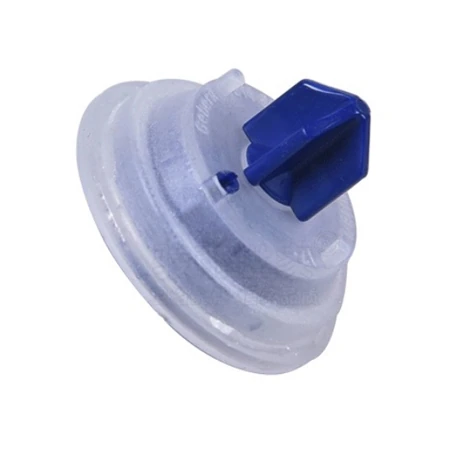 Wholesale Toilet Cistern Inlet Valve Diaphragm Washers
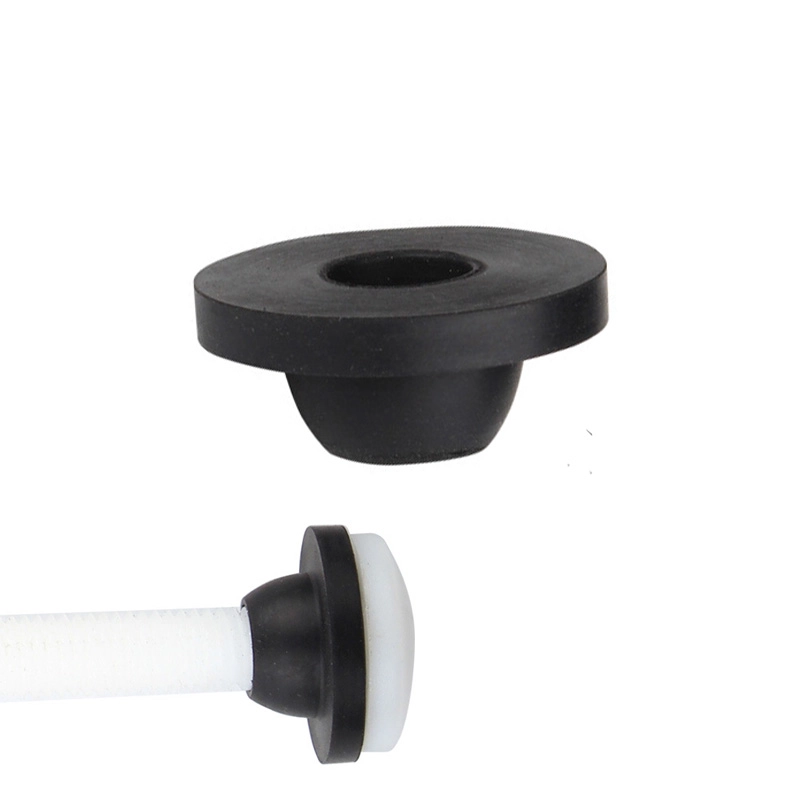 Conical Rubber Washers for Toilet Bolts Factory Wholesale