

How Often Replace Toilet Flange Seal: A Complete Guide
If you’ve ever noticed water pooling around your toilet or heard that annoying rocking sound when you sit, it might be time to check your toilet flange seal. While many homeowners overlook this small yet crucial component, the flange seal plays a key role in keeping your toilet leak-free and functioning properly. In this guide, we’ll explore how often you should replace your toilet flange seal, signs it needs attention, and some practical tips for maintenance.
What Is a Toilet Flange Seal?
The toilet flange seal, sometimes called a wax ring or rubber gasket, sits between your toilet and the drain pipe. Its primary purpose is to create a watertight and airtight seal. This prevents leaks that could damage your bathroom floor or cause unpleasant odors.
Most flange seals are made of wax, rubber, or EPDM silicone. Wax rings are common in older installations, while silicone or rubber seals are more durable and increasingly popular in modern toilets.
How Long Does a Toilet Flange Seal Last?
The lifespan of a toilet flange seal depends on several factors, including material quality, toilet usage, and installation. Here’s a general guideline:
Wax rings: Usually last 10–15 years. They are affordable but can crack or deform over time.
Rubber or silicone seals: Can last 15–30 years if installed properly. They are more flexible and resist leaks caused by minor floor movements.
Despite these general ranges, environmental factors like humidity, floor stability, and water chemistry can shorten the lifespan. That’s why visual inspection and listening for warning signs are essential.
Signs Your Toilet Flange Seal Needs Replacing
Even if your seal is within its expected lifespan, some warning signs indicate it’s time for replacement:
Water Leaks: Puddles around the base of the toilet indicate the seal isn’t holding water properly.
Unpleasant Odors: A compromised seal can allow sewer gases to escape.
Wobbly Toilet: Movement at the base of the toilet suggests the flange or seal has failed.
Frequent Clogs or Backups: Poor sealing can sometimes lead to inefficient flushing or blockage issues.
Paying attention to these signs can prevent costly bathroom repairs and water damage.
How Often Should You Replace It?
There’s no one-size-fits-all answer. However, here are practical guidelines:
Routine replacement: Every 10–15 years for wax seals. Every 15–30 years for rubber/silicone seals.
After removal: Anytime you remove your toilet for repairs, it’s best practice to replace the flange seal rather than reuse the old one.
After leaks or damage: Replace immediately if you notice water damage or mold forming around the base.
Remember, even high-quality seals can fail if the toilet shifts or the flange corrodes.
DIY Replacement vs. Professional Help
Replacing a flange seal is a manageable DIY task for many homeowners. You’ll need:
New flange seal (wax, rubber, or silicone)
Adjustable wrench
Screwdriver
Plumber’s putty (optional)
Steps:
Turn off the water supply and empty the toilet tank.
Disconnect the toilet from the flange.
Remove the old flange seal.
Clean the flange and surrounding area.
Install the new flange seal according to manufacturer instructions.
Reposition the toilet, secure bolts, and check for leaks.
For older homes with corroded flanges, uneven floors, or frequent leaks, calling a professional plumber may save time and avoid costly mistakes.
Maintenance Tips to Extend Seal Life
Avoid rocking the toilet: Even minor movements can crack wax seals.
Check for leaks regularly: Early detection can prevent water damage.
Upgrade to rubber or silicone seals: These materials are more resilient and last longer than wax.
Inspect flange condition: Ensure the flange itself isn’t cracked or rusted.
Conclusion
Replacing your toilet flange seal is essential for a leak-free, odor-free bathroom. While the general lifespan is 10–30 years depending on material, paying attention to leaks, odors, and toilet stability will help you decide when to replace it. Whether you go the DIY route or hire a professional, timely maintenance protects your home and ensures your toilet functions perfectly.
By keeping an eye on your toilet flange seal and addressing issues promptly, you can save money, avoid water damage, and maintain a hygienic bathroom environment.
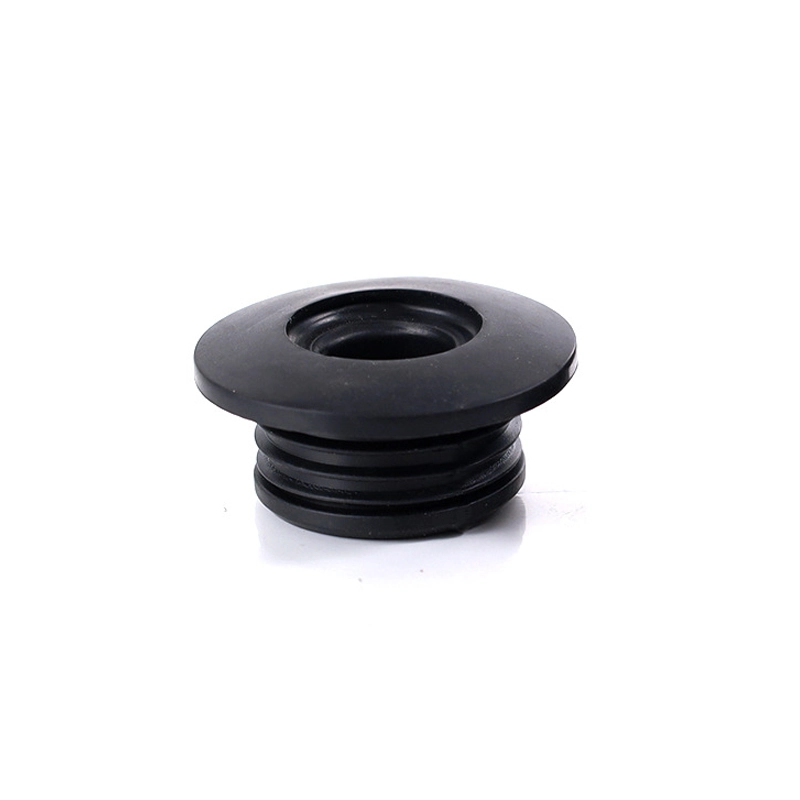 Urinal Sensor Inlet Seal Gasket Factory Replacement
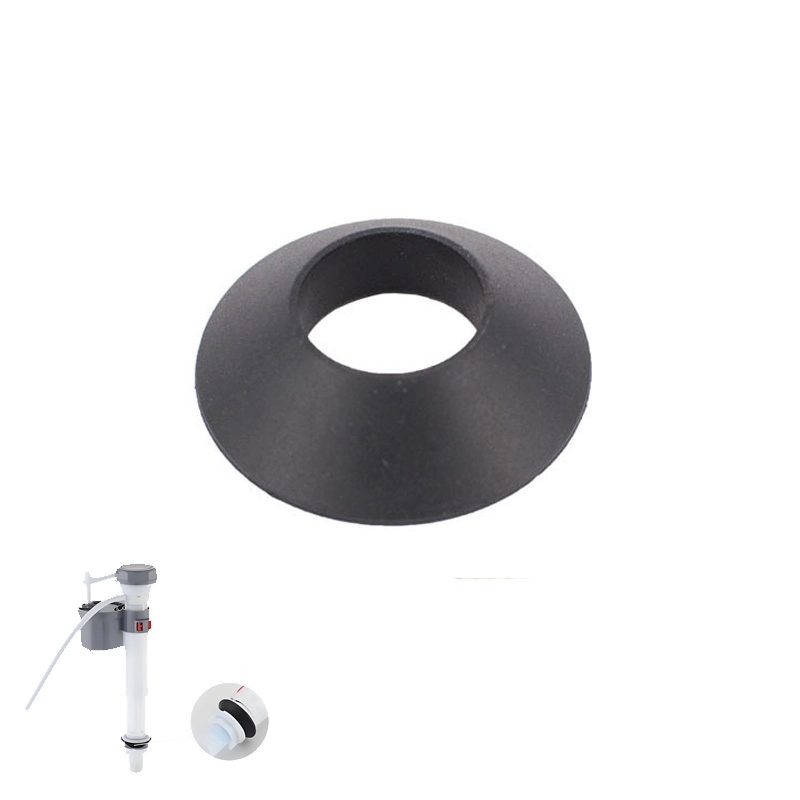 Toilet Tank Fill Valve Conical Seal Factory Replacement
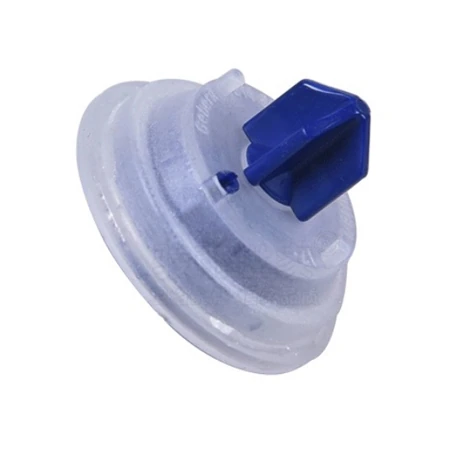 Wholesale Toilet Cistern Inlet Valve Diaphragm Washers
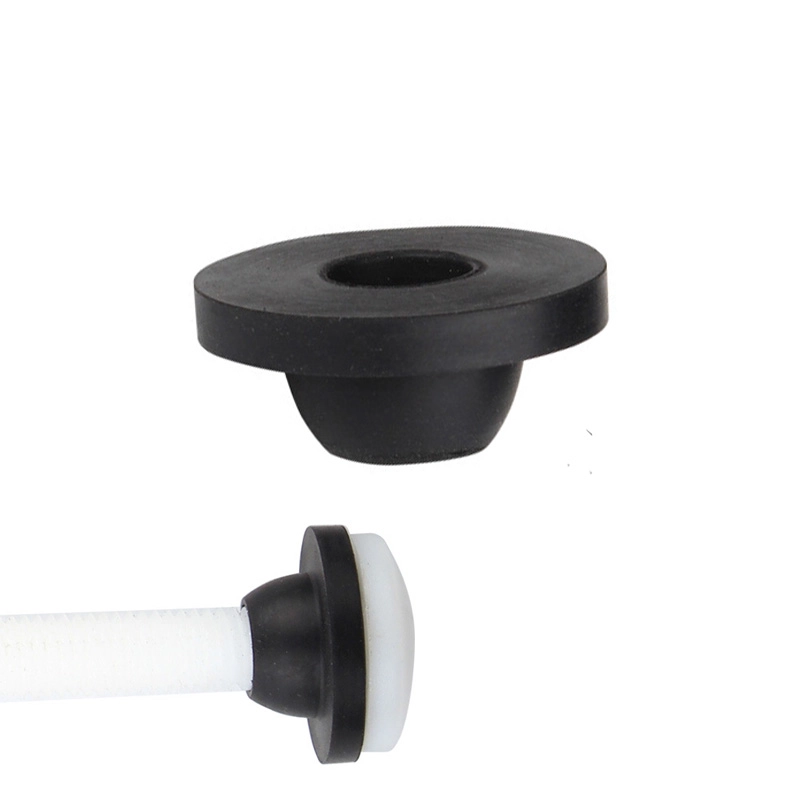 Conical Rubber Washers for Toilet Bolts Factory Wholesale