

Why Your Toilet Handles or Push Button Flush Valve Seal is Leaking
The Ultimate Guide to Fixing Toilet Handles, Push Button Flush Valves, and Leaky Seals
We’ve all been there. You’re trying to sleep, and you hear that faint, annoying hiss or trickle coming from the bathroom. Or maybe you press the flush button, and… nothing happens. The culprit? It usually comes down to three main pieces of hardware: the toilet handle (or push button), the flush valve, and the rubber seal.
As a toilet design and manufacturing specialist, I see these exact issues every single day. The good news is that you don't always need to call a plumber and shell out hundreds of dollars. Most of these fixes are simple, DIY-friendly weekend projects.
Let’s break down exactly how these parts work together, why they fail, and how to get your toilet working like new again.
1. Single Flush Handles vs. Dual Flush Push Buttons: What’s the Difference?
Before you start tearing your tank apart, you need to know what kind of system you have.
+-----------------------------------------------------------------+
| FLUSHING SYSTEMS |
+-----------------------------------------------------------------+
| OLD SCHOOL: Traditional Handle |
| - Uses a trip lever and a rubber flapper. |
| - Gravity-fed, simple mechanics, but prone to chain tangles. |
+-----------------------------------------------------------------+
| MODERN: Dual-Flush Push Button |
| - Uses a central tower mechanism (Flush Valve). |
| - Two buttons: half-flush (liquids) and full-flush (solids). |
| - Saves tons of water but has more moving parts. |
+-----------------------------------------------------------------+
If your traditional toilet handle feels loose or jiggles without flushing, the lift chain inside the tank is usually either broken or has too much slack. If your push button gets stuck in the "down" position, the spring inside the button housing is likely corroded, or the flush valve tower underneath is misaligned.
2. The Silent Culprit: The Flush Valve Seal
If your toilet is "phantom flushing"—meaning it randomly starts refilling itself even though nobody has used it—you are dealing with a faulty flush valve seal.
The flush valve sits at the very bottom center of your toilet tank. When you flush, the valve opens to let water rush into the bowl. When the flush is done, a rubber seal (or gasket) seals the opening tight so the tank can refill.
Over time, water treatment chemicals (like chlorine) degrade this rubber. It gets warped, blistered, or covered in mineral buildup. When that happens, water slowly leaks from the tank down into the bowl, causing your toilet to run constantly.
Pro Tip from a Designer: If you notice your water bill spiking unexpectedly, do the "dye test." Drop a few drops of food coloring into your toilet tank. Don't flush. If that color seeps into the toilet bowl after 15 minutes, your flush valve seal is 100% leaking.
How to Replace a Push Button Flush Valve Seal (Step-by-Step)
Replacing a modern dual-flush valve seal is actually incredibly easy because most modern brands (like Fluidmaster, Korky, or Geberit) use a "twist-and-click" design. You don't even have to take the tank off the bowl.
Step 1. Shut off the water
Locate the shut-off valve on the wall behind your toilet. Turn it clockwise until it stops.
Step 2. Drain the tank
Press and hold the flush button down until all the water drains out of the tank. Sponge out any remaining water at the bottom.
Step 3. Remove the flush valve tower
Reach into the tank, grab the main flush valve tower, and give it a firm counter-clockwise twist (usually a quarter turn). It should snap out of its base. Lift it out of the tank.
Step 4. Swap the rubber seal
Look at the very bottom of the tower you just pulled out. You'll see a silicone or rubber ring (the flush valve seal). Peel the old, slimy seal off. Clean the groove, and snap the new OEM-matching seal into place.
Step 5. Reinstall and test
Pop the tower back into the base, twist it clockwise until it clicks, turn the water back on, and test your new, silent flush!
Quick Troubleshooting Checklist
If you’re still having trouble, use this quick reference guide to identify the exact part causing your headache:
| Symptom | Probable Cause | Quick Fix |
| Water keeps running into the bowl | Warped flush valve seal or flapper | Replace the rubber seal ring (~$5-$10 part). |
| Button feels sticky or doesn't spring back | Gunk or mineral buildup under the push button | Unscrew the button cap and clean with vinegar. |
| Weak flush or have to hold the handle down | Too much slack in the lift chain / rod | Adjust the chain hook so there is only 1/2 inch of slack. |
| Water leaking from under the tank onto the floor | Bad tank-to-bowl gasket | Requires removing the tank to replace the large spud washer. |
The Bottom Line
When it comes to maintaining a modern toilet, keeping an eye on your toilet handles, push button mechanisms, and flush valve seals will save you thousands of gallons of wasted water over the lifespan of your bathroom. Don't wait until your water bill forces your hand—replacing a worn-out seal takes less than 10 minutes and keeps your plumbing running flawlessly.
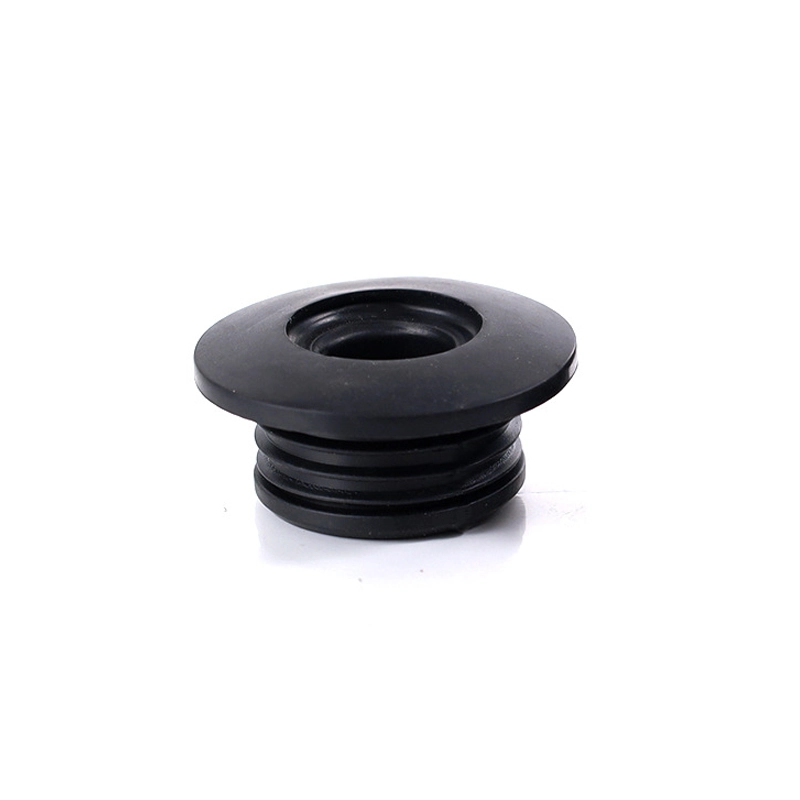 Urinal Sensor Inlet Seal Gasket Factory Replacement
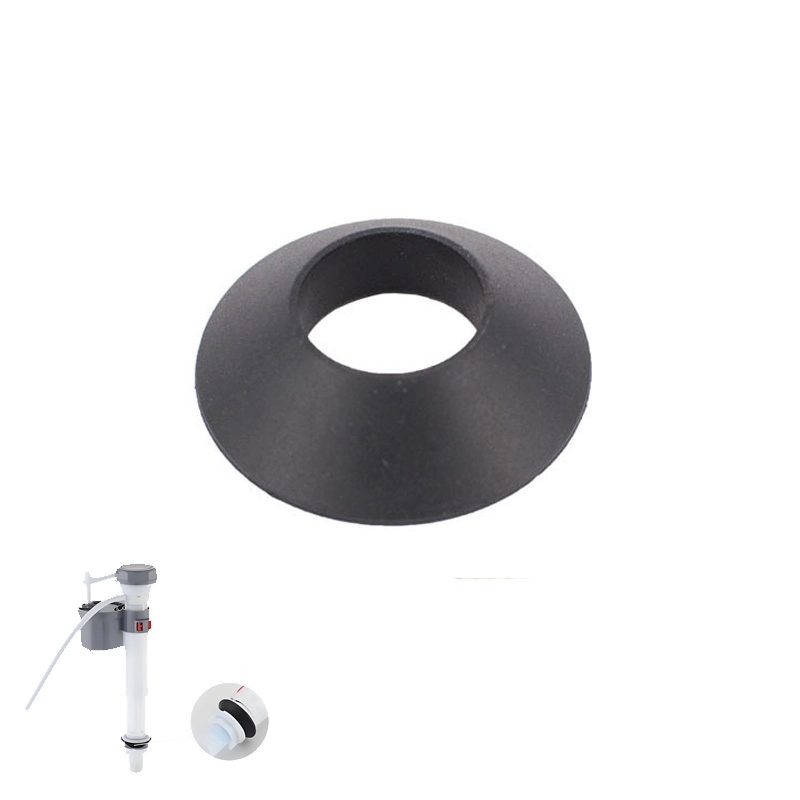 Toilet Tank Fill Valve Conical Seal Factory Replacement
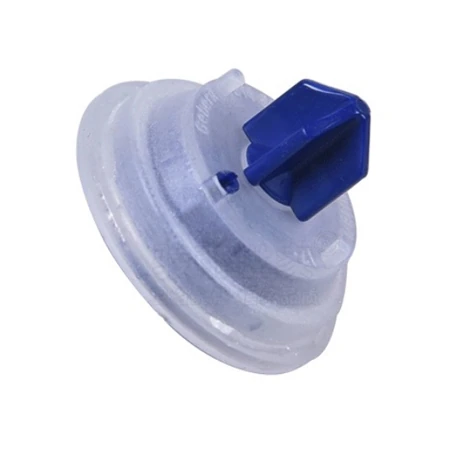 Wholesale Toilet Cistern Inlet Valve Diaphragm Washers
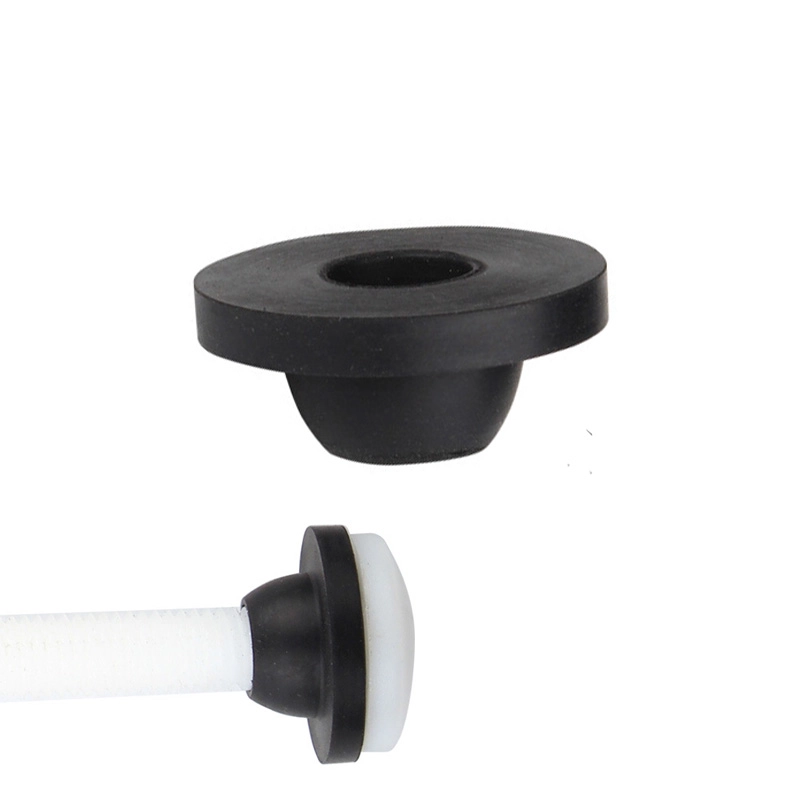 Conical Rubber Washers for Toilet Bolts Factory Wholesale