

How to Reduce Leakage in Toilet Seals
A leaking toilet seal may seem like a small issue at first, but over time it can lead to water damage, bad odors, mold growth, high water bills, and expensive repairs. Whether you are a homeowner, plumber, toilet manufacturer, or bathroom parts distributor, understanding how to reduce leakage in toilet seals is essential for maintaining a reliable and long-lasting toilet system.
Modern toilets depend on several types of seals to keep water flowing correctly and prevent leaks. These include flush valve seals, fill valve seals, tank-to-bowl gaskets, wax rings, toilet flange seals, and urinal seals. If even one of these sealing components fails, the entire flushing system can become inefficient.
In this guide, we’ll explain the most common causes of toilet seal leakage, practical ways to reduce leaks, how to choose the right sealing materials, and preventive maintenance tips that improve durability and performance.
Why Toilet Seal Leakage Happens
To reduce leakage effectively, you first need to understand why toilet seals fail.
1. Aging Rubber Materials
Many toilet seals are made from rubber or silicone compounds. Over time, these materials become hard, cracked, or deformed due to:
Constant water exposure
Chlorine and cleaning chemicals
Temperature changes
Mineral buildup
High water pressure
Once the seal loses flexibility, water starts leaking around the edges.
2. Poor Seal Design
Low-quality seals often have uneven surfaces, inaccurate dimensions, or weak structural designs. This creates small gaps that allow water leakage during flushing.
3. Incorrect Installation
Even a high-quality toilet seal can leak if installed improperly. Common installation mistakes include:
Uneven tightening
Misalignment
Over-compression
Using the wrong seal size
Reusing old seals
4. Hard Water and Mineral Deposits
In areas with hard water, calcium and mineral deposits accumulate around flush valve seals and gaskets. This prevents the seal from closing tightly.
5. Chemical Damage
Some aggressive toilet cleaners contain bleach or acidic ingredients that slowly damage rubber components, reducing elasticity and sealing performance.
Common Toilet Seals That Leak
Understanding the different types of toilet seals helps identify the source of leakage faster.
Flush Valve Seal
The flush valve seal controls water release from the tank into the bowl. When worn out, water continuously runs into the toilet bowl.
Common symptoms:
Constant running water
Weak flush performance
Water waste
Fill Valve Seal
The fill valve seal regulates water entering the tank after flushing.
Signs of failure:
Slow tank filling
Water dripping inside the tank
Noisy refill cycles
Tank-to-Bowl Gasket
This gasket seals the connection between the toilet tank and bowl.
Leak indicators:
Water around the toilet base
Dripping under the tank
Loose tank movement
Wax Ring or Flange Seal
The toilet flange seal prevents wastewater leakage between the toilet base and drain pipe.
Common problems:
Bad sewer odor
Water pooling around the toilet
Floor damage
How to Reduce Leakage in Toilet Seals
Choose High-Quality Seal Materials
One of the most effective ways to reduce leakage is selecting durable sealing materials.
Silicone Rubber
Silicone seals offer:
Excellent flexibility
Long service life
Resistance to temperature changes
Good chemical resistance
Silicone is commonly used in premium toilet sealing systems because it maintains elasticity longer than ordinary rubber.
EPDM Rubber
EPDM is widely used in toilet valve seals because it provides:
Strong water resistance
Excellent aging resistance
Good ozone resistance
Stable performance in humid environments
For OEM toilet seal manufacturing, EPDM is often preferred for commercial and residential flushing systems.
Use the Correct Seal Size
A seal that is too small or too large cannot create proper compression.
Always:
Measure valve diameter accurately
Confirm compatibility with toilet models
Follow manufacturer specifications
Using universal seals may save money initially, but precise-fit seals usually perform much better long term.
Improve Installation Quality
Even the best toilet seal can fail because of poor installation.
Installation Best Practices
Clean the Surface Thoroughly
Before installing a new seal:
Remove old residue
Eliminate mineral buildup
Dry all contact surfaces
A clean surface improves sealing contact.
Avoid Over-Tightening
Excessive tightening can deform rubber seals and create uneven pressure distribution.
Instead:
Tighten bolts evenly
Use moderate torque
Check alignment carefully
Replace Old Components Together
When replacing a flush valve seal, inspect:
Valve seats
Bolts
Gaskets
Tank hardware
Sometimes the leak is caused by worn supporting parts rather than the seal itself.
Preventive Maintenance Tips
Regular maintenance dramatically reduces leakage risk.
Inspect Toilet Seals Regularly
Check for:
Cracks
Discoloration
Hardening
Water stains
Loose fittings
Preventive replacement is cheaper than repairing water damage later.
Clean Mineral Deposits
Hard water buildup is one of the biggest causes of toilet seal failure.
Use:
Mild vinegar solutions
Non-abrasive cleaners
Soft brushes
Avoid harsh chemical cleaners that damage rubber materials.
Replace Seals Before Failure
Professional plumbers often recommend replacing critical toilet seals every few years, especially in high-usage environments such as:
Hotels
Office buildings
Restaurants
Shopping malls
Preventive maintenance improves flushing reliability and reduces emergency repairs.
Reduce Leakage in Commercial Toilets
Commercial bathrooms experience much higher flushing frequency than residential toilets.
Use Heavy-Duty Seals
Commercial toilet systems should use:
Reinforced silicone seals
Industrial-grade EPDM gaskets
High-pressure resistant valve seals
These materials withstand continuous operation better.
Choose OEM-Grade Components
Low-cost aftermarket seals may not match original specifications accurately.
OEM-quality seals usually provide:
Better dimensional accuracy
Stronger sealing performance
Longer lifespan
Reduced maintenance costs
Signs You Need to Replace Toilet Seals
Ignoring early warning signs often leads to larger plumbing problems.
Replace toilet seals immediately if you notice:
Constant running water
Water near the toilet base
Sewer odors
Weak flushing
Water stains around bolts
Mold or mildew near the toilet
Increased water bills
Early replacement helps prevent structural floor damage and plumbing failures.
Best Practices for Manufacturers and Distributors
For toilet manufacturers and bathroom parts suppliers, reducing seal leakage starts during product development.
Focus on Material Testing
Reliable toilet seals should undergo:
Compression testing
Aging resistance testing
Water pressure testing
Chemical resistance testing
Improve Mold Precision
Accurate molding reduces:
Surface defects
Flashing
Uneven edges
Poor fitting issues
Precision manufacturing improves sealing consistency significantly.
Optimize Seal Design
Modern seal designs often include:
Double-lip structures
Enhanced flexibility zones
Reinforced contact surfaces
These improvements help minimize leakage under different water pressure conditions.
Eco-Friendly Benefits of Leak Prevention
Reducing toilet seal leakage also supports water conservation.
A small running toilet leak can waste hundreds of gallons of water every month. Proper sealing helps:
Lower utility bills
Reduce water waste
Improve household efficiency
Support sustainable plumbing systems
For commercial buildings, effective seal maintenance can significantly reduce operational costs.
How Climate and Water Quality Affect Toilet Seals
Environmental conditions also impact toilet seal lifespan.
Hot and Dry Regions
High temperatures accelerate rubber aging and cracking.
Cold Climates
Freezing temperatures can stiffen low-quality seals, causing reduced flexibility.
Hard Water Areas
Mineral-rich water shortens seal lifespan through scaling and buildup.
Choosing materials suitable for local environmental conditions improves long-term performance.
Final Thoughts
Reducing leakage in toilet seals requires the right combination of high-quality materials, correct installation, regular maintenance, and proper product selection. Whether dealing with flush valve seals, fill valve seals, flange gaskets, or tank-to-bowl seals, small improvements in sealing performance can make a major difference in durability and water efficiency.
For homeowners, timely seal replacement prevents expensive plumbing repairs. For manufacturers and distributors, investing in premium sealing technology improves customer satisfaction and reduces product failure rates.
As modern toilets continue evolving toward higher efficiency and water-saving performance, reliable toilet sealing systems will remain one of the most important components in the plumbing industry.
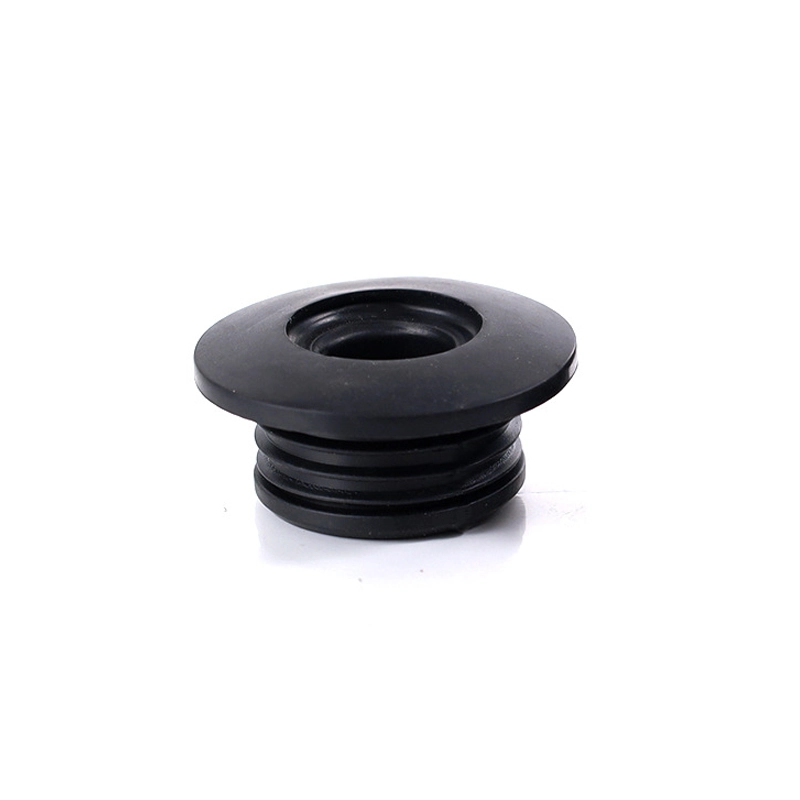 Urinal Sensor Inlet Seal Gasket Factory Replacement
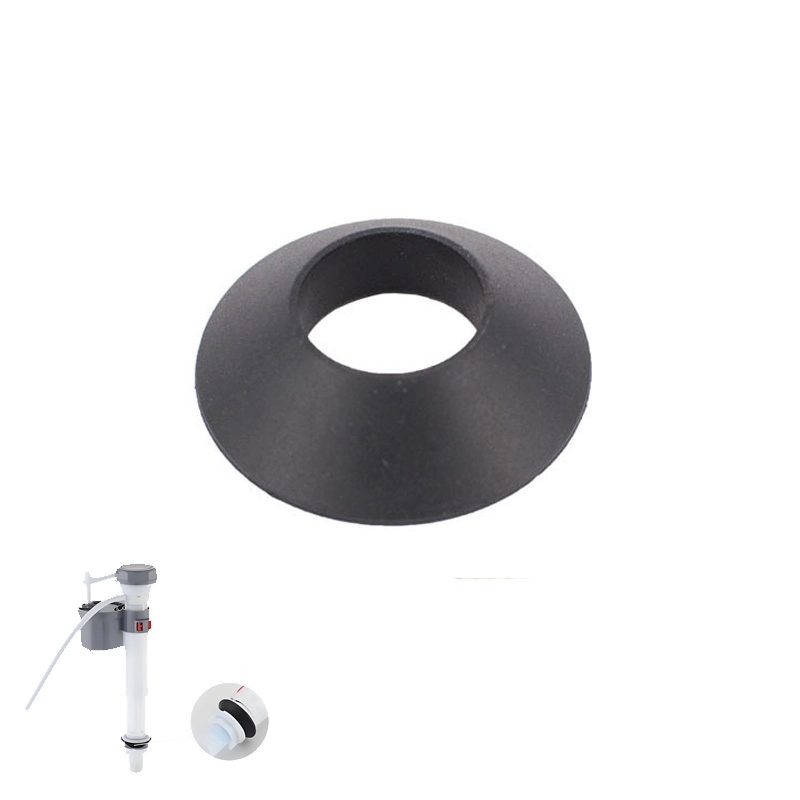 Toilet Tank Fill Valve Conical Seal Factory Replacement
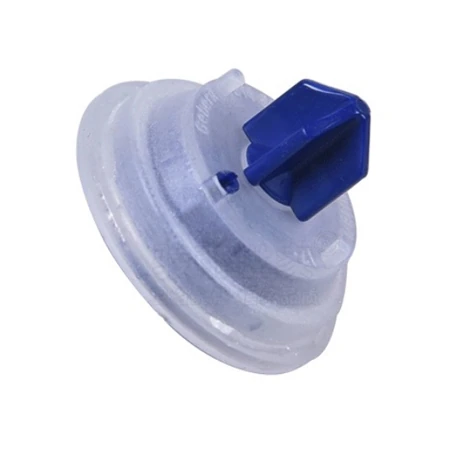 Wholesale Toilet Cistern Inlet Valve Diaphragm Washers
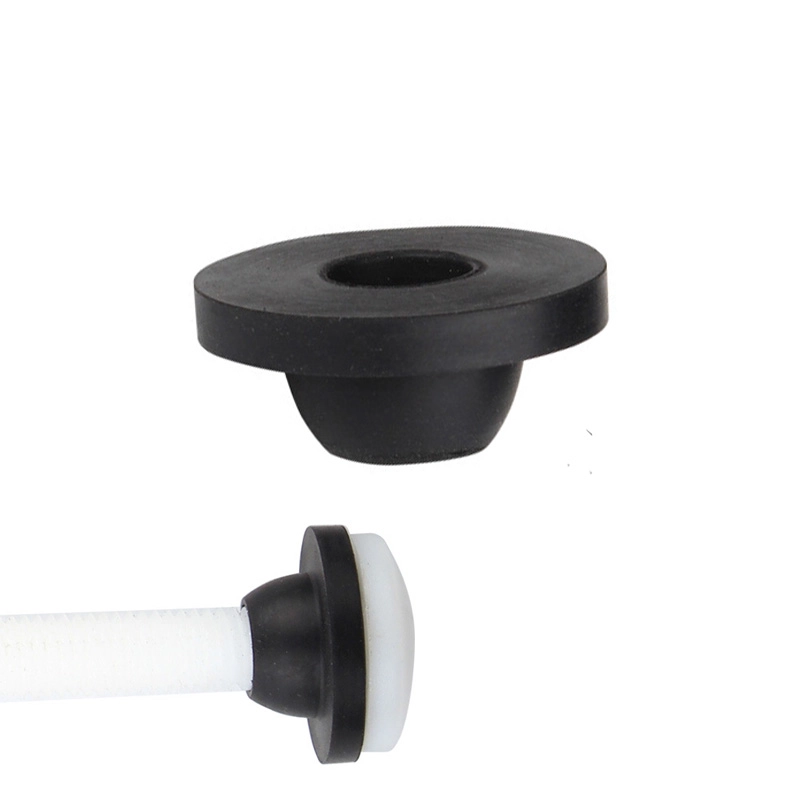 Conical Rubber Washers for Toilet Bolts Factory Wholesale