

Why Flush Valve Seal Fails and How OEM Design Improves Lifespan
For commercial toilet manufacturers, plumbing wholesalers, and global sanitary ware brands across the United States and Europe, a single component often dictates the field reliability of an entire fixture: the flush valve seal. While a toilet bowl or vitreous china tank can last for decades, the elastomeric seals inside the flush mechanism operate under constant mechanical stress, fluctuating water chemistry, and variable pressure.
When a toilet flush valve seal fails in a high-traffic commercial building or a residential development, it triggers ghost flushing, water waste, and costly maintenance calls. For OEMs and distributors, these premature failures translate directly into warranty claims, brand erosion, and strained supply chains.
Understanding the root causes of elastomeric degradation and leveraging advanced OEM design engineering is the only definitive way to extend component lifespan, reduce total cost of ownership (TCO), and protect your brand reputation in the global marketplace.
Part 1: The Anatomy of Failure — Why Do Flush Valve Seals Fail?
In industrial plumbing applications, a flush valve seal does not fail randomly. Degradation is the result of compounding chemical, physical, and mechanical stressors. For engineering and procurement teams sourcing parts at scale, identifying these specific failure modes is the first step toward implementing a superior OEM solution.
1. Chemical Attacks: Chlorine, Chloramine, and In-Tank Cleaners
Modern municipal water treatment in the USA and European countries like the UK and Germany relies heavily on disinfectants to maintain water safety. While traditional chlorine is highly reactive, many municipalities have transitioned to chloramine (a combination of chlorine and ammonia) because it remains active in the distribution system longer.
However, chloramine is exceptionally aggressive toward standard rubber compounds. It penetrates the elastomeric matrix, causing cross-link density reduction, which leads to swelling, softening, and ultimate structural disintegration. When end-users introduce concentrated chemical drop-in bowl cleaners into the tank, the localized chemical concentration skyrockets, destroying low-grade Nitrile (NBR) or Neoprene seals within months.
2. Compression Set and Material Fatigue
A toilet flush valve seal ring spends the vast majority of its lifecycle under constant compressive load to maintain a watertight seal against the valve seat. Over time, lower-tier elastomers lose their resilience — a phenomenon known as compression set. When the material can no longer spring back to its original shape upon actuation, microscopic gaps form between the seal and the mating surface, leading to slow, continuous leaks.
3. Water Hardness and Abrasive Particle Wear
In regions with heavy hard water profiles — such as parts of the US Midwest or Southern Germany — calcium carbonate and magnesium deposits build up inside the toilet tank. These mineral crystals, along with trace pipe scale and sand grit carried by municipal pipes, act as abrasives. Every time the flush valve cycles, these particles score the sealing surface, tearing the rubber and disrupting the surface profile required for a tight seal.
4. Blistering and Physical Distortion
Fluctuating water pressures and trapped gases within the porous structure of low-quality molded rubber can cause physical distortion. When pressure drops rapidly during a flush cycle, trapped air or moisture within the seal expands, leading to surface blistering, pitting, and eventual tearing along the sealing lip.
Part 2: How Precision OEM Design Engineering Improves Lifespan
Standard, off-the-shelf rubber parts are rarely optimized for the rigorous performance baselines demanded by tier-1 sanitary ware brands. Elevating component lifespan requires a dedicated OEM approach that balances advanced material science with precise geometric design.
1. Advanced Material Selection: Beyond Standard NBR
To survive the modern chemistry of global water systems, premium OEM manufacturing utilizes specialized elastomer formulations.
* Chloramine-Resistant EPDM: Specially compounding Ethylene Propylene Diene Monomer (EPDM) with specific curing agents provides unparalleled resistance to chloramine and ozone attack. It maintains its tensile strength and flexibility even under prolonged exposure to harsh chemical cleaners.
* Engineering-Grade Silicone (VMQ): For high-end architectural fixtures or extreme temperature fluctuations, custom-formulated silicone offers exceptional compression set resistance and an incredibly smooth surface finish that repels mineral scaling.
* Fluoropolymer Coatings (PTFE): Applying a microscopic layer of PTFE to the elastomeric seal reduces surface friction, prevents the rubber from sticking to the plastic valve seat, and adds an extra defensive barrier against chemical ingress.
2. Geometric Optimization and Finite Element Analysis (FEA)
An optimized OEM design doesn't just rely on the toughness of the rubber; it utilizes smart geometry to distribute stress evenly. Using FEA testing, OEM engineers can simulate thousands of flush cycles to identify high-stress concentration points on the toilet flush valve seal.
By modifying the lip angle, introducing reinforcing ribs, or adjusting the sealing radius, the mechanical load is distributed across a wider surface area. This minimizes localized compression set and ensures the seal maintains a perfect flat or targeted line-contact configuration against the flush valve seat throughout its intended service life.
Part 3: Global Industrial Standards and Quality Control
Sourcing rubber sealing components for the US and European markets requires strict adherence to international regulatory frameworks and rigorous quality control protocols. High-quality B2B manufacturing operations must maintain a robust quality management system to guarantee consistency across multi-million-piece production runs.
International Certifications & Compliance
Global sanitary brands must ensure their supply chain complies with specific regional material certifications:
* USA Market: FDA compliance for non-toxic compounding, along with material alignment for IAPMO/UPC standards.
* European Market: Compliance with EN 681-1 (the European standard for elastomeric seals in water supply and drainage applications), as well as country-specific drinking water approvals like KTW/W270 (Germany) and WRAS (UK) where applicable.
* Factory Governance: Manufacturing facilities must operate under ISO 9001:2015 quality management systems to ensure traceability from raw polymer compounding to finished parts shipment.
Comprehensive Lab Testing
Before a batch of flush valve seals leaves the factory, it undergoes a battery of destructive and non-destructive industrial tests:
| Test Type | Performance Benchmark Monitored |
| Accelerated Ageing Test | Immersion in concentrated chloramine solutions at elevated temperatures to simulate years of real-world exposure. |
| Compression Set Testing | Measuring the material's elastic recovery percentage after prolonged exposure to mechanical loads (per ASTM D395 or ISO 815). |
| Lifecycle Durability Testing | Actuating custom-designed flush valves in a computerized rig for up to 250,000 to 500,000 continuous cycles to monitor wear. |
| Automated Optical Inspection (AOI) | Utilizing high-speed vision systems to inspect 100% of critical dimensions and detect surface flash, voids, or micro-cracks before packaging. |
Part 4: OEM/ODM Customization Services and Supply Chain Capabilities
For major sanitary ware brands and high-volume distributors, a reliable manufacturing partner must offer more than just rubber molding — they must provide comprehensive design-to-delivery capabilities.
Prototype Development and Tooling
Speed-to-market is critical. A robust OEM partner offers rapid prototyping services, utilizing precision CNC tooling and compression or injection molding technologies to deliver functional samples for client validation within days. Whether you require a custom profile for a dual-flush water-closet mechanism or a specialized gasket for a commercial pressure-assist system, customized tooling ensures tight tolerances down to the micron.
High-Volume Wholesale and Logistics
Operating a global B2B supply chain means managing volume and timing effectively. High-capacity manufacturing operations utilize automated rubber injection molding presses to ensure consistent physical properties across massive wholesale volumes. With flexible delivery structures like Just-In-Time (JIT) shipping, scheduled blanket orders, and customized packaging options (including private-label retail kits or bulk industrial crates), your production lines in North America or Western Europe remain lean and uninterrupted.
Conclusion: Partner with an Expert OEM Rubber Manufacturer
The durability of a toilet flush valve seal directly impacts your brand's warranty costs and market reputation. Relying on generic, non-optimized rubber components leaves your fixtures vulnerable to the aggressive water chemistry and heavy usage patterns found in modern commercial and residential infrastructure.
By partnering with an experienced OEM/ODM manufacturer that prioritizes chloramine-resistant elastomers, advanced geometric engineering, and absolute ISO-certified quality control, you ensure long-term reliability and an extended component lifespan.
Request a Technical Consultation & RFQ
Are you designing a next-generation flush valve or looking to eliminate field failures in an existing plumbing line? Contact our engineering team today to request material samples, discuss custom compound formulations, or receive a competitive wholesale quotation for your bulk production requirements.
FAQ
Q1: Can standard EPDM seals handle all types of in-tank toilet cleaners?
While standard EPDM offers superior resistance compared to standard Nitrile (NBR), highly concentrated chemical drop-in tablets containing chlorine or calcium hypochlorite can still degrade lower-grade EPDM over time. For maximum protection against commercial cleaners, we utilize specialized, highly cross-linked, chloramine-resistant EPDM compounds or premium fluorocarbon coatings.
Q2: What is the typical lifespan improvement of an engineered OEM seal versus an off-the-shelf alternative?
Under standard water conditions, an off-the-shelf NBR seal may begin to show signs of swelling or deformation within 1 to 2 years, especially in chloraminated water. A custom-engineered OEM EPDM or silicone seal is designed to withstand the equivalent of 5 to 10 years of continuous operation without losing its sealing integrity, depending on the specific application environment.
Q3: Do you support custom branding and tailored packaging for wholesale distributors?
Yes. For wholesale plumbing distributors and plumbing brand clients across the US and Europe, we provide full private-label packaging solutions. This includes custom-printed polybags, barcoded retail boxes, and bulk industrial packaging designed to integrate directly into your distribution centers or automated assembly lines.
Q4: How do you ensure dimensional consistency across high-volume production batches?
We utilize precision-engineered, multi-cavity injection molds equipped with automated temperature and pressure logging. Post-production, parts pass through automated optical inspection (AOI) systems that verify critical inner diameters, outer diameters, and lip profiles against your approved 2D/3D CAD models, ensuring zero-defect delivery.
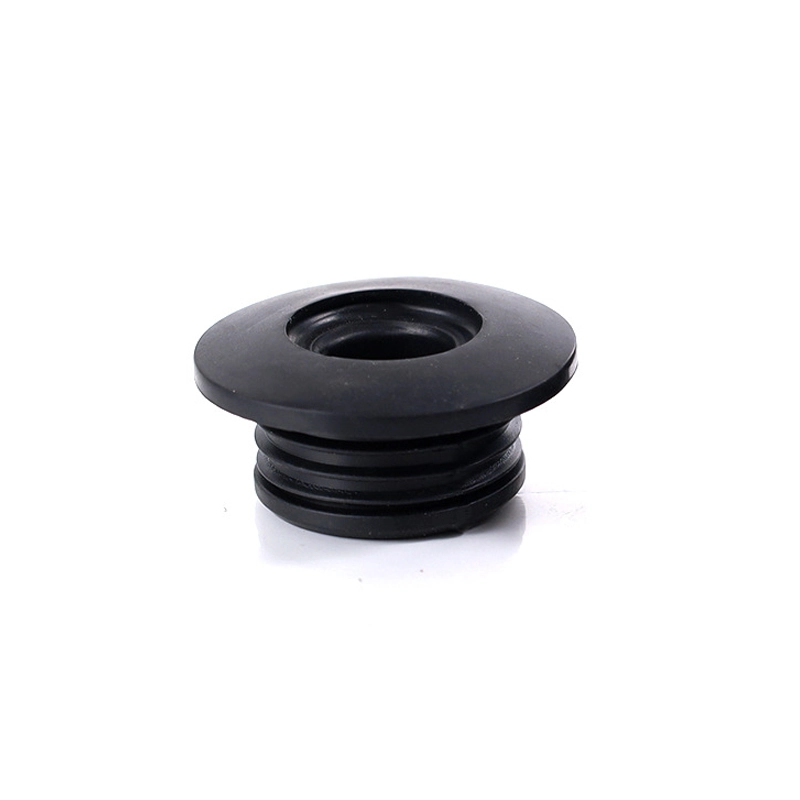 Urinal Sensor Inlet Seal Gasket Factory Replacement
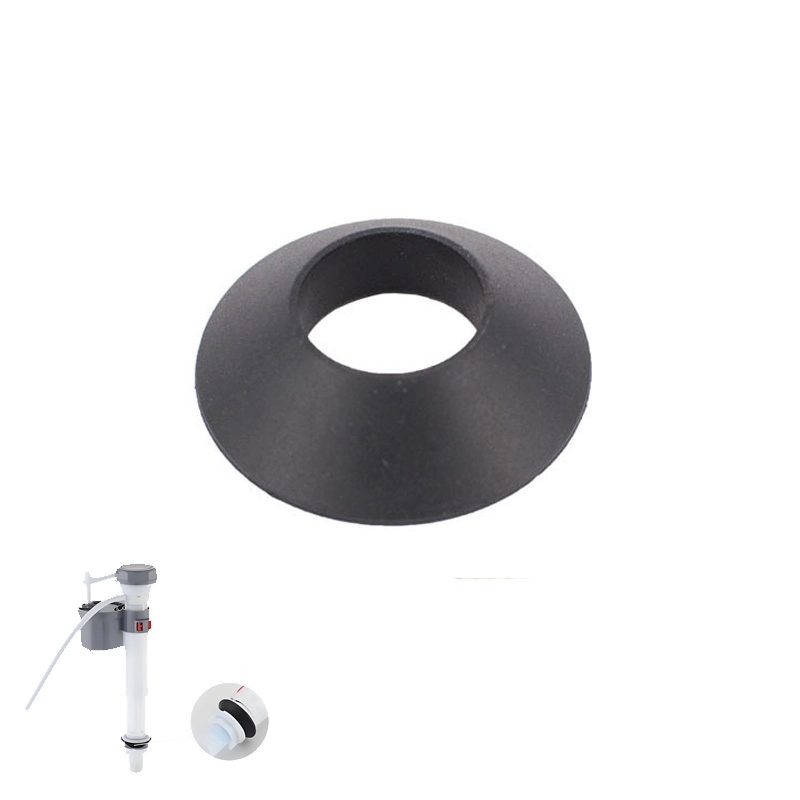 Toilet Tank Fill Valve Conical Seal Factory Replacement
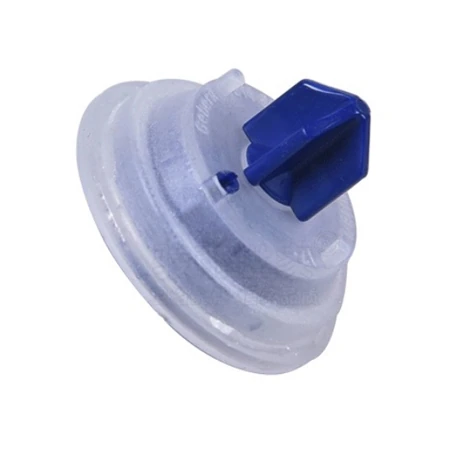 Wholesale Toilet Cistern Inlet Valve Diaphragm Washers
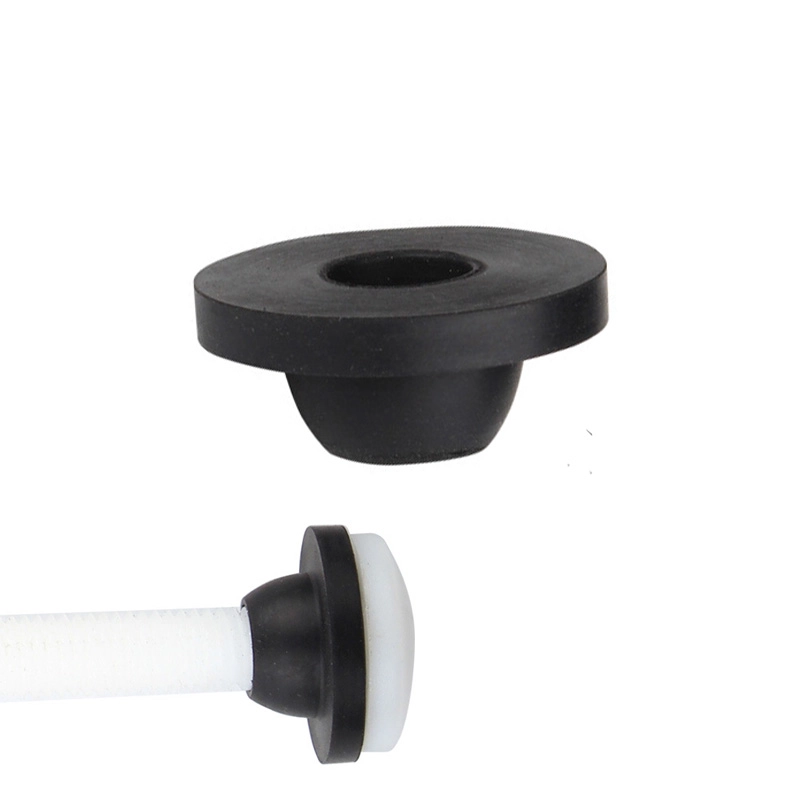 Conical Rubber Washers for Toilet Bolts Factory Wholesale