

Flush Valve Seal Price Guide: What Determines the Cost of a Quality Flush Valve Seal?
When sourcing toilet flush valve seals for manufacturing, distribution, or maintenance projects, one of the most common questions buyers ask is: "What is the price of a flush valve seal?"
The answer depends on several factors, including material type, seal dimensions, manufacturing process, customization requirements, and order quantity.
Whether you are a toilet manufacturer, flush valve producer, plumbing parts distributor, or sanitary ware wholesaler, understanding flush valve seal pricing can help you make better purchasing decisions and improve your supply chain efficiency.
In this guide, we'll explore the key factors that influence flush valve seal prices and how to find the best balance between cost, quality, and long-term performance.
What Is a Flush Valve Seal?
A flush valve seal is a critical rubber or silicone component installed inside a toilet tank flush valve assembly. Its primary function is to create a watertight seal between the flush valve and valve seat.
When the seal wears out, toilets may experience:
Continuous running water
Water leakage into the bowl
Weak flushing performance
Increased water bills
Frequent maintenance requirements
Because the flush valve seal directly affects toilet performance, choosing the right material and quality level is essential.
Average Flush Valve Seal Price Range
The cost of a flush valve seal can vary significantly depending on the application and specifications.
Typical OEM factory pricing for bulk orders may range from:
| Product Type | Estimated OEM Price |
|---|---|
| Standard EPDM Flush Valve Seal | $0.10 - $0.50 per piece |
| Silicone Flush Valve Seal | $0.20 - $0.80 per piece |
| Customized Flush Valve Seal | $0.30 - $1.50+ per piece |
| NSF-Certified Material Seal | Depends on specifications |
Please note that pricing varies based on material grades, dimensions, tooling costs, production volume, packaging requirements, and certification standards.
For retail replacement parts sold through hardware stores or e-commerce platforms, prices are often several times higher than factory-direct wholesale prices.
Factors That Affect Flush Valve Seal Price
1. Material Selection
Material choice is one of the biggest pricing factors.
Common materials include:
EPDM Rubber
EPDM is the most popular material for toilet flush valve seals because it offers:
Excellent water resistance
Long service life
Strong aging resistance
Good flexibility
Competitive cost
For most toilet manufacturers, EPDM provides the best balance between performance and affordability.
Silicone Rubber
Silicone seals generally cost more than EPDM.
Advantages include:
Excellent temperature resistance
Superior flexibility
Longer lifespan in certain environments
Better performance under extreme conditions
Silicone is often selected for premium sanitary applications.
NBR Rubber
Nitrile rubber may be used for specific industrial or commercial applications where oil resistance is required.
However, it is less common in residential toilet systems.
2. Seal Size and Design Complexity
Larger seals require more raw material, which increases production costs.
Complex designs may include:
Multiple sealing lips
Custom profiles
Reinforced structures
Precision molding features
The more complex the geometry, the higher the tooling and manufacturing costs.
3. Mold Development Costs
For custom flush valve seal projects, mold development is often required.
Tooling costs depend on:
Product size
Structural complexity
Tolerance requirements
Expected production volume
Although mold investment increases the initial project cost, it significantly lowers the unit price for long-term mass production.
This is why OEM manufacturers typically recommend custom tooling for high-volume buyers.
4. Production Quantity
Order volume has a direct impact on pricing.
Generally:
Small orders have higher unit costs.
Medium-volume orders receive better pricing.
Large-volume orders achieve the lowest cost per unit.
Bulk purchasing allows manufacturers to optimize raw material procurement, machine setup, and labor efficiency.
For toilet manufacturers and distributors, annual procurement contracts often result in the most competitive pricing.
5. Certification Requirements
Some customers require special certifications or compliance standards.
Examples include:
NSF-compliant materials
ROHS compliance
REACH compliance
Drinking water safety standards
Certified materials often cost more than standard commercial grades because of stricter material controls and testing procedures.
Why the Cheapest Flush Valve Seal Is Not Always the Best Choice
Many buyers focus solely on the lowest unit price.
However, low-cost seals often lead to:
Premature failure
Leakage complaints
Warranty claims
Increased replacement rates
Brand reputation issues
A high-quality flush valve seal may cost only a few cents more but can significantly improve product reliability and customer satisfaction.
For toilet manufacturers, the long-term savings often outweigh the small increase in component cost.
How OEM Manufacturers Reduce Flush Valve Seal Costs
Experienced OEM flush valve seal manufacturers can help buyers lower overall procurement costs through:
Material Optimization
Engineers can recommend the most cost-effective material based on performance requirements.
Design Improvement
Optimized seal geometry can reduce material consumption while maintaining sealing performance.
Automated Production
Modern compression molding and rubber injection molding technologies improve efficiency and reduce labor costs.
Bulk Manufacturing
Large-scale production enables lower per-unit pricing and more stable quality control.
How to Choose the Right Flush Valve Seal Supplier
When comparing suppliers, consider more than just price.
Look for a manufacturer that offers:
OEM and ODM capabilities
In-house mold development
Stable raw material sourcing
Strict quality control systems
Custom packaging options
Fast production lead times
Export experience for global markets
A reliable supplier can help ensure consistent product quality while maintaining competitive pricing.
Why Global Buyers Choose Custom Flush Valve Seal Manufacturers
Many toilet manufacturers and plumbing brands choose OEM flush valve seal factories because they provide:
Customized dimensions
Brand-specific designs
Material selection support
Cost optimization
Consistent product quality
Long-term supply stability
Custom manufacturing also allows companies to differentiate their products in competitive markets.
Final Thoughts
The price of a flush valve seal depends on much more than the raw material cost. Factors such as material selection, seal design, tooling investment, production volume, and certification requirements all contribute to the final price.
For most toilet manufacturers, distributors, and sanitary ware brands, working directly with an experienced OEM flush valve seal manufacturer is the most effective way to achieve competitive pricing while maintaining high product quality.
If you are sourcing custom EPDM or silicone flush valve seals, requesting a detailed quotation based on your drawings, samples, material requirements, and annual volume is the best way to obtain accurate pricing and maximize long-term value.
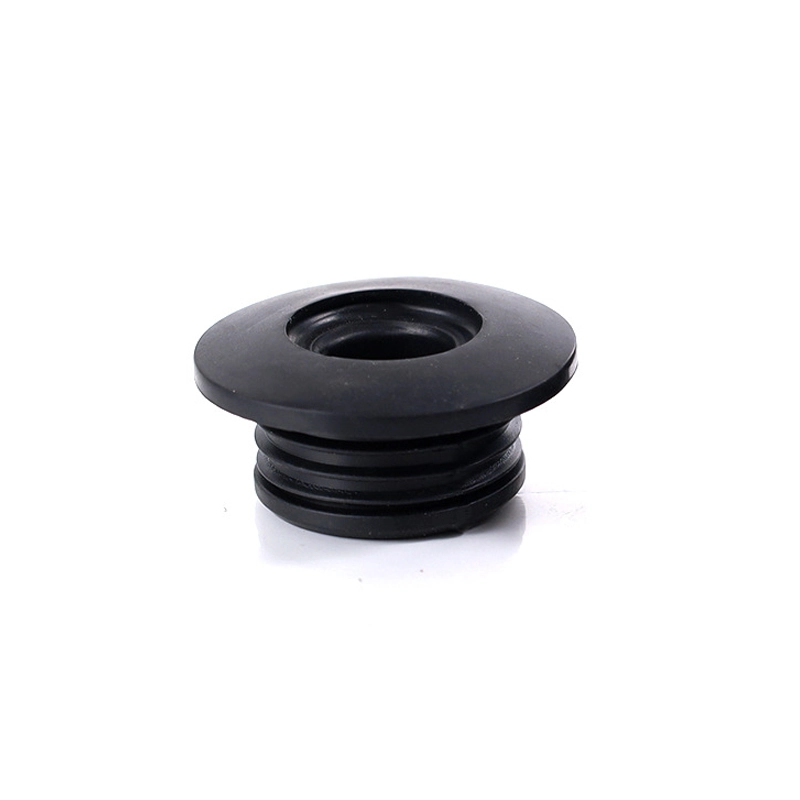 Urinal Sensor Inlet Seal Gasket Factory Replacement
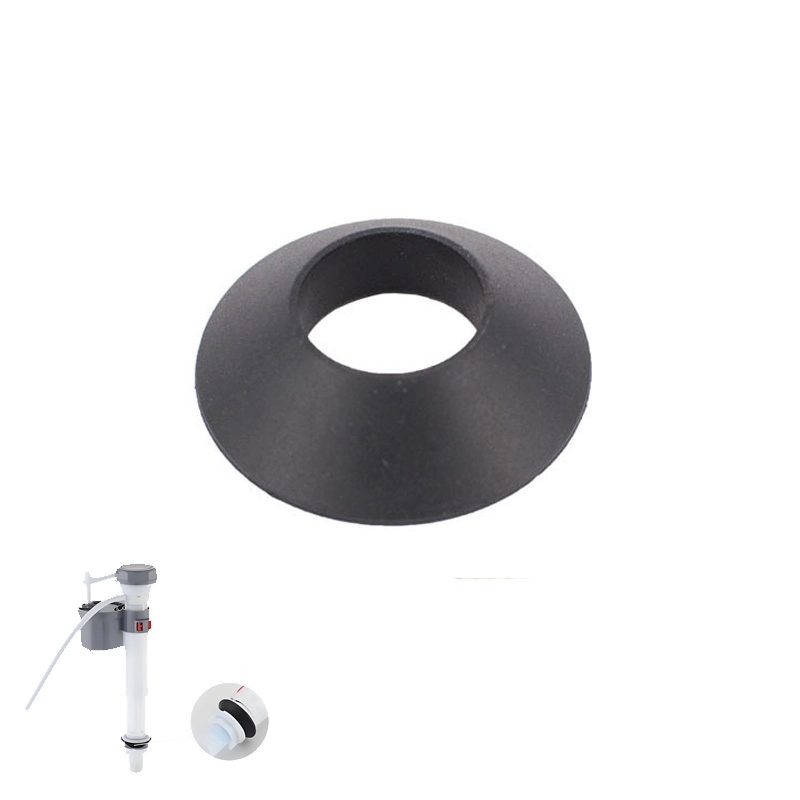 Toilet Tank Fill Valve Conical Seal Factory Replacement
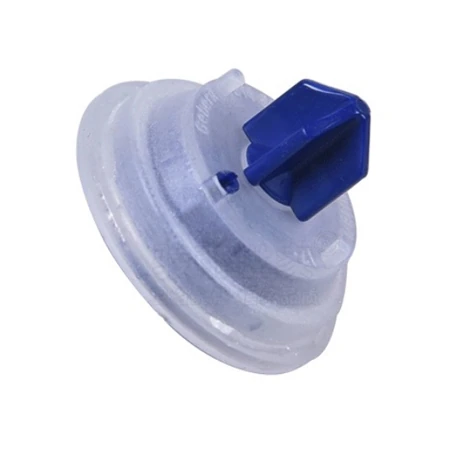 Wholesale Toilet Cistern Inlet Valve Diaphragm Washers
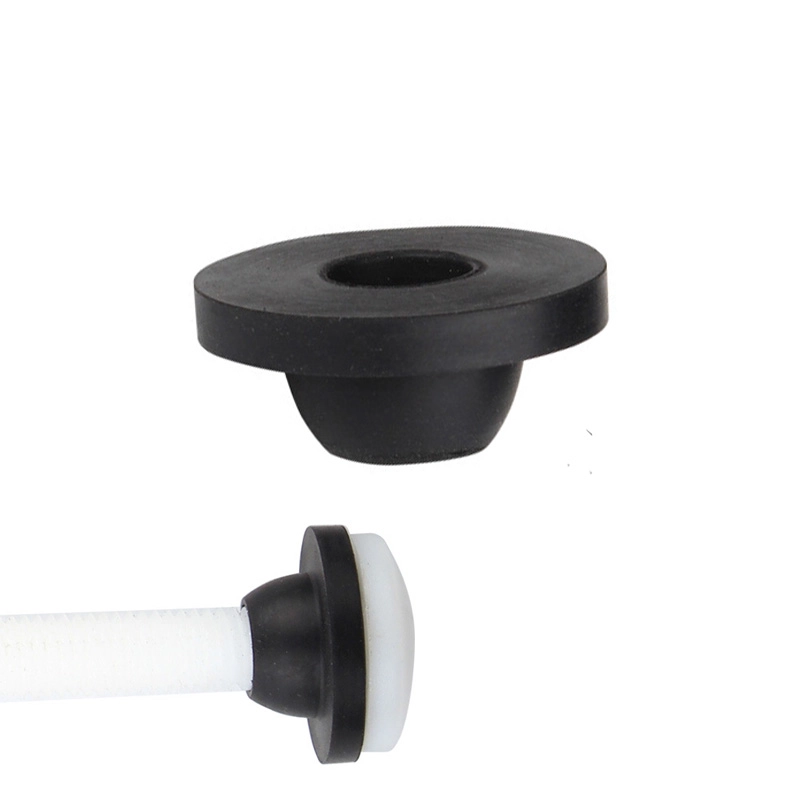 Conical Rubber Washers for Toilet Bolts Factory Wholesale