

How to Replace Toilet Fill Valve Seal (Step-by-Step Guide)
A leaking toilet tank is one of the most common household plumbing problems. In many cases, the issue is caused by a worn toilet fill valve seal inside the tank. Replacing this small rubber or silicone component can quickly stop leaks, reduce water waste, and restore proper tank refilling.
In this guide, you'll learn how to replace a toilet fill valve seal, what tools you need, and tips to extend the lifespan of your toilet components. If you are sourcing parts for maintenance or plumbing supply, you may also want to understand the design and materials used in a toilet fill valve seal.
What Is a Toilet Fill Valve Seal?
A toilet fill valve seal is a small gasket or sealing ring located inside the fill valve assembly. Its job is to control water flow from the supply line into the toilet tank. When the seal becomes worn, cracked, or hardened, water may continue flowing even after the tank is full.
Common symptoms of a failing toilet fill valve seal include:
Continuous or intermittent toilet running
Slow tank refilling
Water leaking into the overflow tube
Increased water bills
If you notice these issues, replacing the seal is often the fastest and most affordable fix.
For a deeper understanding of seal types and materials, see our guide:
Toilet Fill Valve Seal Replacement Parts: Materials and Types
Tools and Materials Needed
Before starting the repair, prepare the following tools and parts:
Tools
Adjustable wrench
Small flathead screwdriver
Towel or sponge
Bucket
Replacement Parts
Compatible toilet fill valve seal
Optional: new fill valve assembly if the valve is heavily worn
Choosing a high-quality toilet fill valve seal made of silicone or durable rubber can improve durability and reduce maintenance frequency.
Related reading:
How Long Does a Toilet Fill Valve Seal Last?
Step-by-Step: How to Replace Toilet Fill Valve Seal
1. Turn Off the Water Supply
Locate the shut-off valve behind the toilet and turn it clockwise until the water stops flowing.
Flush the toilet to empty most of the tank water.
Use a sponge or towel to remove any remaining water in the tank.
2. Remove the Fill Valve Cap
Most modern fill valves have a removable top cap.
Steps:
Hold the fill valve body with one hand
Twist or lift the cap according to the valve design
Carefully remove the internal seal
Inside the cap you will find the toilet fill valve seal, which is usually a small rubber disc or gasket.
3. Inspect the Old Toilet Fill Valve Seal
Check the seal for common signs of wear:
Cracks or splits
Deformation
Hardening of rubber
Mineral buildup
If any of these are present, the toilet fill valve seal should be replaced immediately.
You can also clean the valve interior to remove sediment before installing the new seal.
4. Install the New Toilet Fill Valve Seal
Insert the new toilet fill valve seal into the same position as the original.
Make sure:
The seal sits flat
The edges align correctly
No debris is trapped underneath
Using a high-precision silicone toilet fill valve seal can improve sealing performance and reduce leakage risk.
For wholesale or OEM parts, check:
Toilet Tank Fill Valve Conical Seal Gasket Wholesale Custom
5. Reassemble the Fill Valve
Once the new toilet fill valve seal is installed:
Reattach the valve cap
Secure it by twisting or snapping it back into place
Ensure the cap is properly locked
6. Turn the Water Back On
Slowly open the water supply valve and allow the tank to refill.
Observe the tank for a few minutes to confirm:
The fill valve stops when the tank is full
No water flows into the overflow tube
The toilet operates normally
If everything works correctly, the toilet fill valve seal replacement is complete.
Tips to Extend the Life of a Toilet Fill Valve Seal
Proper maintenance can help your toilet fill valve seal last longer.
Helpful tips:
Clean the toilet tank once or twice per year
Avoid harsh chemical cleaners inside the tank
Replace worn components early
Use high-quality silicone seals
On average, a toilet fill valve seal can last 3–7 years, depending on water quality and usage.
When Should You Replace the Entire Fill Valve?
Sometimes replacing the toilet fill valve seal alone may not solve the problem.
Consider replacing the full valve if:
The valve body is cracked
The float mechanism is damaged
The toilet is over 10 years old
The valve frequently sticks
However, in most cases, replacing the toilet fill valve seal is enough to restore normal operation.
Choosing the Right Toilet Fill Valve Seal Supplier
If you are a plumbing distributor, brand owner, or repair parts supplier, selecting a reliable manufacturer is essential.
A quality toilet fill valve seal supplier should offer:
Food-grade silicone or durable rubber materials
Custom sizes and OEM design
Stable sealing performance
Wholesale supply with consistent quality
Learn more about professional manufacturing solutions:
Toilet Flush Valve Seal Manufacturer Guide
Final Thoughts
Replacing a toilet fill valve seal is a simple and cost-effective repair that can stop a running toilet and prevent unnecessary water waste. With just a few tools and a compatible seal, most homeowners can complete this repair in under 15 minutes.
Regular maintenance and high-quality components will help ensure your toilet system works efficiently for years.
If you're looking for wholesale or custom toilet fill valve seal solutions, working with an experienced manufacturer can ensure better durability, precise fit, and long-term performance.
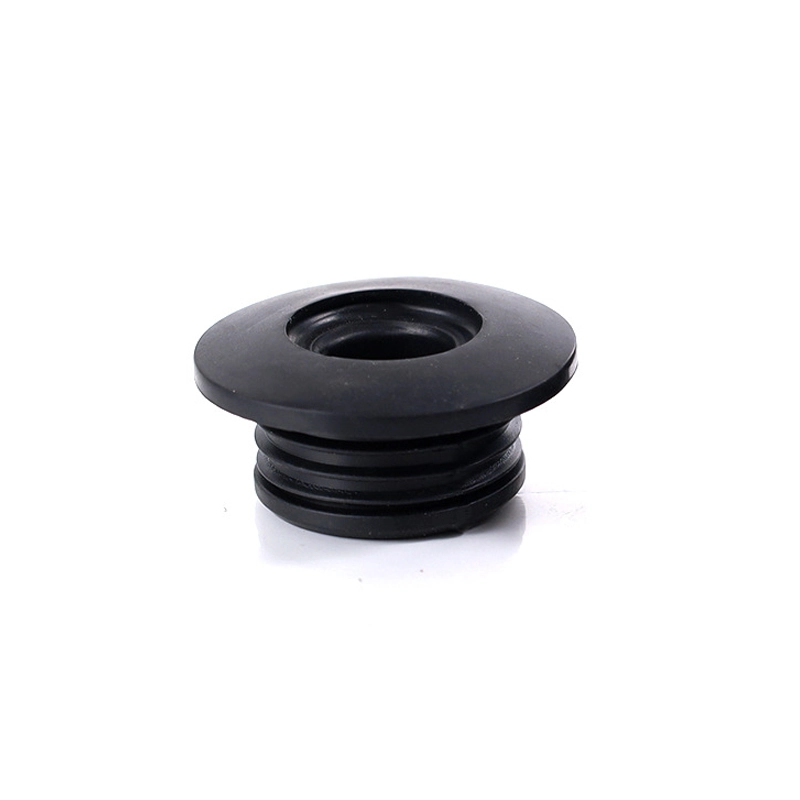 Urinal Sensor Inlet Seal Gasket Factory Replacement
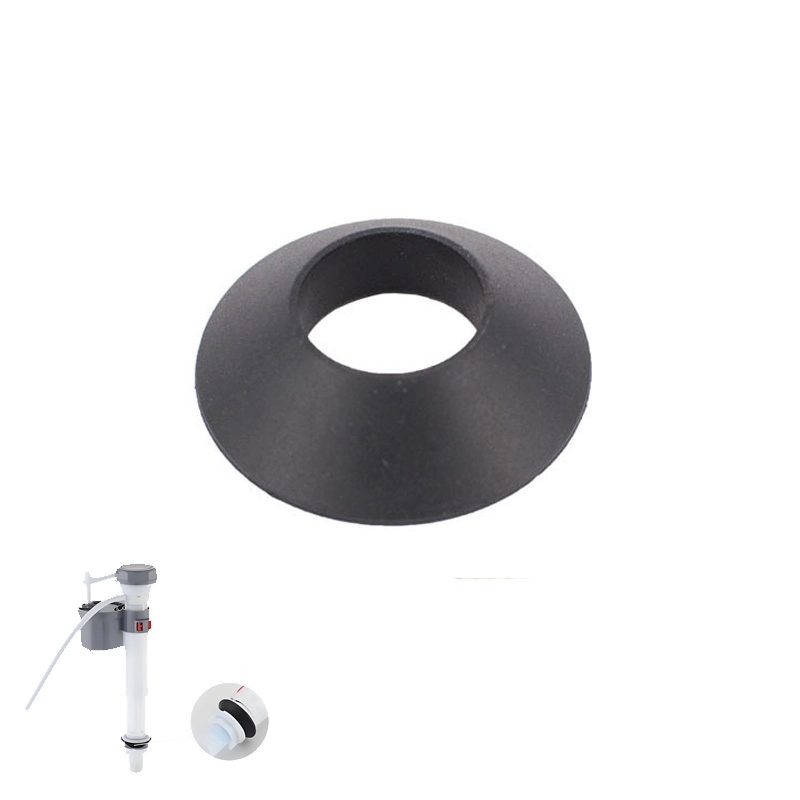 Toilet Tank Fill Valve Conical Seal Factory Replacement
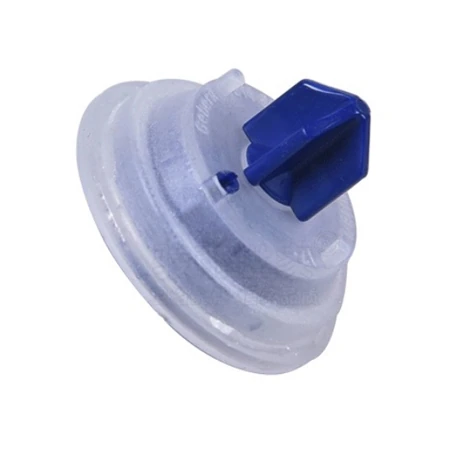 Wholesale Toilet Cistern Inlet Valve Diaphragm Washers
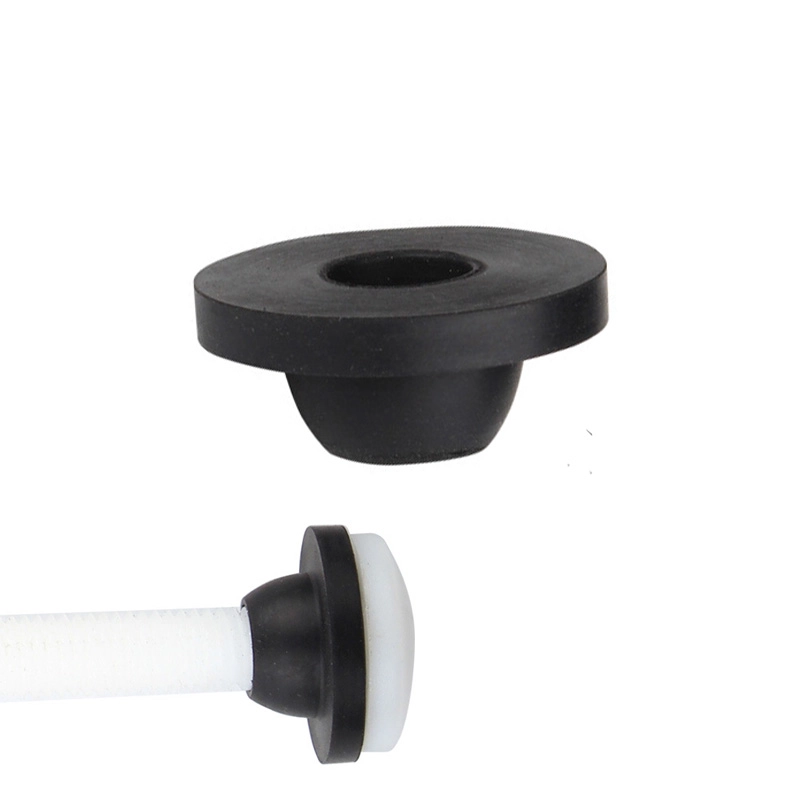 Conical Rubber Washers for Toilet Bolts Factory Wholesale