

How to Replace a Toilet Flush Valve Seal (Step-by-Step Guide)
Replacing a toilet flush valve seal is a common DIY maintenance task. In most cases, it requires only basic tools and about 30 minutes to complete. If your toilet tank keeps leaking water into the bowl or the toilet refills frequently, a worn flush valve seal may be the cause.
This guide explains how to replace the flush valve seal step by step. The instructions apply to most standard two-piece and one-piece toilets.
I. Preparation: Tools and Materials
Before starting, prepare the necessary tools and parts to avoid interruptions during the repair.
Tools
Adjustable wrench (or pipe wrench)
Flathead screwdriver
Dry cloths or paper towels
Sponge (optional for removing remaining water)
Protective gloves (optional)
Materials
New flush valve seal
Make sure the size and model match your existing seal. If unsure, take the old seal to a hardware store for comparison. Common materials include rubber and silicone.Petroleum jelly (optional)
Applying a thin layer can improve sealing performance and make installation easier.
II. Core Steps: Replace the Flush Valve Seal in 6 Steps
Step 1: Turn Off the Water Supply and Empty the Tank
Locate the shut-off valve under the toilet tank. Turn it clockwise to stop the water supply.
Flush the toilet to drain the tank completely. If a small amount of water remains at the bottom, use a sponge or cloth to absorb it.
This prevents water from leaking during the repair.
Step 2: Disconnect the Water Supply Line
Check the bottom of the tank. The water supply line connects to the fill valve.
Use an adjustable wrench to loosen the locknut by turning it counterclockwise. Carefully disconnect the supply line.
If the connection is stuck due to long-term use, gently wiggle it before pulling.
Step 3: Remove the Flush Valve (If Required)
The flush valve is usually secured with a large nut at the bottom of the tank.
Reach inside the tank and locate the nut connecting the flush valve to the toilet bowl.
Use a wrench to loosen the nut and remove it.
Then gently lift the flush valve upward and pull it out of the tank.
For some toilet models, the seal can be accessed without removing the entire flush valve. In that case, locate the ring-shaped seal at the bottom of the valve inside the tank.
Step 4: Remove the Old Seal and Clean the Contact Surface
Carefully remove the old flush valve seal.
If it is stuck due to aging or mineral buildup, gently pry it loose with a flathead screwdriver.
After removing the seal:
Wipe the bottom of the flush valve
Clean the tank opening
Remove dirt, limescale, or rubber debris
A clean contact surface ensures a proper seal and prevents future leaks.
Step 5: Install the New Seal
Place the new seal into the groove at the bottom of the flush valve.
Make sure it sits evenly without twisting or folding.
If desired, apply a thin layer of petroleum jelly to the seal.
Then reinstall the flush valve by inserting it into the tank opening.
Tighten the large bottom nut from outside the tank:
Hand-tighten first
Use a wrench to secure it slightly
Avoid overtightening, which may damage plastic parts or deform the seal.
Reconnect the water supply line and tighten the locknut.
Step 6: Turn On the Water and Test for Leaks
Turn the shut-off valve counterclockwise to restore the water supply.
Allow the tank to refill while checking for leaks at:
The flush valve base
The water supply connection
After the tank fills, flush the toilet once or twice.
Observe whether water continues leaking into the bowl.
If a small amount of seepage appears initially, wait about 10 minutes. Some new seals adjust slightly under water pressure.
III. Common Problems and Troubleshooting
1. The New Seal Still Leaks
Possible causes:
Incorrect seal size
Dirt or debris on the contact surface
Loose mounting nut
Solution:
Remove the seal, clean the surface again, and reinstall it properly. Ensure the seal size matches the original.
2. Flush Valve Does Not Reset Properly
Possible causes:
Misaligned flush valve
Incorrectly connected flush button rod
Solution:
Adjust the valve position and check that the connecting rod or chain is properly secured.
IV. Important Tips to Avoid Damage
Always turn off the water supply before starting.
Completely drain the tank before removing components.
When using a wrench, grip the flat sides of the nut to avoid slipping.
Do not overtighten plastic parts.
Conclusion
Replacing a toilet flush valve seal is a simple DIY repair that can fix common problems such as toilet tank leaks, constant refilling, and weak flushing.
With basic tools and the correct replacement seal, most homeowners can complete this repair in about 30 minutes without professional assistance.
Regular inspection and timely replacement of worn seals can also extend the lifespan of your toilet’s flushing system.
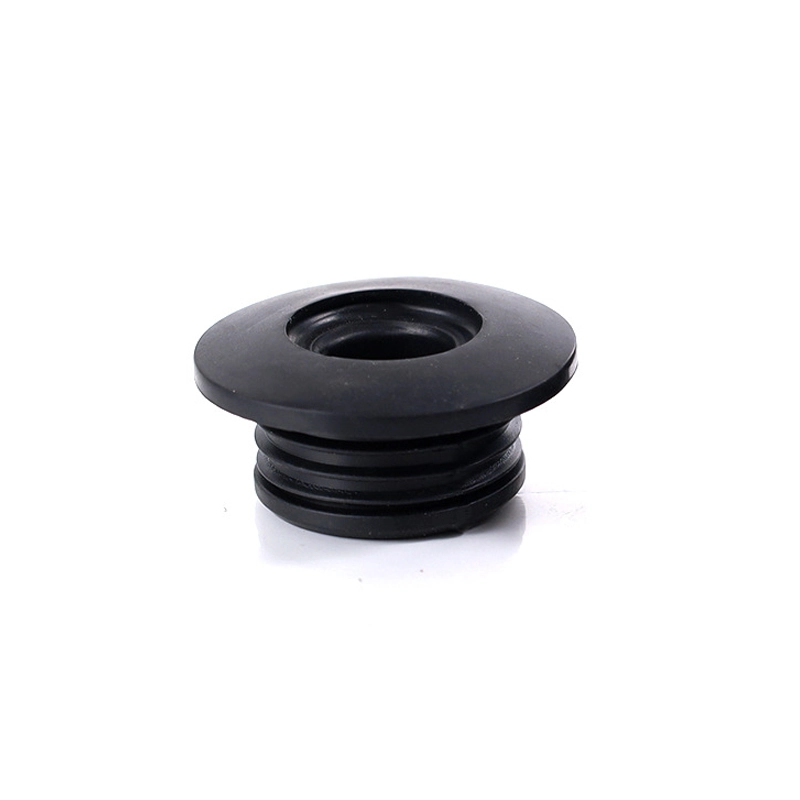 Urinal Sensor Inlet Seal Gasket Factory Replacement
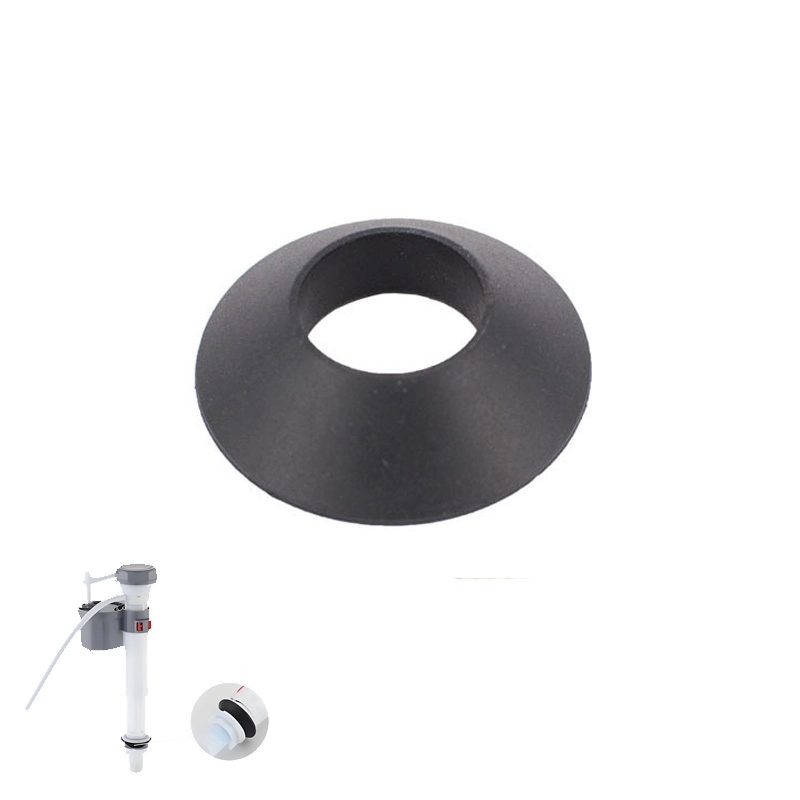 Toilet Tank Fill Valve Conical Seal Factory Replacement
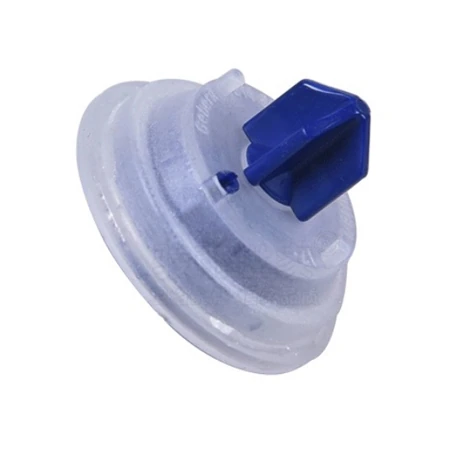 Wholesale Toilet Cistern Inlet Valve Diaphragm Washers
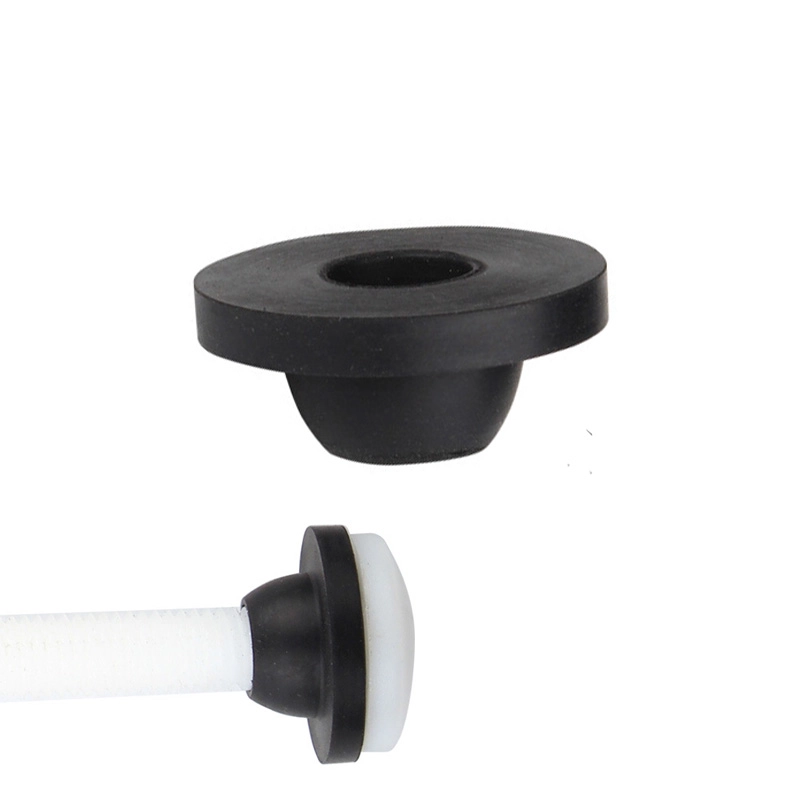 Conical Rubber Washers for Toilet Bolts Factory Wholesale