

How to Fix a Fill Valve in a Toilet (Step-by-Step Guide)
A faulty toilet fill valve can cause several common problems, such as no water entering the tank, constant running water, or leaks around the valve connection. Fortunately, fixing a toilet tank fill valve is usually a simple DIY task that requires only basic tools.
This guide explains how to diagnose and repair a toilet fill valve step by step, helping you fix over 90% of common toilet tank problems without calling a plumber.
1. Preparation Before Repairing the Toilet Fill Valve
Before starting the repair, take a few minutes to prepare the necessary tools and prevent water damage.
Turn Off the Water Supply
Locate the shut-off valve under the toilet and turn it clockwise to stop the water flow. Flush the toilet to empty the tank and soak up remaining water with a towel or sponge.
Gather Basic Tools
You may need:
Adjustable wrench or pliers
Phillips or flathead screwdriver
Towels or a small bucket
White vinegar (for removing limescale)
Replacement sealing rings or gaskets
Avoid Over-Tightening
Most toilet tank components are made of plastic, so avoid applying excessive force when tightening nuts to prevent cracking or stripped threads.
2. How to Fix Common Toilet Fill Valve Problems
Problem 1: No Water Entering the Toilet Tank
If your toilet tank does not refill after flushing, the issue is usually a clogged filter screen or improperly adjusted float.
Clean the Fill Valve Filter
Unscrew the filter cap at the bottom of the fill valve.
Remove the nylon filter screen inside.
Rinse it with clean water.
If heavy limescale is present, soak it in white vinegar for 10 minutes, then scrub and reinstall.
Adjust the Float
Two common float designs exist:
Ball Float Type
Lift the clip on the float arm upward.
A higher float allows the tank to fill longer before shutting off.
Float Cup Type
Turn the adjustment screw on top of the float clockwise to raise the float level.
Ensure the float can move freely up and down.
Test the Valve
Turn the water supply back on. If water still does not enter the tank, the internal valve piston may be damaged, and the fill valve should be replaced.
Problem 2: Toilet Keeps Running After the Tank Is Full
If water continues flowing and drains through the overflow pipe, the float or sealing ring may be faulty.
Check the Float
If the float ball has cracked and filled with water, replace it.
If the float arm is bent or stuck against the tank wall, gently straighten it.
Replace the Sealing Ring
Remove the cap on top of the fill valve.
Take out the rubber sealing ring (O-ring or gasket).
Replace it with a new one and reinstall the valve cap.
Adjust the Overflow Pipe
If the overflow pipe is too low:
Loosen the nut at the bottom.
Raise the pipe 2–3 cm higher.
Tighten the nut again.
If the toilet still runs continuously, the fill valve assembly is likely worn out and should be replaced.
Problem 3: Water Leaking Around the Fill Valve
Leaks usually occur at the tank connection or hose fittings.
Tighten the Connection Nuts
Tighten the fixing nut under the tank using a wrench.
Tighten the hose connection nuts at both ends.
Replace the Rubber Gasket
If tightening does not stop the leak:
Remove the fill valve.
Check the rubber gasket inside the tank.
Replace it if it is worn, cracked, or deformed.
Inspect the Water Supply Hose
If the hose is cracked or aging, replace it with a steel-braided flexible hose of the same length.
3. When to Replace the Toilet Fill Valve
If your fill valve is more than 5 years old or cannot be repaired, replacing it is often the easiest solution.
Steps for Toilet Fill Valve Replacement
Remove the old valve by unscrewing the fixing nut outside the tank.
Insert the new valve through the tank opening.
Install the sealing gasket inside the tank.
Tighten the fixing nut underneath the tank.
Reconnect the water supply hose.
Turn the water back on and check for leaks.
Adjust the float so the water level stops about 1–2 cm below the top of the overflow pipe.
4. Maintenance Tips to Extend Fill Valve Life
To keep your toilet fill valve working properly, follow these simple maintenance tips:
Clean the filter screen every 1–2 years to remove sediment and limescale.
Use universal replacement parts unless your toilet requires brand-specific components.
Periodically check the float and valve seals for wear.
If leaks persist, the toilet tank inlet may be cracked, which may require professional repair.
FAQ About Toilet Fill Valves
Why is my toilet fill valve making noise?
A noisy fill valve is usually caused by sediment buildup or worn internal parts. Cleaning the filter or replacing the valve typically solves the problem.
Can I replace a toilet fill valve myself?
Yes. Most toilet fill valve replacements take about 20–30 minutes and only require basic tools.
How long does a toilet fill valve last?
A typical fill valve lasts 5–7 years, depending on water quality and usage.
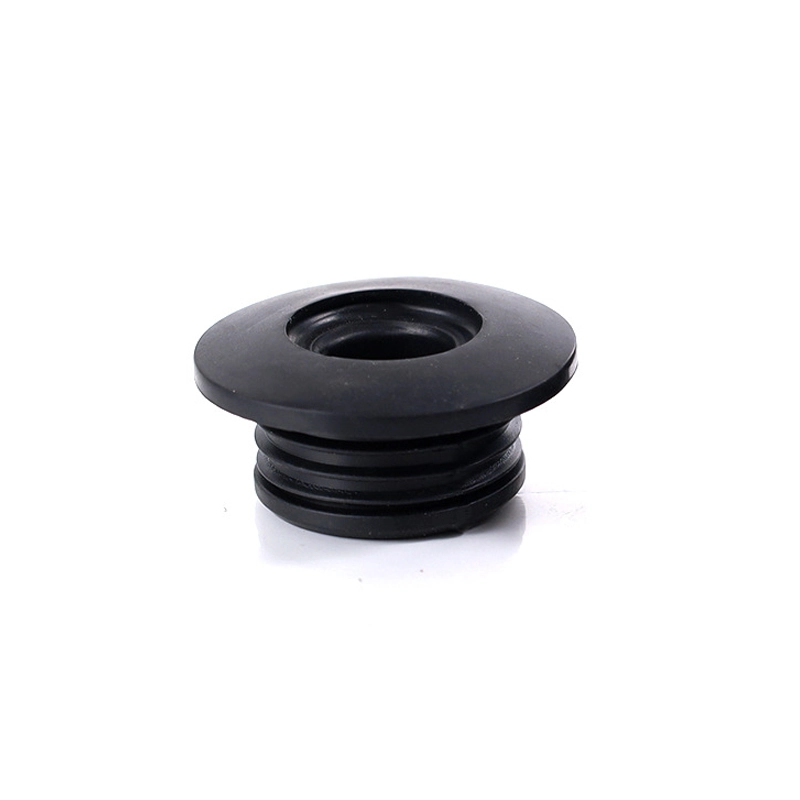 Urinal Sensor Inlet Seal Gasket Factory Replacement
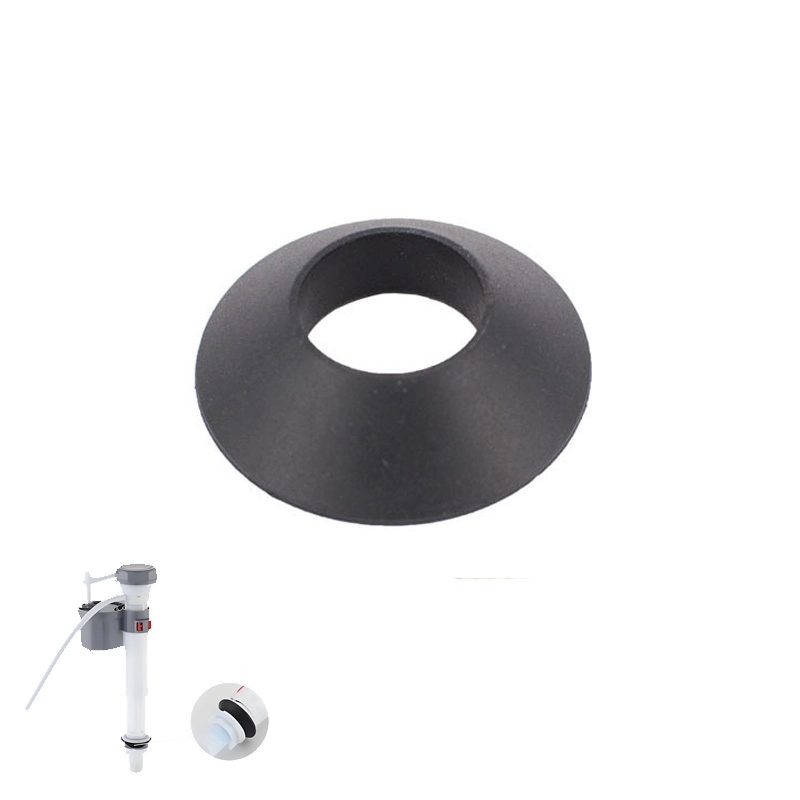 Toilet Tank Fill Valve Conical Seal Factory Replacement
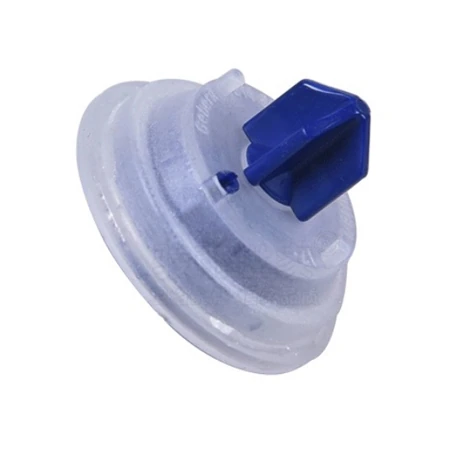 Wholesale Toilet Cistern Inlet Valve Diaphragm Washers
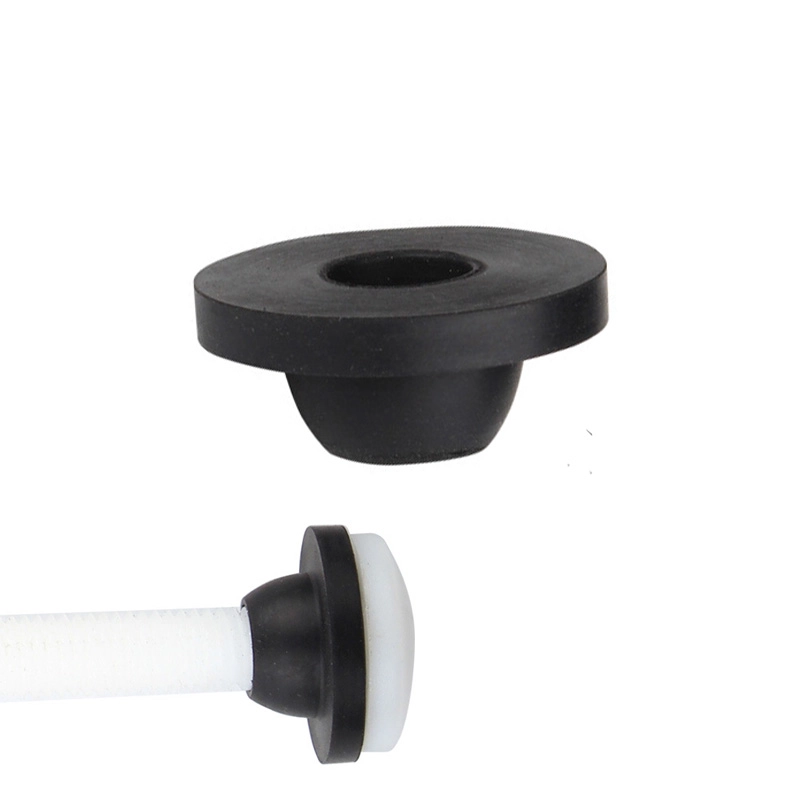 Conical Rubber Washers for Toilet Bolts Factory Wholesale