

Toilet Rubber Seal Leaking When Flushing (Causes, Fix & Wholesale Replacement Guide)
A toilet rubber seal leaking when flushing is one of the most common plumbing issues faced by homeowners, property managers, and maintenance professionals. While the problem may seem minor at first, a worn or damaged rubber seal can lead to continuous water loss, increased utility bills, and long‑term toilet performance issues.
For wholesalers, distributors, and plumbing suppliers, understanding the causes and solutions behind toilet rubber seal leaks is essential. Offering high‑quality replacement seals not only solves customer problems but also improves customer retention and repeat business.
This guide explains:
Why toilet rubber seals leak when flushing
How to identify the problem quickly
Step‑by‑step repair solutions
How to choose durable replacement seals
Why wholesale buyers should stock high‑quality seals
What Is a Toilet Rubber Seal?
A toilet rubber seal is a flexible gasket located inside the toilet tank. It creates a watertight seal between the flush valve and the tank to prevent water from leaking into the toilet bowl.
When you press the flush handle:
The flush valve opens
Water flows into the bowl
The rubber seal closes again
The tank refills
If the rubber seal is worn, cracked, or misaligned, water leaks during or after flushing.
Common Signs of a Toilet Rubber Seal Leaking When Flushing
If you notice any of the following symptoms, your toilet rubber seal may be leaking:
1. Water Continues Running After Flushing
One of the most obvious signs is continuous water flow after flushing. The seal may not close properly, allowing water to leak into the bowl.
2. Weak or Incomplete Flush
A leaking seal reduces tank water volume, resulting in weak flushing performance.
3. Phantom Flushing
Your toilet refills periodically without being used. This happens when water slowly leaks past the rubber seal.
4. Higher Water Bills
A small leak can waste hundreds of gallons of water per month.
5. Visible Wear or Deformation
Rubber seals may show:
Cracks
Hardening
Warping
Mineral buildup
These signs indicate it's time for replacement.
Why Toilet Rubber Seal Leaks When Flushing
Several factors can cause toilet rubber seals to leak:
1. Normal Wear and Tear
Rubber seals typically last 2–5 years depending on water quality and usage frequency.
Frequent flushing accelerates wear, especially in commercial environments.
2. Hard Water Mineral Buildup
Mineral deposits from hard water can:
Prevent proper sealing
Cause uneven surfaces
Reduce seal flexibility
3. Chemical Cleaners Damage
Some toilet tank cleaners contain harsh chemicals that:
Break down rubber
Cause premature cracking
Reduce seal elasticity
4. Improper Installation
A poorly installed seal may:
Sit unevenly
Shift during flushing
Allow water leakage
5. Low‑Quality Rubber Materials
Low‑grade rubber seals deteriorate faster, especially in:
High‑temperature environments
Hard water areas
High‑frequency usage locations
How to Fix a Toilet Rubber Seal Leaking When Flushing
Step 1: Turn Off Water Supply
Shut off the water valve behind the toilet before starting repairs.
Step 2: Drain the Tank
Flush the toilet to empty most of the water.
Step 3: Inspect the Rubber Seal
Check for:
Cracks
Deformation
Mineral buildup
Hardening
Step 4: Clean the Seal (Temporary Fix)
If the seal is still flexible:
Remove mineral buildup
Clean with warm water
Reinstall the seal
This may temporarily fix minor leaks.
Step 5: Replace the Rubber Seal (Recommended)
If the seal shows wear, replacement is the best long‑term solution.
Replacement Steps
Remove old rubber seal
Clean flush valve seat
Install new seal
Refill tank
Test flushing performance
Most replacements take less than 10 minutes.
Choosing High‑Quality Toilet Rubber Seals for Wholesale Buyers
For distributors and B2B buyers, selecting durable rubber seals is critical.
1. Silicone vs Rubber Materials
Silicone seals offer:
Longer lifespan
Better temperature resistance
Improved flexibility
Reduced deformation
Traditional rubber seals offer:
Lower cost
Wide compatibility
Easy installation
Many professional buyers now prefer silicone‑enhanced rubber seals.
2. Universal Compatibility
Look for seals compatible with:
2‑inch flush valves
3‑inch flush valves
Multiple toilet brands
Universal designs reduce inventory complexity.
3. Thickness and Durability
Thicker seals typically:
Last longer
Seal better
Resist deformation
4. OEM & Custom Options
Reliable manufacturers provide:
OEM customization
Private label packaging
Bulk pricing
Fast delivery
These features help distributors grow their brand.
Applications for Toilet Rubber Seal Replacement
Toilet rubber seal replacement parts are widely used in:
Residential homes
Hotels
Office buildings
Schools
Hospitals
Property management companies
Plumbing contractors
High‑quality seals are especially important in commercial environments where toilets are used frequently.
Why Stock Toilet Rubber Seals for B2B Business
High Demand Maintenance Product
Toilet seals are replacement parts with continuous demand.
Low Cost, High Turnover
Small parts with strong repeat purchase potential.
Easy Storage and Shipping
Compact size reduces logistics costs.
Compatible With Multiple Markets
Suitable for:
Hardware stores
Plumbing distributors
Online retailers
Maintenance suppliers
Preventing Toilet Rubber Seal Leaks
To extend seal lifespan:
Avoid harsh tank cleaners
Use high‑quality replacement seals
Inspect annually
Replace before complete failure
Preventive maintenance reduces emergency repairs.
Conclusion
A toilet rubber seal leaking when flushing is a common but easily fixable problem. Replacing worn seals improves flushing performance, prevents water waste, and extends toilet lifespan.
For wholesalers and distributors, offering high‑quality toilet rubber seal replacements provides consistent demand, strong margins, and long‑term customer value.
Investing in durable materials, universal compatibility, and reliable suppliers helps businesses stay competitive in the growing plumbing replacement parts market.
FAQ: Toilet Rubber Seal Leaking When Flushing
How often should a toilet rubber seal be replaced?
Most rubber seals last 2–5 years depending on usage and water quality.
Can I fix a leaking seal without replacing it?
Cleaning may help temporarily, but replacement is the most reliable solution.
Are universal toilet rubber seals reliable?
Yes, high‑quality universal seals are designed to fit most standard flush valves.
Do silicone seals last longer than rubber?
Yes, silicone seals generally offer better durability and longer lifespan.
B2B Wholesale Toilet Rubber Seal Solutions
We provide:
High‑quality rubber & silicone seals
Universal compatibility designs
OEM customization
Bulk wholesale pricing
Fast global shipping
Contact us today to request samples or bulk pricing for toilet rubber seal replacement parts.
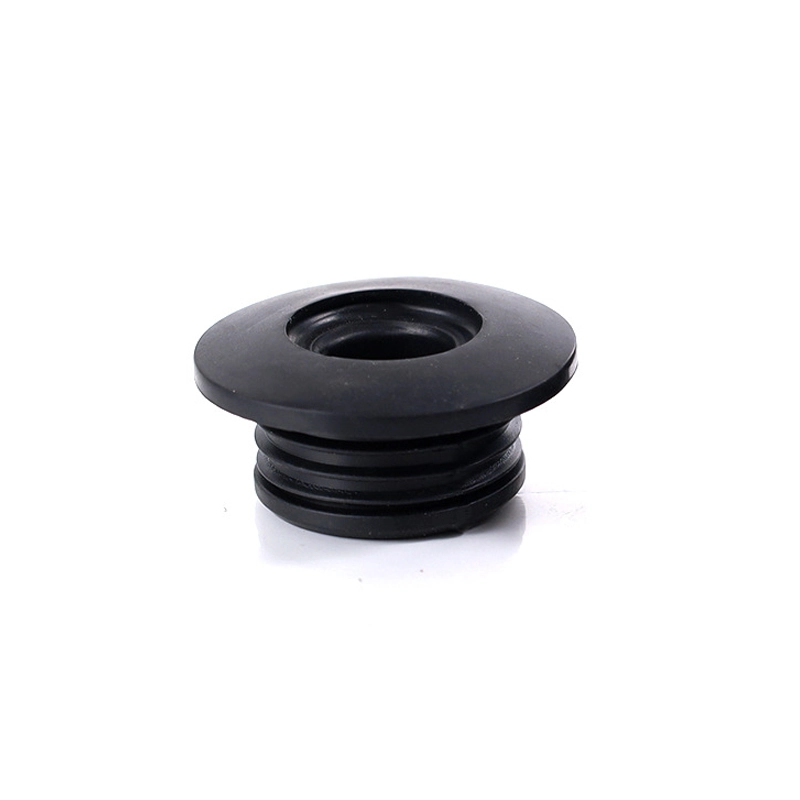 Urinal Sensor Inlet Seal Gasket Factory Replacement
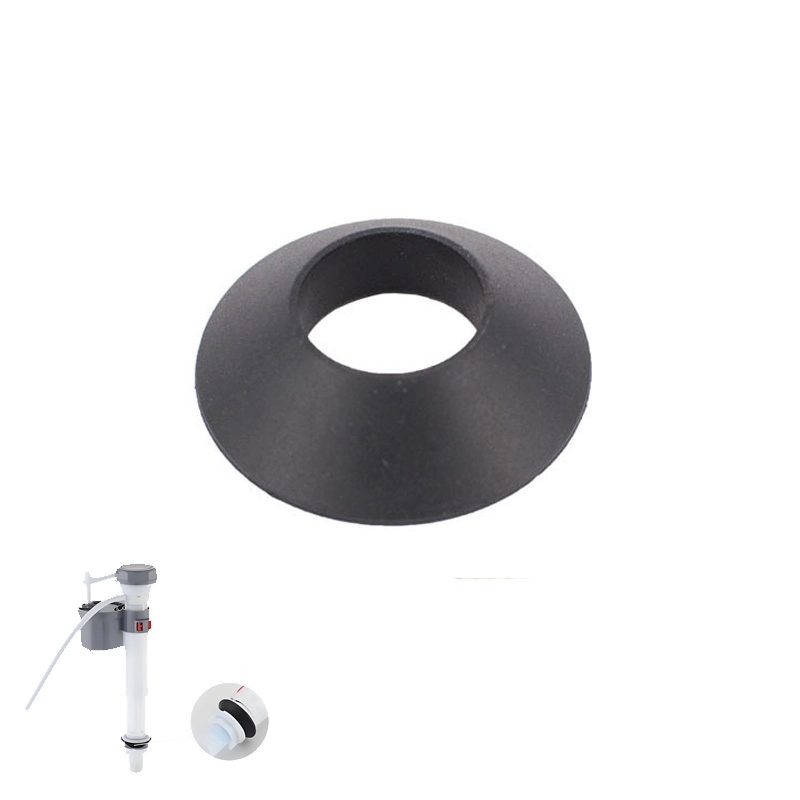 Toilet Tank Fill Valve Conical Seal Factory Replacement
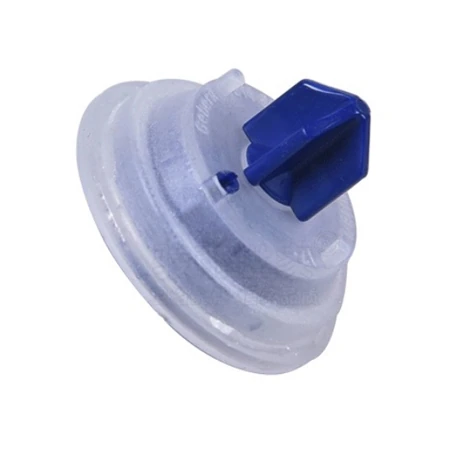 Wholesale Toilet Cistern Inlet Valve Diaphragm Washers
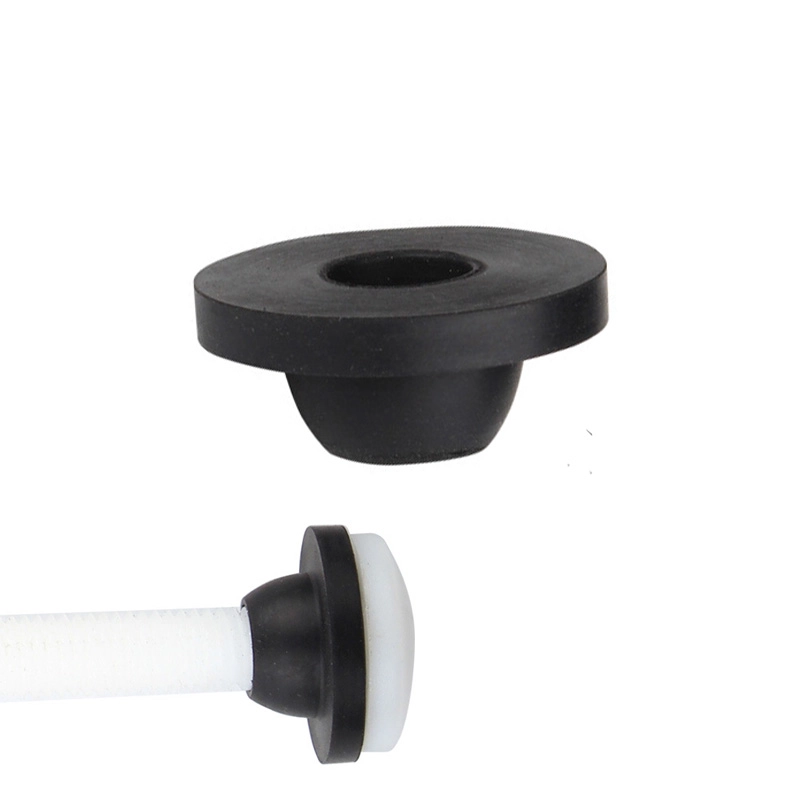 Conical Rubber Washers for Toilet Bolts Factory Wholesale