

Choosing the Right Toilet Seal Material: Rubber vs Silicone vs Wax Guide
Choosing the correct toilet seal material is essential for ensuring long-term performance, leak prevention, and water efficiency. Whether you are a homeowner planning a DIY repair, a plumbing contractor, or a purchasing manager sourcing replacement parts, understanding seal materials helps you make smarter decisions.
Why Toilet Seal Material Matters
A toilet seal plays a critical role in maintaining a watertight connection between key components such as the flush valve, fill valve, or toilet base. Poor material selection can lead to:
Water leakage and higher utility costs 💧
Frequent maintenance and replacement
Reduced flushing efficiency
Mold growth and unpleasant odors
Choosing a durable, compatible seal material ensures stable toilet performance and longer service life.
Common Toilet Seal Materials Explained
1. Rubber Toilet Seals
Rubber is one of the most widely used materials due to its flexibility and affordability.
Key benefits:
Good sealing performance
Cost-effective for mass replacement
Easy to install and widely available
Limitations:
May harden or crack over time
Less resistant to harsh chemicals
Shorter lifespan compared to premium materials
👉 Best for: Standard residential toilets and budget repairs.
2. Silicone Toilet Seals
Silicone seals are considered a premium option for modern plumbing systems.
Key benefits:
Excellent elasticity and durability 🛠️
Resistant to temperature changes and aging
Longer service life than traditional rubber
Better resistance to cleaning chemicals
Limitations:
Higher upfront cost
May not be necessary for short-term repairs
👉 Best for: High-quality toilet systems, commercial projects, or long-term reliability.
3. Wax Toilet Seals
Wax rings are commonly used at the toilet base to seal the connection between the toilet and floor drain.
Key benefits:
Strong, reliable sealing performance
Low cost and simple installation
Suitable for most standard flange setups
Limitations:
Single-use only
Sensitive to temperature changes
Difficult to reposition once installed
👉 Best for: Toilet base installation and replacement projects.
4. Foam or Rubber-Composite Seals
Modern plumbing innovations have introduced foam and composite materials as alternatives to wax.
Key benefits:
Cleaner installation process
Reusable in some cases
Lightweight and flexible
Limitations:
May not seal as tightly as wax in uneven floor conditions
Performance varies by product quality
👉 Best for: DIY installations and users seeking mess-free solutions.
How to Choose the Right Toilet Seal Material
When selecting a toilet seal, consider the following factors:
✅ Application Area
Flush valve or fill valve → Rubber or silicone
Toilet base flange → Wax or foam
✅ Durability Requirements
Short-term fix → Standard rubber
Long-term performance → Silicone
✅ Environmental Conditions
High temperature or chemical exposure → Silicone recommended
Stable indoor conditions → Rubber or wax sufficient
✅ Budget Considerations
Balancing upfront cost with replacement frequency helps reduce total maintenance expenses over time. 💰
Expert Tips for Better Toilet Seal Performance
Always confirm the correct seal size before purchasing
Clean the installation surface thoroughly
Avoid overtightening fittings to prevent seal deformation
Replace seals proactively if you notice leaks or flushing issues
These practical steps improve user satisfaction and reduce plumbing failures.
Conclusion
Selecting the right toilet seal material is a small decision that can make a big difference in plumbing efficiency and maintenance costs. By understanding the strengths of rubber, silicone, wax, and foam materials, you can choose a solution that delivers optimal sealing performance and long-term reliability.
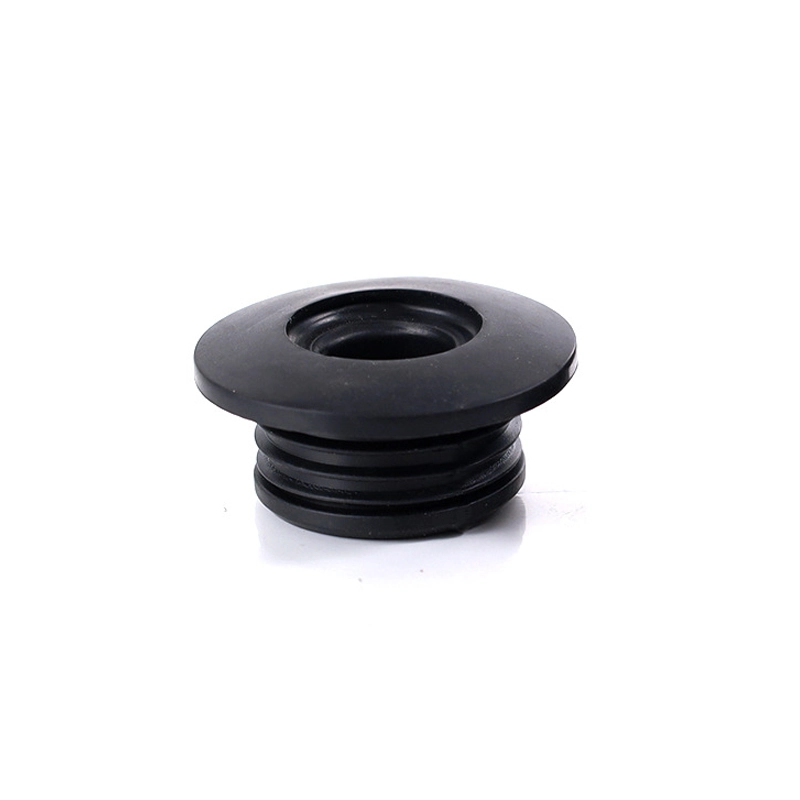 Urinal Sensor Inlet Seal Gasket Factory Replacement
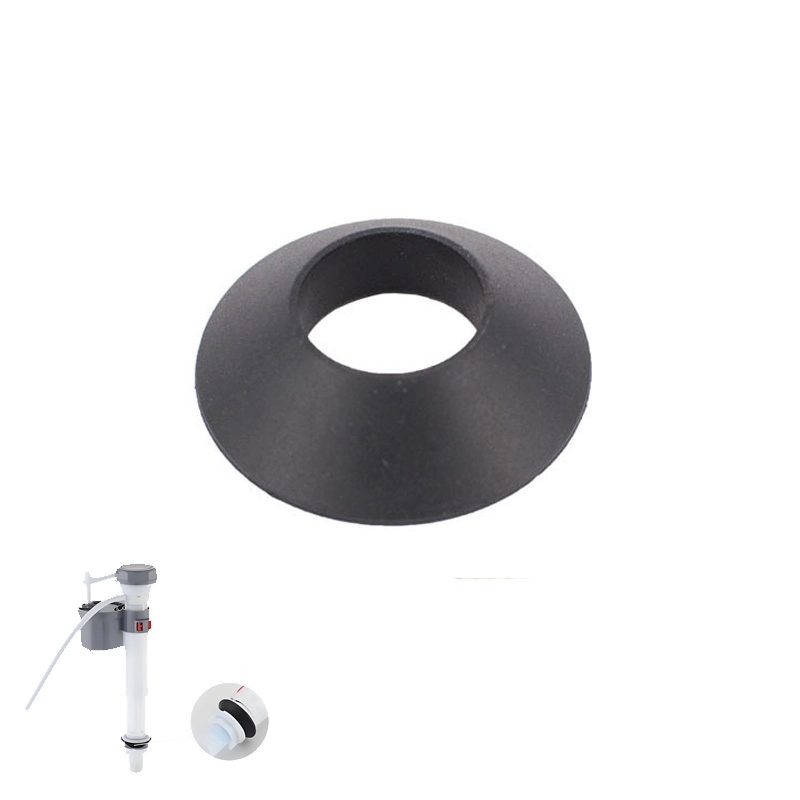 Toilet Tank Fill Valve Conical Seal Factory Replacement
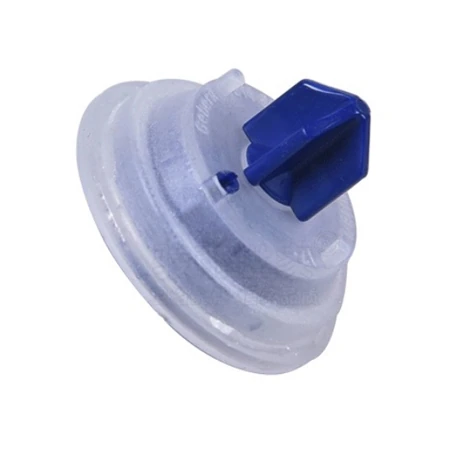 Wholesale Toilet Cistern Inlet Valve Diaphragm Washers
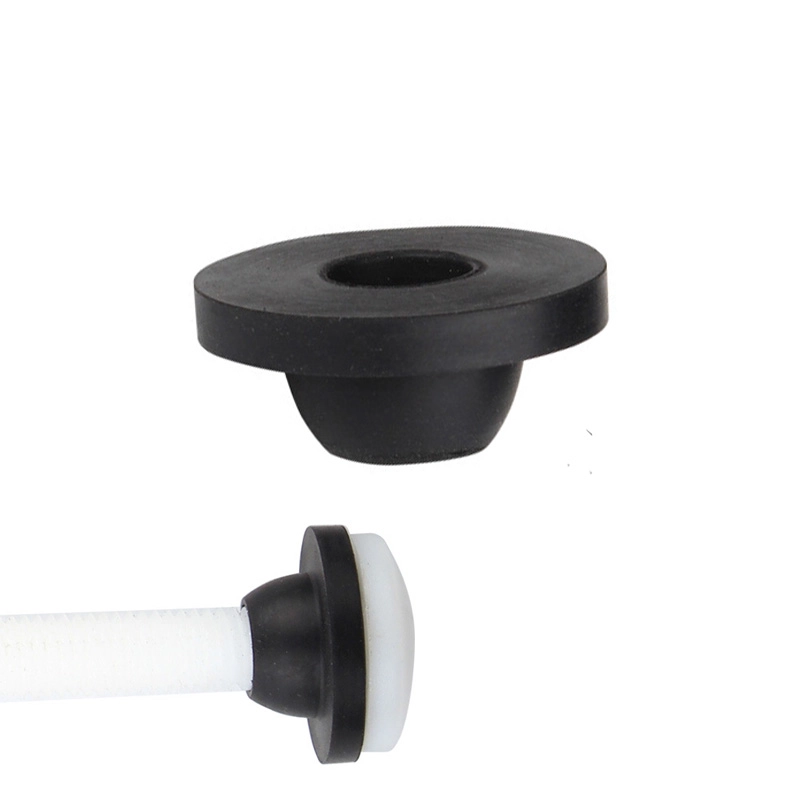 Conical Rubber Washers for Toilet Bolts Factory Wholesale