

How to Tell If a Toilet Fill Valve Seal Is Bad (Signs & Easy Fix Guide)
A toilet that keeps running, leaking, or making strange noises often indicates a problem inside the tank. One of the most common causes is a worn or damaged toilet fill valve seal.
Understanding how to diagnose this issue early can help you prevent water waste, reduce utility bills, and avoid costly plumbing repairs.
This guide explains the clear symptoms, simple tests, causes, and solutions to help homeowners quickly determine whether the fill valve seal needs replacement.
🔍 Common Signs of a Bad Toilet Fill Valve Seal
1. Toilet Tank Keeps Filling
If the fill valve seal cannot close properly, water may continue flowing into the tank even after it reaches the correct level.
What to check
Constant sound of running water
Water flowing into the overflow tube
Tank refilling repeatedly without flushing
This symptom usually indicates the seal is worn, misaligned, or hardened.
2. Water Leaks Around the Tank Connection
A deteriorated seal may allow water to escape from the connection between the fill valve and the tank.
Inspection tips
Check for wet spots on the tank base
Look for moisture on the floor near the toilet
Use a dry paper towel to test the connection area
Even a small leak can lead to mold growth or floor damage over time.
3. Whistling or Vibrating Noise During Filling
A damaged seal may disrupt normal water flow, causing unusual sounds.
Typical noise symptoms
High-pitched whistling
Humming or vibration
Noise increases when tank is nearly full
These sounds often indicate sealing pressure problems inside the valve.
🧪 Simple Tests to Confirm Seal Damage
Manual Shut-off Test
Turn off the toilet water supply valve.
Observe the tank water level for several minutes.
If the water level stabilizes → the fill valve seal may be faulty
If the water level drops → the issue may come from the flush valve instead
Replacement Comparison Test
Replacing the seal ring is one of the fastest diagnostic methods.
Basic steps
Shut off the main water supply
Drain the tank completely
Remove the fill valve retaining nut
Replace the old rubber seal with a compatible new one
Reassemble and test
If the problem disappears, the seal was the root cause.
⚠️ Why Toilet Fill Valve Seals Fail
Aging and Material Deterioration
Rubber seals naturally harden and crack after years of exposure to:
Mineral deposits
Cleaning chemicals
Water pressure fluctuations
Improper Installation
Using the wrong size seal or installing it incorrectly can cause:
Poor compression
Continuous leakage
Premature wear
Hard Water Scale Buildup
In areas with hard water, calcium deposits can accumulate around the seal and reduce sealing performance.
🔧 How to Fix the Problem
Option 1 — Replace the Seal (Recommended First)
Low cost
DIY friendly
Takes about 15–30 minutes
Tip: Apply a thin layer of silicone grease to improve sealing and extend lifespan.
Option 2 — Replace the Entire Fill Valve
If leaks continue or other parts are worn, installing a new fill valve assembly may be more effective.
This is still an affordable repair and can significantly improve toilet performance.
🛠️ Preventive Maintenance Tips
Check toilet tank operation every 6 months
Clean mineral buildup using white vinegar
Avoid harsh chemical cleaners
Install a water softener in hard water regions
Replace aging seals before major leakage occurs
✅ Final Thoughts
A faulty toilet fill valve seal is a small issue that can lead to major water waste if ignored.
If your toilet tank keeps filling, leaks externally, or produces unusual noises, inspecting the fill valve seal should be your first troubleshooting step.
Early replacement can restore proper flushing performance and extend the lifespan of your toilet system.
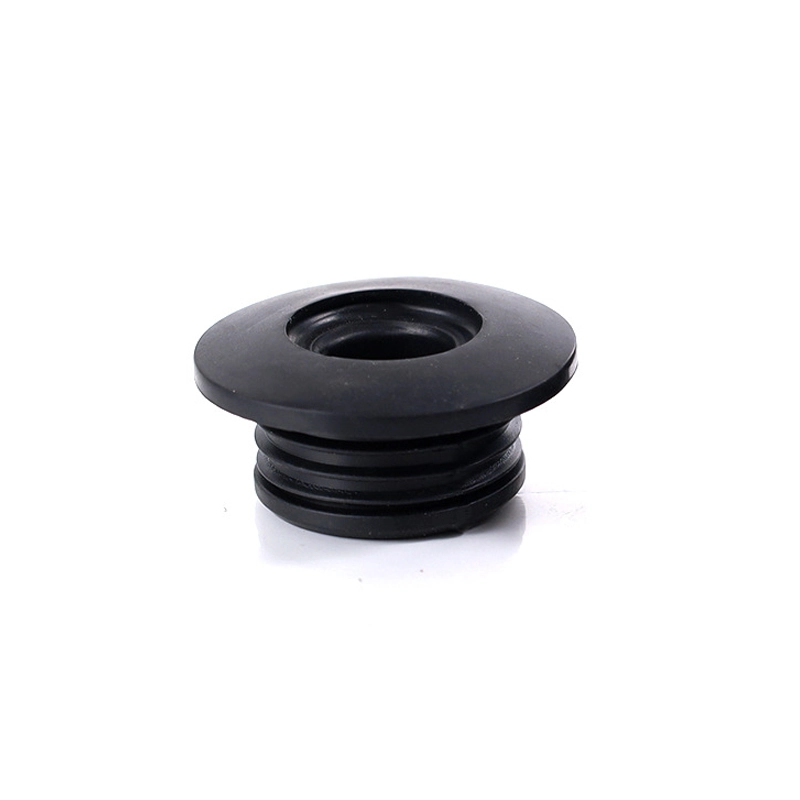 Urinal Sensor Inlet Seal Gasket Factory Replacement
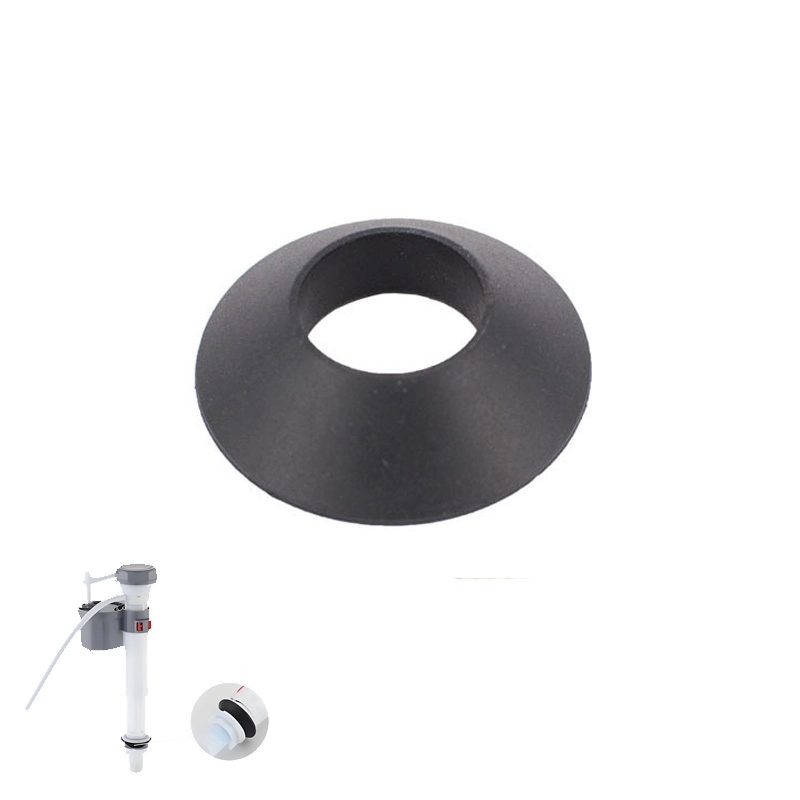 Toilet Tank Fill Valve Conical Seal Factory Replacement
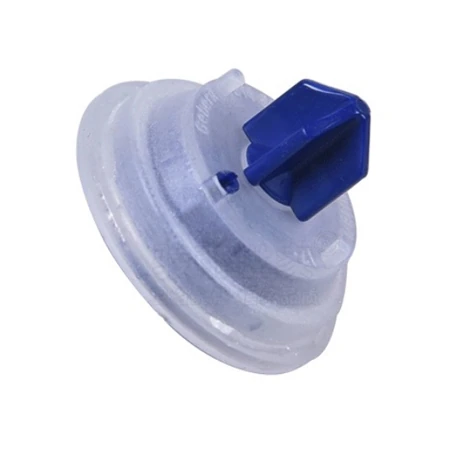 Wholesale Toilet Cistern Inlet Valve Diaphragm Washers
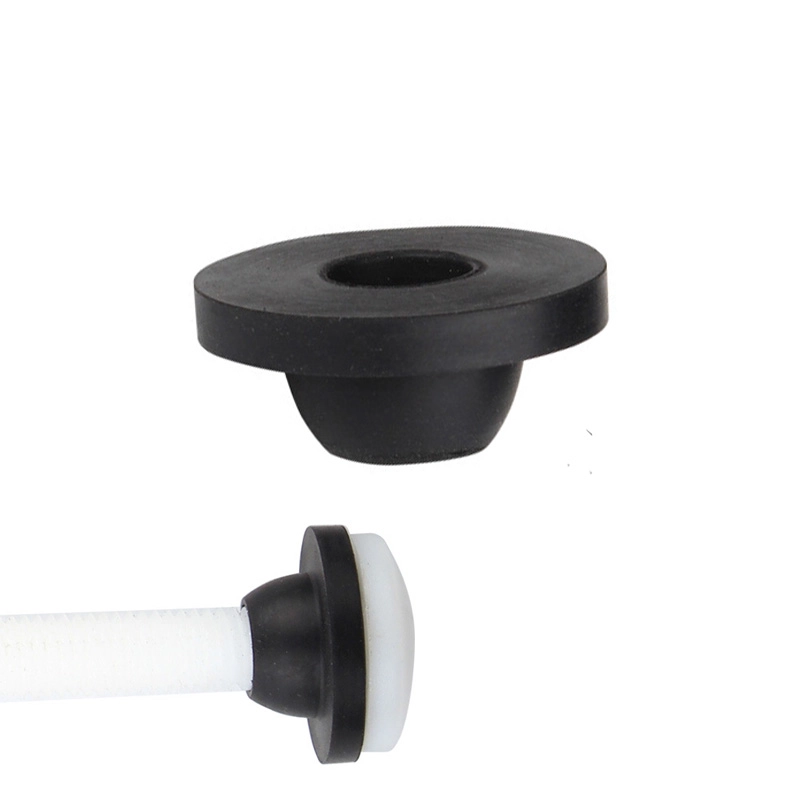 Conical Rubber Washers for Toilet Bolts Factory Wholesale