

How to Choose the Right Toilet Seal: Expert Guide for Homeowners
Selecting the correct toilet seal is critical for preventing leaks, maintaining hygiene, and ensuring long-term toilet performance. Many homeowners mistakenly rely solely on the toilet brand or model, leading to improper installation. This comprehensive guide provides step-by-step instructions, expert tips, and FAQs to help you pick the right toilet seal with confidence.
Why Measuring Your Toilet First Matters
Even the same toilet model may vary slightly across manufacturers. Using the wrong seal can lead to leaks, odors, or uneven installation. Accurate measurements are essential.
Tip: Always measure before purchasing a seal—brand or model alone is not reliable.
Related Guide: How to Replace a Toilet Flush Valve Seal
1. Essential Measurements for Toilet Seal Selection
Two measurements are crucial to ensure a proper fit:
1.1 Drain Opening Diameter (Inner Diameter)
The drain opening at the bottom of your toilet determines which seal will fit.
How to Measure:
Remove the old seal if present.
Use a tape measure to record the inner diameter of the drain opening. Measure the actual water passage, ignoring glazed edges.
Common Sizes:
110mm (4.33 inches): Standard for most modern toilets
90mm (3.54 inches): Smaller size for older or specialized toilets
Pro Tip: Even a 2–3mm difference can cause leaks.
Related Guide: Toilet Drain Pipe Types and Sizes
1.2 Center-to-Center Distance (Pit Distance)
The pit distance is the distance from the toilet mounting hole center to the wall. It affects installation alignment but not the drain diameter.
How to Measure:
Measure from the finished wall surface (tiles, not bare wall) to the center of the mounting bolt holes.
Record the value.
Typical Sizes:
300mm – common in older or smaller homes
400mm – standard in newer homes
Importance: Incorrect pit distance may misalign the toilet over the drain, even with the correct seal size.
2. Types of Toilet Seals
Understanding seal types ensures compatibility and easier installation:
| Type | Description | Size Compatibility | Best For |
|---|---|---|---|
| Bottom-Mounted Ring | Fits over the outer edge of the toilet drain | Outer diameter slightly larger than inner drain (e.g., 110mm drain → ~120mm ring) | Standard toilets |
| Pipe-Mounting Ring | Inserted into the pipe and secured | Must match pipe inner diameter | Pipe-level installation |
| Universal / Double-Layer Ring | Adjustable inner/outer layers | Fits 90–110mm drains | Beginners or uncertain measurements |
Tip: Universal seals reduce purchase errors and are beginner-friendly.
Internal Link: Best Universal Toilet Seals for Homeowners
3. Step-by-Step Toilet Seal Measurement Process
Turn off the water supply and empty the tank and bowl.
Disconnect the inlet hose and unscrew base bolts. Use a soft cloth to prevent tile scratches.
Remove the old seal and clean residue.
Measure the drain opening and center-to-center distance. Record both.
Select a toilet seal based on your measurements. Consider a universal ring if unsure.
Confirm with the seller using photos of the drain and base if needed.
Internal Link: DIY Toilet Seal Replacement Guide
4. Expert Tips for Successful Installation
Material Matters: Use silicone for durability, heat resistance, and odor-proofing. Rubber is reliable and cost-effective. Avoid low-quality plastics.
Seal Seating: Ensure the seal sits evenly without wrinkles. Press evenly around the base after installation.
Alignment Check: Verify the drain opening aligns with the floor pipe to prevent leaks.
5. Common Pitfalls to Avoid
Relying solely on toilet brand/model. Always measure.
Ignoring pit distance, causing misalignment.
Using low-grade seal materials that degrade quickly.
Following these steps ensures over 99% success in selecting and installing the correct toilet seal.
6. FAQs About Toilet Seals
Q1: Can I use a universal seal for all toilets?
Yes, universal or double-layer seals fit most household toilets with 90–110mm drains, making them beginner-friendly.
Q2: How long does a toilet seal last?
Silicone seals last 5–10 years depending on usage. Rubber seals last 3–5 years. Replace if you notice leaks or cracks.
Q3: How do I know if my seal is installed correctly?
After installation, flush the toilet and check around the base for leaks. The seal should be evenly seated with no wrinkles.
Internal Link: Signs Your Toilet Seal Needs Replacement
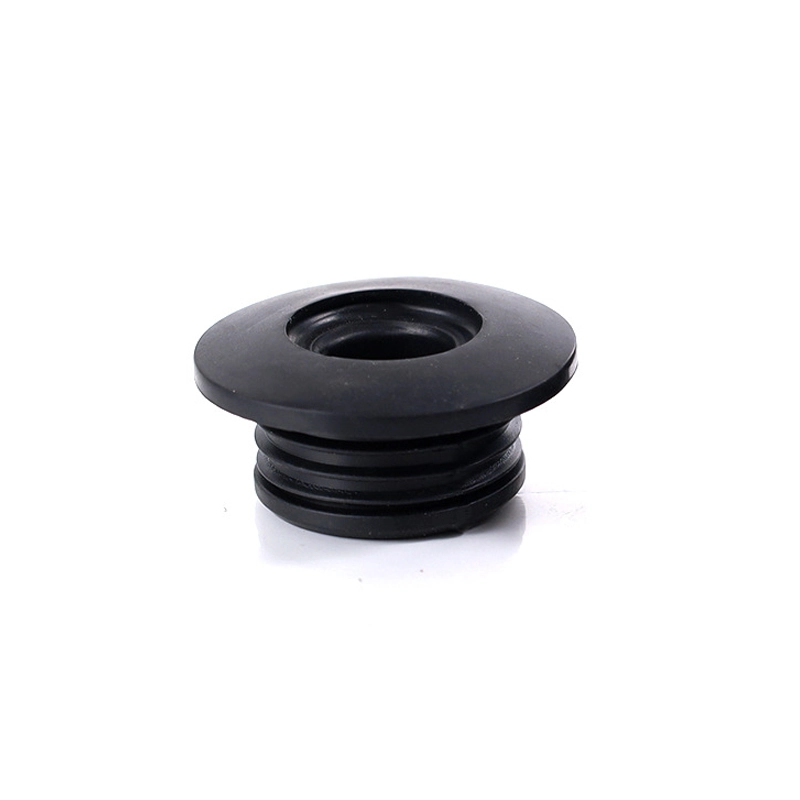 Urinal Sensor Inlet Seal Gasket Factory Replacement
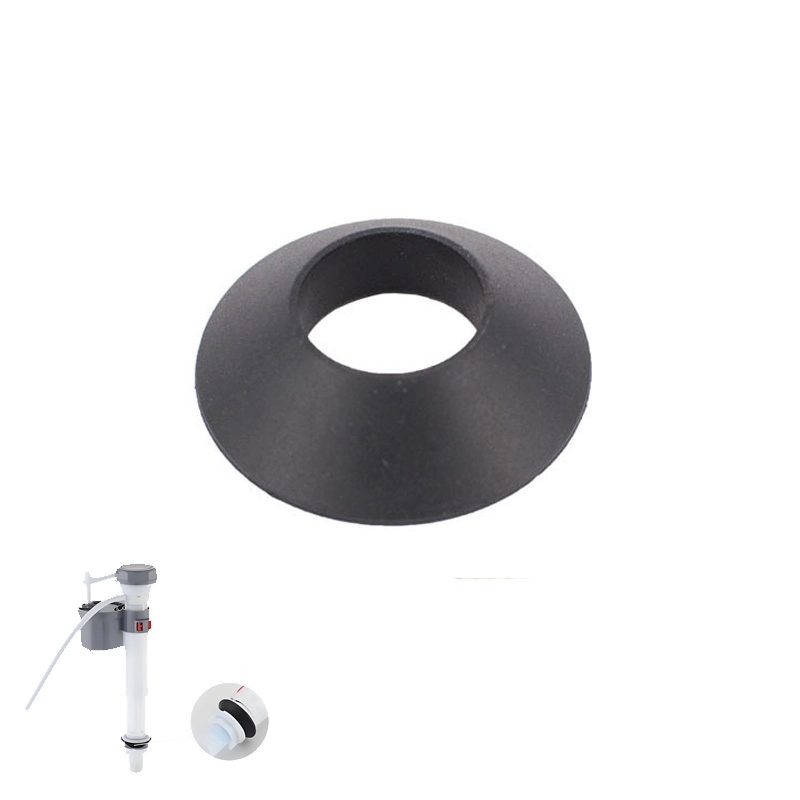 Toilet Tank Fill Valve Conical Seal Factory Replacement
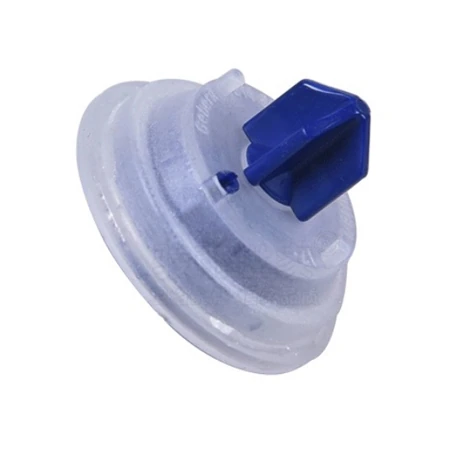 Wholesale Toilet Cistern Inlet Valve Diaphragm Washers
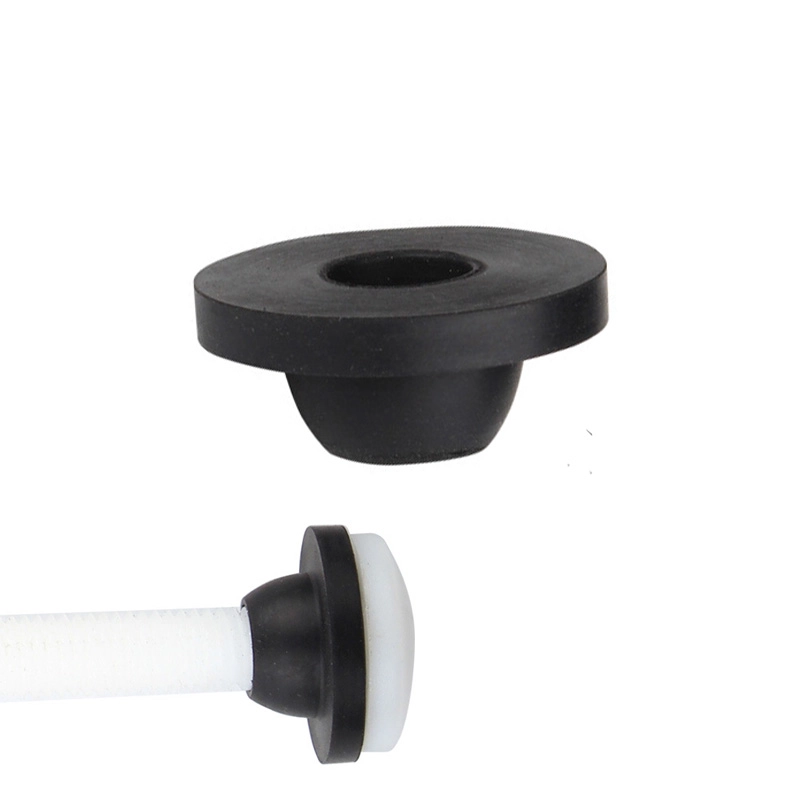 Conical Rubber Washers for Toilet Bolts Factory Wholesale