

Replace Toilet Tank Rubber Seal (Easy DIY Toilet Leak Fix)
Replacing the rubber seal inside a toilet tank is one of the most effective ways to fix common toilet problems such as leaks, running water, or weak flushes. With basic tools and careful steps, most homeowners can complete this task in under an hour. This guide explains everything you need to know, backed by plumbing best practices and professional advice.
What Is a Toilet Tank Rubber Seal?
The rubber seal is a crucial part of either the flush valve or fill valve. Its purpose is to prevent water from leaking from the tank into the bowl when the toilet is not in use. Over time, exposure to water, cleaning chemicals, and mineral buildup can cause the seal to harden, crack, or warp, reducing its effectiveness.
Expert tip: Always choose high-quality rubber seals made from durable, water-resistant materials to ensure a long-lasting repair.
Signs You Need to Replace the Toilet Rubber Seal
Here are the most common warning signs:
Toilet keeps running continuously
Slow leak of water from tank to bowl
Weak or incomplete flush
Noticeable increase in water bills
Visible cracks, stiffness, or deformation of the seal
If you notice one or more of these symptoms, it’s time for a toilet rubber seal replacement.
Tools and Materials Needed
Before starting, gather:
Replacement rubber seal (specific to your toilet model)
Adjustable wrench or pliers
Sponge or small cup to remove water
Towel or rag
Mild cleaner (optional, for cleaning valve seat)
Pro tip: Take a photo of the old seal and components before removal to ensure proper installation.
Step-by-Step Toilet Rubber Seal Replacement
Step 1: Turn Off the Water Supply
Locate the shut-off valve near the toilet base and turn it clockwise. This prevents water flow while you work.
Step 2: Drain the Tank
Flush the toilet to remove most water. Use a sponge or small cup to soak up any remaining water at the bottom.
Step 3: Remove the Tank Lid
Lift the lid carefully and place it on a flat surface to prevent cracking.
Step 4: Remove the Old Rubber Seal
Depending on your toilet type:
Flush valve seal: Detach the old seal from the flush valve opening at the tank bottom.
Fill valve seal: Remove the fill valve cap and take out the worn gasket.
Inspect the old seal for mineral buildup, cracks, or deformation.
Step 5: Clean the Valve Seat
Wipe the valve area thoroughly to remove dirt, limescale, or residue. A clean surface ensures a tight seal and prevents future leaks.
Step 6: Install the New Seal
Place the new rubber seal exactly where the old one was. Ensure it sits flat and evenly without twisting or folding.
Expert tip: Apply a small amount of plumber’s grease to the seal edges for smoother installation and better sealing.
Step 7: Reassemble and Refill the Tank
Reattach any components removed earlier. Turn the water supply back on and allow the tank to refill completely.
Test Your Toilet
Flush several times
Check for leaks around the valve
Confirm that the toilet stops running after each flush
Ensure flush is strong and complete
If everything works properly, the replacement is successful.
Common Mistakes to Avoid
Using the wrong size or type of seal
Over-tightening plastic components, which may crack
Skipping the cleaning step before installation
Reusing old or partially damaged seals
How Often Should You Replace a Toilet Rubber Seal?
Most toilet rubber seals last 3–5 years, depending on water quality and usage. Replacing seals proactively can prevent leaks, reduce water waste, and avoid costly repairs.
Final Thoughts
Replacing a toilet tank rubber seal is simple, cost-effective, and highly effective for restoring toilet performance. Using high-quality seals, following proper steps, and maintaining cleanliness will extend your toilet’s lifespan and keep your bathroom leak-free.
For additional guidance on toilet repair tips, check out our toilet maintenance guide for step-by-step solutions.
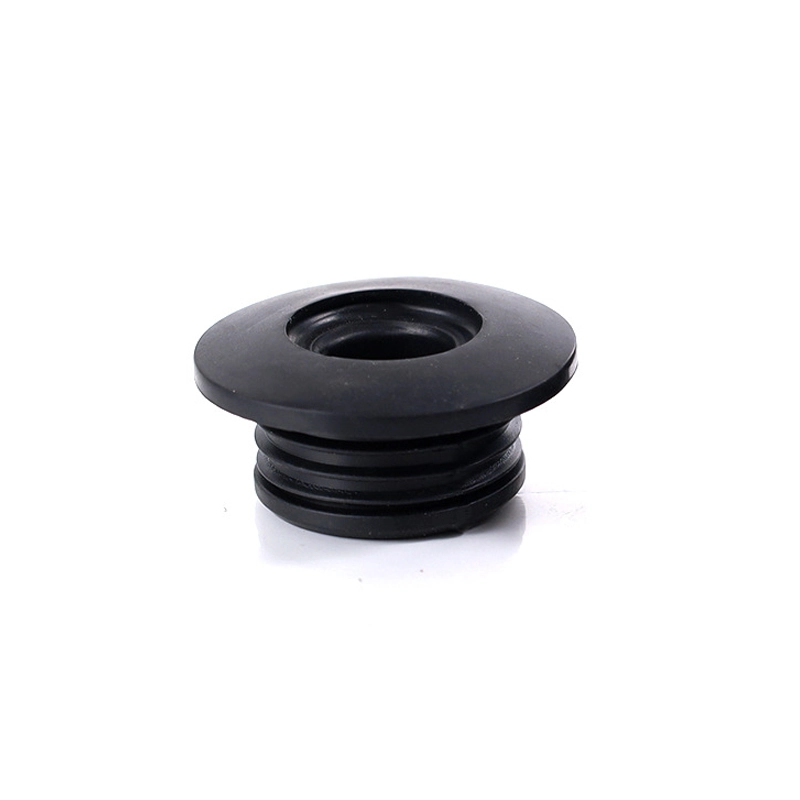 Urinal Sensor Inlet Seal Gasket Factory Replacement
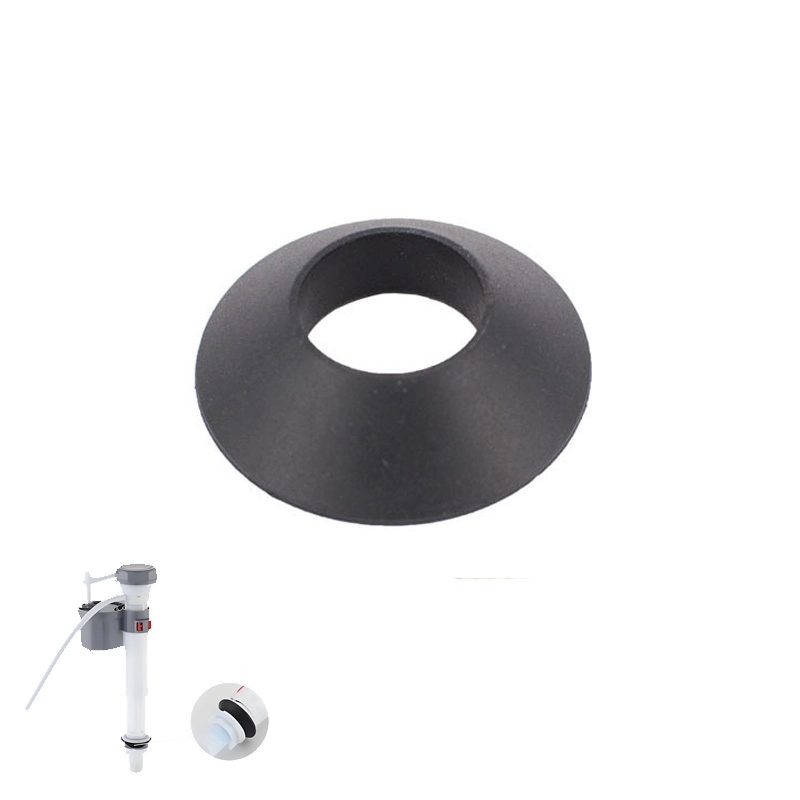 Toilet Tank Fill Valve Conical Seal Factory Replacement
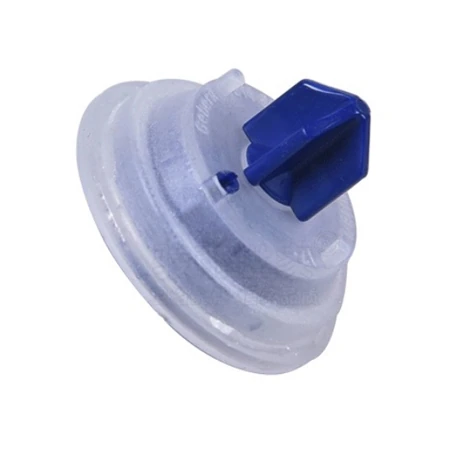 Wholesale Toilet Cistern Inlet Valve Diaphragm Washers
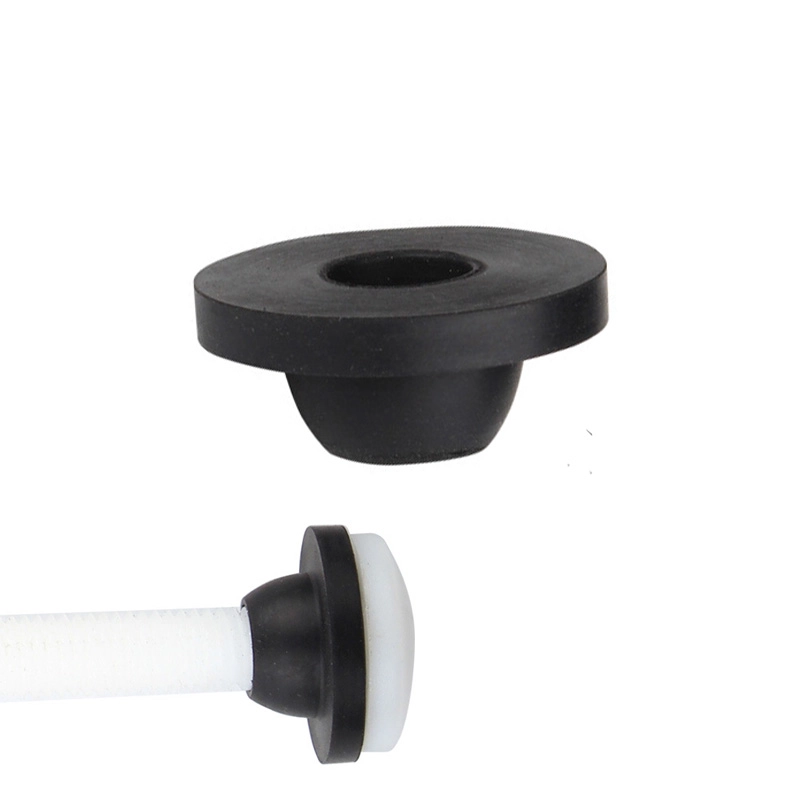 Conical Rubber Washers for Toilet Bolts Factory Wholesale