

How to Replace a Toilet Tank Seal: Easy Steps for Homeowners
A leaking toilet tank is one of the most common bathroom problems—and often the easiest to fix. If you notice water pooling around the base or hear your toilet running constantly, the tank seal may be worn out. The good news: replacing a toilet tank seal is a straightforward DIY job most homeowners can complete in under an hour.
This step-by-step guide will help you diagnose the issue, replace the seal properly, and prevent future leaks.
What Is a Toilet Tank Seal?
The toilet tank seal (also called the tank-to-bowl gasket) is a rubber or silicone ring that creates a watertight connection between the toilet tank and the bowl. Over time, it can:
Crack
Harden
Warp
Lose elasticity
When this happens, leaks and flushing issues often follow.
Signs Your Toilet Tank Seal Needs Replacement
Before starting, confirm the seal is the problem. Common symptoms include:
Water leaking between tank and bowl
Toilet running intermittently
Visible cracks in the gasket
Tank wobbling or not sitting flush
Musty or damp smell near the toilet
If you see water coming from the bolts instead, you may also need new tank bolts and washers.
Tools and Materials You’ll Need
Prepare everything first to make the job smooth:
Tools
Adjustable wrench
Sponge or towel
Bucket
Screwdriver
Putty knife (optional)
Materials
Replacement toilet tank seal (correct size)
New tank bolts kit (recommended)
Mild cleaner for surfaces
Step-by-Step: How to Replace a Toilet Tank Seal
Step 1: Turn Off the Water Supply
Locate the shut-off valve behind the toilet and turn it clockwise until fully closed.
Tip: Flush once to confirm the water is off.
Step 2: Drain the Toilet Tank
Flush the toilet
Hold the handle down to empty as much water as possible
Use a sponge or towel to remove remaining water
A dry tank makes removal cleaner and safer.
Step 3: Disconnect the Water Supply Line
Use an adjustable wrench to loosen the supply line from the bottom of the tank. Place a bucket underneath to catch any residual water.
Step 4: Remove the Toilet Tank
Unscrew the tank bolts underneath the bowl
Support the tank with one hand while loosening
Carefully lift the tank straight up
Place the tank on a towel or soft surface to avoid scratches.
Step 5: Remove the Old Tank Seal
You’ll see the old gasket around the flush valve opening.
Pull off the worn seal
Use a putty knife if it’s stuck
Clean the mounting surface thoroughly
Important: Any debris left behind can cause future leaks.
Step 6: Install the New Toilet Tank Seal
Position the new gasket evenly around the flush valve
Ensure it sits flat with no twists
Do not stretch the seal excessively
A properly seated seal is critical for a leak-free connection.
Step 7: Reinstall the Toilet Tank
Carefully place the tank back onto the bowl
Align the bolt holes
Insert and hand-tighten the bolts
Alternate tightening each side gradually
Warning: Do not overtighten—this can crack the porcelain.
Step 8: Reconnect Water and Test
Reattach the water supply line
Turn the shut-off valve back on
Let the tank fill
Flush several times and check for leaks
Run your hand around the tank-to-bowl area to confirm it’s completely dry.
Pro Tips for Best Results
Always replace tank bolts when changing the seal
Use high-quality rubber or silicone gaskets
Tighten bolts evenly on both sides
Avoid using plumber’s putty on tank seals
Check compatibility before purchasing
Common Mistakes to Avoid
Many DIYers run into problems because of these errors:
❌ Overtightening bolts
❌ Installing the wrong gasket size
❌ Forgetting to clean sealing surfaces
❌ Uneven tank tightening
❌ Reusing old washers
Avoiding these will dramatically improve your success rate.
When to Replace Instead of Repair
Consider replacing the entire flush valve assembly if:
The flush valve is cracked
The tank seal fails repeatedly
Your toilet is over 15 years old
Internal parts show heavy mineral buildup
Final Thoughts
Replacing a toilet tank seal is a simple, cost-effective repair that can stop leaks and restore proper flushing performance. With basic tools and careful installation, most homeowners can complete the job quickly and avoid an expensive plumber visit.
If you maintain your toilet components regularly and use high-quality seals, your repair should last for years without issues.
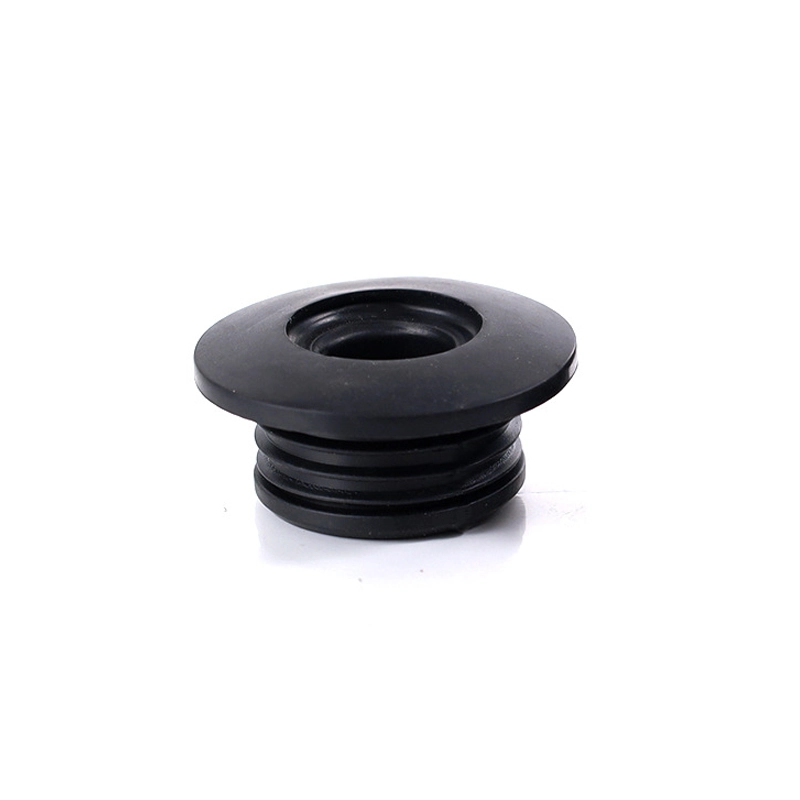 Urinal Sensor Inlet Seal Gasket Factory Replacement
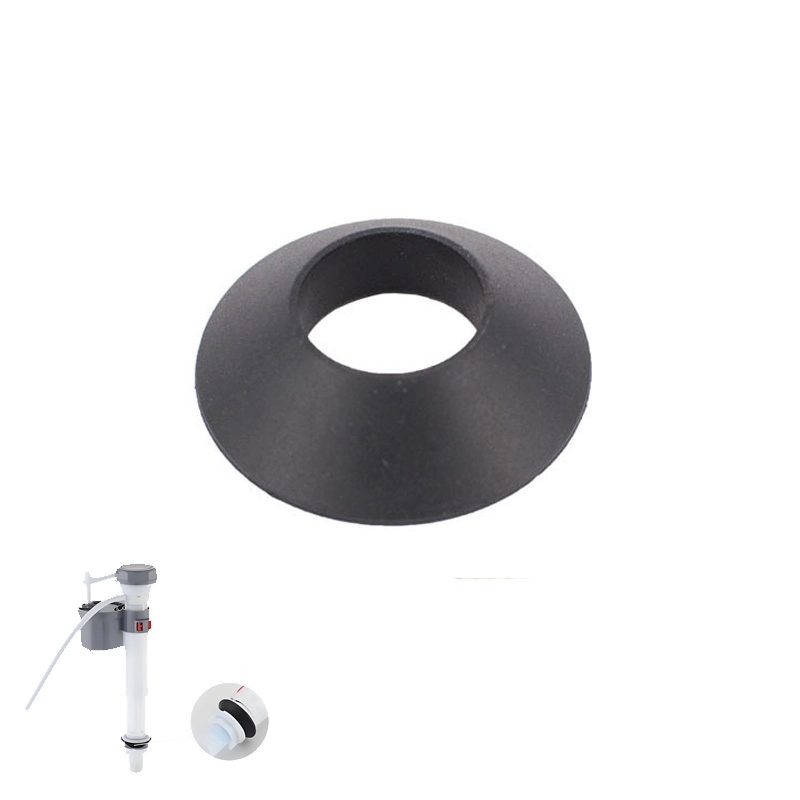 Toilet Tank Fill Valve Conical Seal Factory Replacement
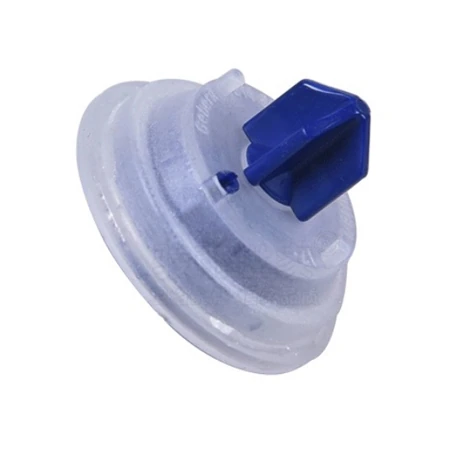 Wholesale Toilet Cistern Inlet Valve Diaphragm Washers
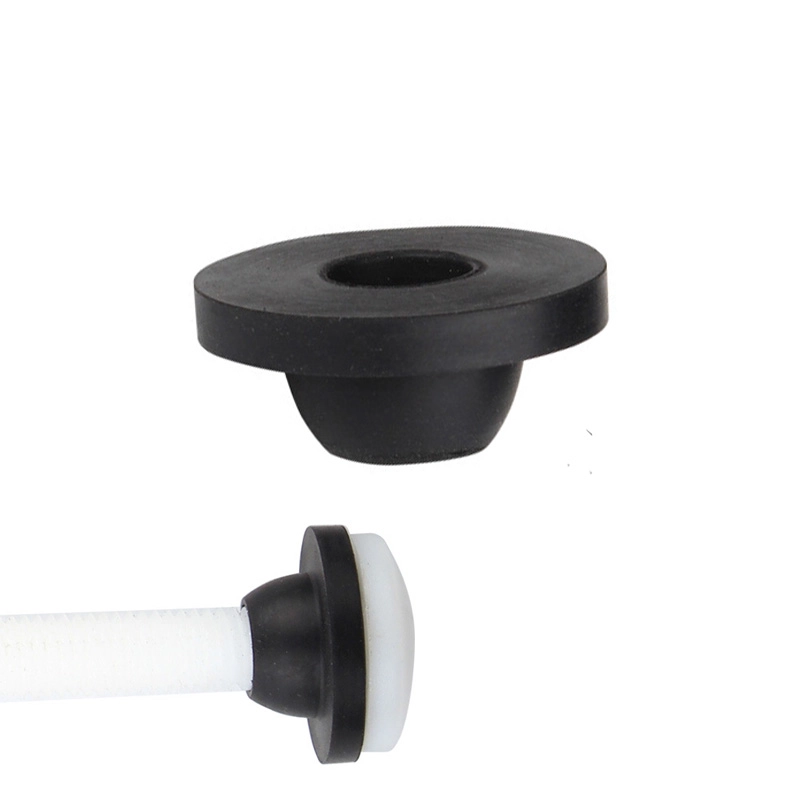 Conical Rubber Washers for Toilet Bolts Factory Wholesale