

American Standard Official Flush Valve Guide
A reliable flush valve is essential for toilet performance, water efficiency, and leak prevention. If your toilet is manufactured by American Standard, understanding the correct flush valve type and replacement seal can help you avoid continuous running water, weak flushing, and unnecessary plumbing repairs.
This complete flush valve guide explains valve types, sizing standards, repair steps, maintenance strategies, and professional buying tips.
What Does an American Standard Flush Valve Do?
The flush valve controls the release of tank water into the bowl during flushing. When the handle is pressed, the valve opens and allows water to flow rapidly, generating flushing pressure.
A typical flush valve assembly includes:
Flush valve body
Flush valve seal or flapper
Overflow tube
Lift chain or canister mechanism
Tank-to-bowl gasket
Among these components, the flush valve seal is the most important for preventing tank leakage and maintaining proper water levels.
Main Types of Flush Valves in American Standard Toilets
1. Standard Flapper Flush Valve
This traditional design is common in gravity toilets.
Advantages
Simple installation
Low maintenance cost
Easy replacement
However, rubber flappers may deteriorate due to chlorine exposure and mineral buildup.
2. Tower / Canister Flush Valve System
Modern toilets from American Standard often use tower-style flush valves designed for powerful and efficient flushing.
Benefits
Faster water release
Stronger bowl cleaning performance
Improved sealing reliability
Reduced water consumption
Most tower systems use silicone flush valve seals, which last significantly longer than standard rubber flappers.
3. Dual Flush Valve Technology
Dual flush toilets provide two flushing options for improved water efficiency.
Key benefits
Lower water bills
Eco-friendly operation
Enhanced flushing control
These systems require precise replacement seals based on the toilet model.
Flush Valve Size Guide (Very Important for Compatibility)
Choosing the correct flush valve size ensures leak-free performance.
Common Flush Valve Sizes
| Flush Valve Diameter | Application |
|---|---|
| 2-inch | Standard toilets |
| 3-inch | High-efficiency toilets |
| 4-inch | Advanced flushing systems |
Many newer toilets from American Standard use 3-inch flush valves to improve flushing power.
How to Measure Flush Valve Size
Turn off the toilet water supply
Remove the tank lid
Measure the flush valve opening diameter
Identify flapper or canister design
Correct sizing prevents constant running toilets and poor sealing issues.
Signs Your Flush Valve Seal Is Failing
Flush valve seals naturally wear out with time and usage.
Common symptoms include:
Toilet keeps running
Phantom flushing
Water leaking into bowl
Weak flush performance
Increased water consumption
Replacing the seal early helps avoid major plumbing repairs.
How to Replace an American Standard Flush Valve Seal
This repair is usually simple and requires minimal tools.
Quick Replacement Steps
Step 1 — Shut Off Water
Close the supply valve behind the toilet.
Step 2 — Drain the Tank
Flush and remove remaining water with a sponge.
Step 3 — Remove Old Seal
Detach flapper or lift tower canister.
Step 4 — Clean Valve Seat
Remove debris and mineral buildup.
Step 5 — Install New Seal
Fit the new gasket evenly into the sealing groove.
Step 6 — Test Flushing Performance
Restore water supply and test multiple flush cycles.
Maintenance Tips to Extend Flush Valve Lifespan
Proper maintenance improves toilet reliability and reduces repair frequency.
Professional recommendations
Clean toilet tank twice per year
Avoid corrosive in-tank cleaners
Replace aging rubber seals regularly
Use durable silicone replacement gaskets
Inspect flush valve seat for scaling
High-quality silicone seals provide:
Better elasticity
Chlorine resistance
Longer service life
Stable sealing performance
How to Choose the Best Flush Valve Replacement Seal
Whether you are a homeowner or plumbing distributor, selecting the right replacement seal is essential.
Key Selection Criteria
Accurate size tolerance
High-grade silicone or rubber material
OEM compatibility
Long-term durability
Reliable manufacturer support
Working with an experienced toilet seal manufacturer can provide advantages such as:
Custom flush valve seal production
Wholesale supply capability
Private label packaging
Faster product development
Are all American Standard flush valve seals the same?
No. Toilets from American Standard use different flush valve sizes and sealing designs. Always confirm model specifications before purchasing replacement parts.
Why does my toilet keep running after replacing the seal?
Possible causes include incorrect seal size, improper installation, mineral buildup, or a faulty fill valve.
How long do flush valve seals last?
Most seals last 3–7 years, depending on water quality and flushing frequency.
Can I upgrade from a 2-inch to a 3-inch flush valve?
No. Flush valve size depends on tank design. Upgrading usually requires replacing the entire flush valve assembly.
Final Thoughts
Understanding flush valve types, sizing standards, and maintenance techniques helps ensure optimal toilet performance. Proper seal replacement can eliminate leaks, improve flushing efficiency, and reduce water bills.
To maintain toilets from American Standard effectively:
✅ Identify flush valve type
✅ Measure valve size accurately
✅ Choose high-quality replacement seals
✅ Perform regular maintenance
Following these best practices ensures long-lasting flushing performance and plumbing reliability.
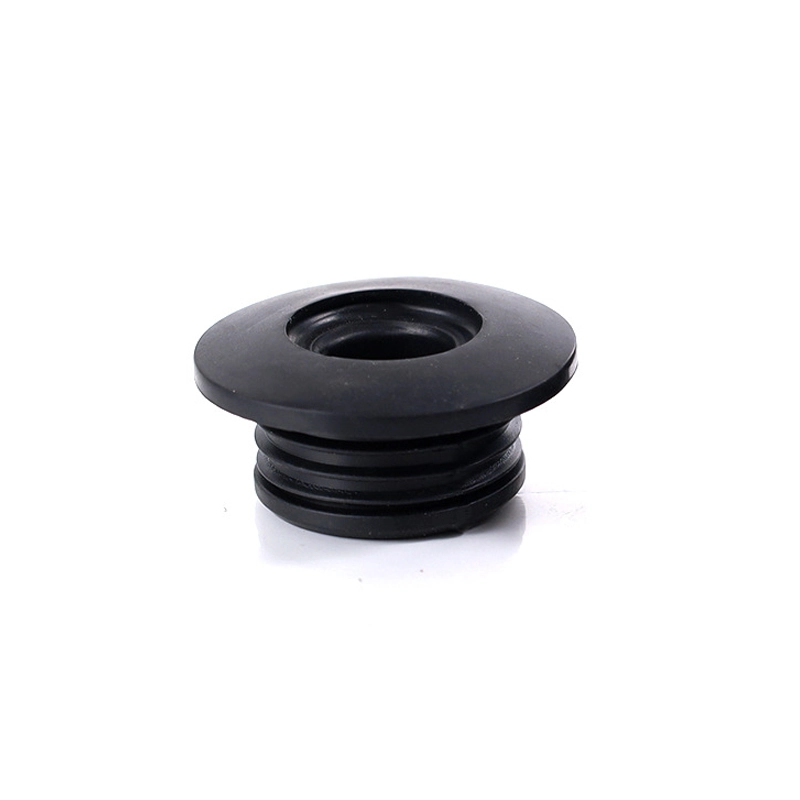 Urinal Sensor Inlet Seal Gasket Factory Replacement
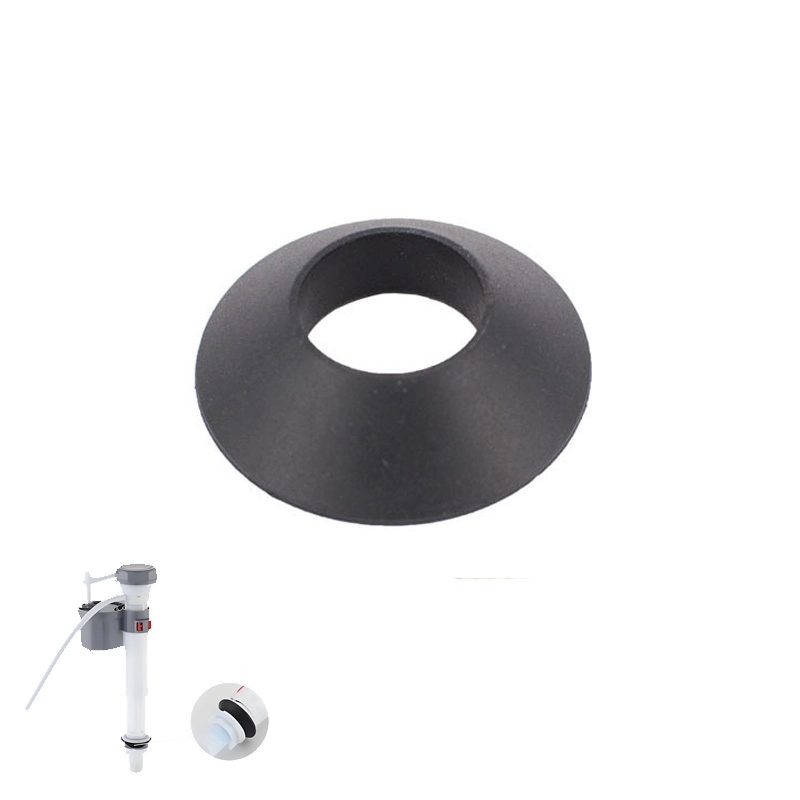 Toilet Tank Fill Valve Conical Seal Factory Replacement
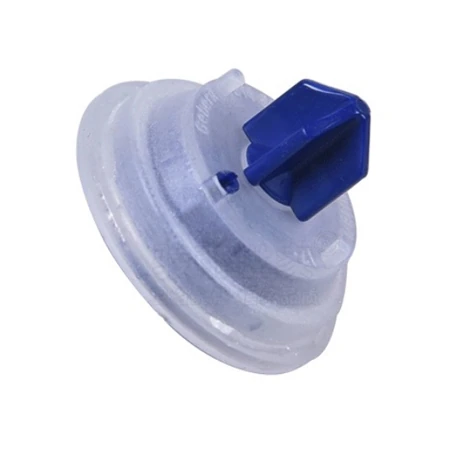 Wholesale Toilet Cistern Inlet Valve Diaphragm Washers
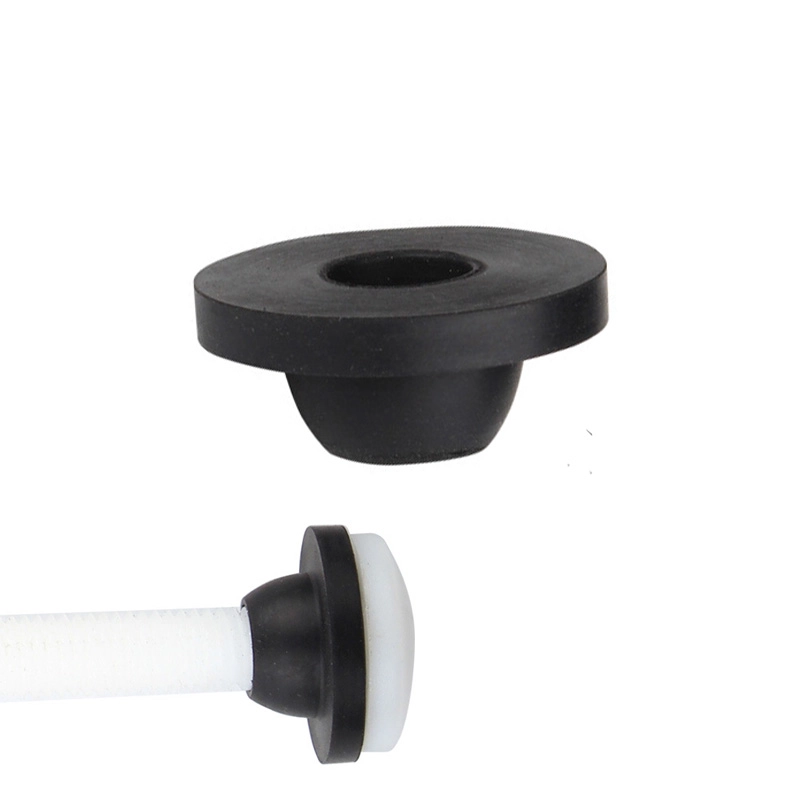 Conical Rubber Washers for Toilet Bolts Factory Wholesale