

Choosing the Right Toilet Seal for Your Bathroom Needs
A reliable toilet seal is one of the most important yet overlooked components in any bathroom. The right seal prevents leaks, blocks odors, and ensures long-term performance of your toilet system. Whether you're a homeowner, contractor, or distributor, understanding how to choose the correct toilet seal can save time, money, and maintenance headaches.
What Is a Toilet Seal and Why It Matters
A toilet seal sits between the toilet base and the drain pipe, creating a watertight and airtight connection. Its primary functions include:
Preventing wastewater leakage
Blocking sewer gases and odors
Stabilizing the toilet base
Extending the lifespan of plumbing components
Using the wrong type or size of seal can lead to floor damage, unpleasant smells, and costly repairs.
Common Types of Toilet Seals
Different bathrooms and installation conditions require different seal materials. The most common options include:
Wax Toilet Seals
Wax rings are the traditional choice and widely used in residential bathrooms.
Pros:
Low cost
Good initial sealing performance
Widely available
Cons:
Can deform in high temperatures
Single-use only
Messy installation
Wax seals are suitable for standard, stable installations but may not perform well in environments with frequent temperature changes.
Rubber Toilet Seals
Rubber seals are becoming increasingly popular due to their durability and reusability.
Pros:
Flexible and resilient
Resistant to temperature changes
Cleaner installation
Often reusable
Cons:
Slightly higher cost than wax
Quality varies by manufacturer
Rubber seals are ideal for modern bathrooms, commercial projects, and OEM applications.
Foam Toilet Seals
Foam seals offer another wax-free alternative.
Pros:
Lightweight
Easy installation
Good gap-filling ability
Cons:
May compress over time
Not suitable for uneven flanges in some cases
Foam seals work well for quick installations and DIY projects.
Key Factors to Consider When Choosing a Toilet Seal
Selecting the right toilet seal involves more than just picking wax or rubber. Consider the following factors:
1. Flange Height and Floor Condition
Check whether the closet flange is:
Flush with the floor
Above the floor
Below the floor
For low or uneven flanges, thicker or reinforced seals perform better.
2. Toilet Type
Different toilets may require specific seals:
One-piece toilets
Two-piece toilets
Wall-hung toilets
Commercial high-flush units
Always verify compatibility before purchasing.
3. Installation Environment
Consider where the toilet will be installed:
Residential bathroom
Commercial restroom
High-traffic public facility
Humid or temperature-variable areas
Rubber and high-performance silicone seals are often better for demanding environments.
4. Durability Requirements
For long-term reliability, look for seals that offer:
Aging resistance
Chemical resistance
Compression recovery
Anti-leak design
This is especially important for manufacturers and bulk buyers.
5. OEM and Custom Needs
If you are a toilet manufacturer or parts distributor, custom seals may be the best solution. OEM toilet seal suppliers can provide:
Custom dimensions
Material selection (EPDM, silicone, rubber)
Hardness customization
Private labeling
Bulk production
Working with an experienced factory ensures consistent quality and supply stability.
Installation Tips for Best Performance
Even the best toilet seal can fail if installed incorrectly. Follow these best practices:
Clean the flange surface thoroughly
Ensure proper alignment during installation
Avoid over-tightening the toilet bolts
Test for leaks after installation
Replace old seals during toilet resets
Professional installation is recommended for commercial or large-scale projects.
Why Quality Manufacturing Matters
Not all toilet seals are created equal. High-quality seals from reliable manufacturers offer:
Precision molding
Stable material performance
Strict quality control
Longer service life
Lower warranty risk
For wholesalers, distributors, and toilet brands, partnering with an experienced OEM toilet seal factory can significantly improve product reliability and customer satisfaction.
Conclusion
Choosing the right toilet seal is essential for maintaining a leak-free, odor-free, and durable bathroom system. By understanding the differences between wax, rubber, and foam seals—and by evaluating your installation conditions—you can select the best solution for your specific needs.
For businesses seeking consistent quality and customization, working with a professional toilet seal manufacturer or supplier is the smartest long-term strategy.
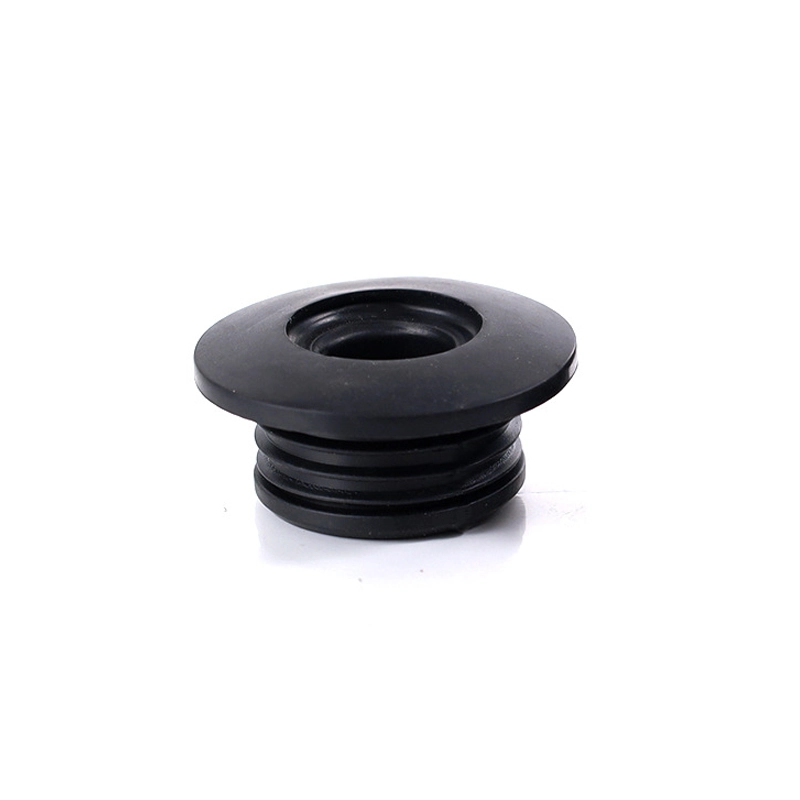 Urinal Sensor Inlet Seal Gasket Factory Replacement
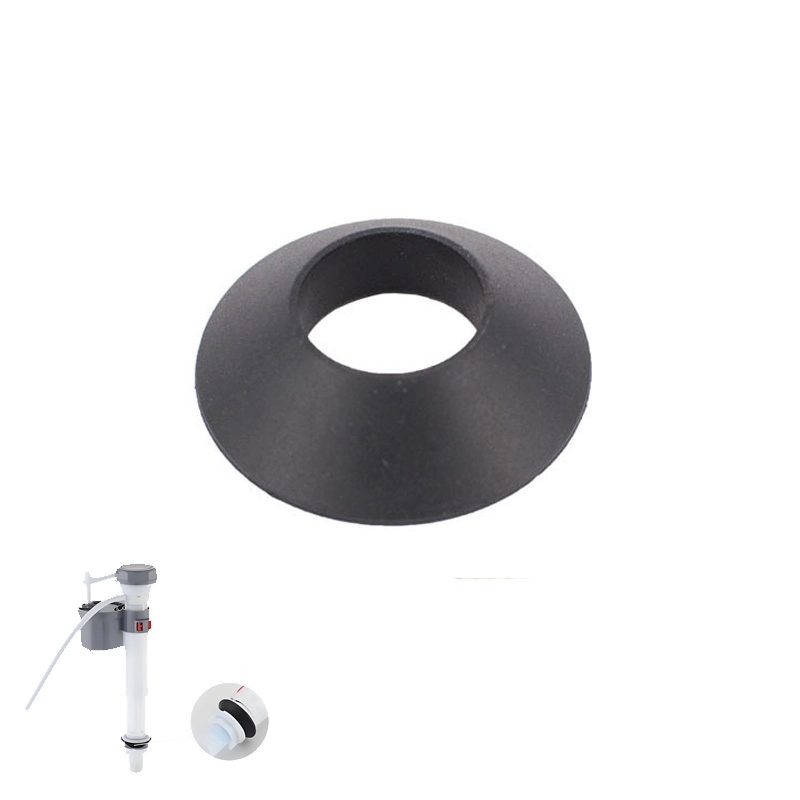 Toilet Tank Fill Valve Conical Seal Factory Replacement
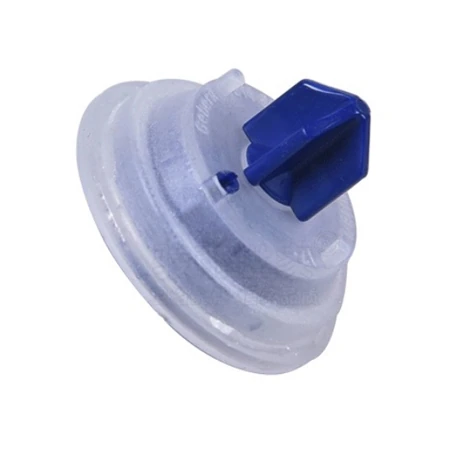 Wholesale Toilet Cistern Inlet Valve Diaphragm Washers
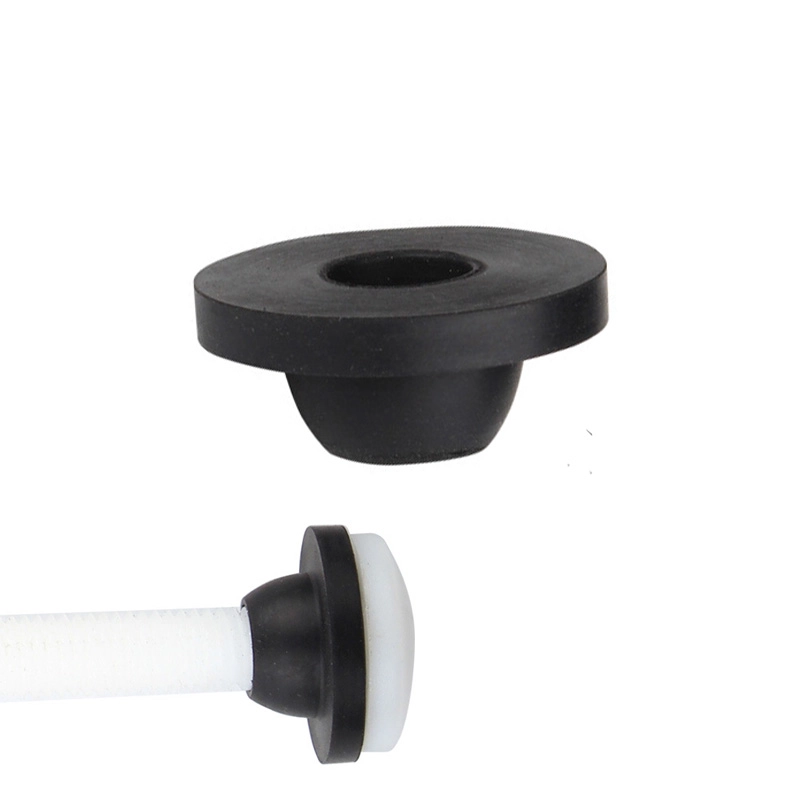 Conical Rubber Washers for Toilet Bolts Factory Wholesale