

Toilet Bowl Seal Gasket: Importance and Installation
A toilet that leaks, rocks, or emits unpleasant odors often points to one small but critical component—the toilet bowl seal gasket. This simple sealing part plays a major role in maintaining hygiene, preventing water damage, and ensuring your toilet system operates efficiently. Whether you are a plumber, distributor, or toilet manufacturer, understanding the importance and proper installation of a toilet bowl seal gasket can save time, cost, and customer complaints.
What Is a Toilet Bowl Seal Gasket?
A toilet bowl seal gasket is a sealing ring installed between the toilet bowl outlet and the drain pipe (or flange). Its primary function is to create a watertight and airtight barrier that prevents leakage and sewer gas from escaping.
Most modern seal gaskets are made from:
Rubber
Silicone
Wax or wax-free composite materials
Foam or elastomer blends
For OEM toilet manufacturers and suppliers, silicone and rubber toilet seal gaskets are increasingly preferred due to their durability, temperature resistance, and long service life.
Why the Toilet Bowl Seal Gasket Is So Important
1. Prevents Water Leakage
The most critical function of the gasket is to stop wastewater from leaking onto the bathroom floor. A failed seal can lead to:
Floor damage
Mold growth
Structural deterioration
Expensive repairs
A high-quality toilet bowl seal gasket ensures long-term leak protection.
2. Blocks Sewer Odors
Without a proper seal, sewer gases can escape into the bathroom, creating unpleasant and unhealthy conditions. A well-fitted gasket forms an airtight barrier that keeps odors contained within the plumbing system.
3. Maintains Toilet Stability
An improperly seated or compressed gasket can cause the toilet to rock or feel unstable. The correct gasket thickness and material help the toilet sit firmly on the floor flange.
4. Improves Long-Term Reliability
For toilet manufacturers and distributors, using premium seal gaskets reduces:
Warranty claims
Installation failures
Customer complaints
This is especially important for OEM toilet projects and bulk supply chains.
Common Types of Toilet Bowl Seal Gaskets
Understanding gasket types helps buyers and installers choose the right solution.
Wax Ring Gaskets
Pros:
Low cost
Widely used
Good initial sealing
Cons:
Can deform over time
Single-use only
Sensitive to temperature
Wax-Free Rubber Gaskets
Pros:
Reusable in some cases
Cleaner installation
Better durability
Cons:
Slightly higher cost
Requires precise sizing
Silicone Toilet Seal Gaskets
Pros:
Excellent elasticity
Long service life
Temperature and chemical resistance
Ideal for OEM customization
Cons:
Higher upfront cost
For modern bathroom systems, silicone and high-grade rubber seals are becoming the preferred choice among global toilet manufacturers.
Step-by-Step Toilet Bowl Seal Gasket Installation
Proper installation is essential for achieving a leak-free seal.
Step 1: Turn Off Water and Remove the Toilet
Shut off the water supply
Flush and empty the tank
Disconnect the water line
Remove the mounting bolts
Carefully lift the toilet
Always place the toilet on a soft surface to avoid damage.
Step 2: Remove the Old Gasket
Scrape off the old wax or gasket material
Clean the flange thoroughly
Check for flange damage or corrosion
A clean surface is critical for proper sealing.
Step 3: Position the New Seal Gasket
Depending on the gasket type:
Wax ring: Press onto the toilet outlet or flange
Rubber/silicone gasket: Seat firmly according to design
Ensure the gasket is centered and level
Avoid touching the sealing surface excessively.
Step 4: Reinstall the Toilet
Carefully lower the toilet straight down
Align with the flange bolts
Apply even pressure to compress the gasket
Do not rock the toilet
Uneven compression is a common cause of leaks.
Step 5: Secure and Test
Tighten bolts gradually and evenly
Reconnect the water supply
Turn on water and flush several times
Check for leaks and odors
If any movement or leakage occurs, reinstall the gasket.
Professional Tips for Best Results
Always use the correct gasket size
Replace the seal whenever the toilet is removed
Avoid overtightening bolts
Choose high-quality materials for commercial projects
For OEM orders, request compression and aging test data
For bulk buyers and toilet brands, working with an experienced seal manufacturer ensures consistent quality and performance.
Choosing the Right Toilet Bowl Seal Gasket Supplier
When sourcing toilet seal gaskets for manufacturing or distribution, consider:
Material quality and certifications
OEM/ODM customization capability
Dimensional consistency
Compression set performance
Global supply experience
Reliable suppliers help reduce field failures and improve product reputation.
Conclusion
The toilet bowl seal gasket may be small, but its impact on toilet performance is enormous. From preventing leaks and odors to ensuring long-term stability, this component is essential for any modern bathroom system. Proper material selection and correct installation are the keys to achieving a durable, leak-free seal.
For manufacturers, distributors, and plumbing professionals, investing in high-quality toilet bowl seal gaskets is a smart move that delivers long-term value and customer satisfaction.
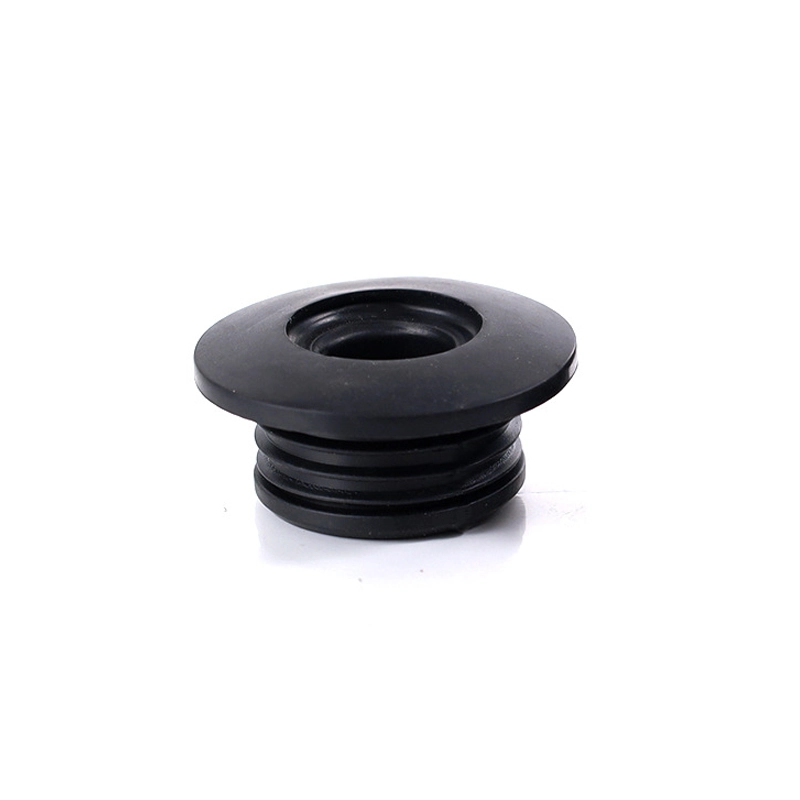 Urinal Sensor Inlet Seal Gasket Factory Replacement
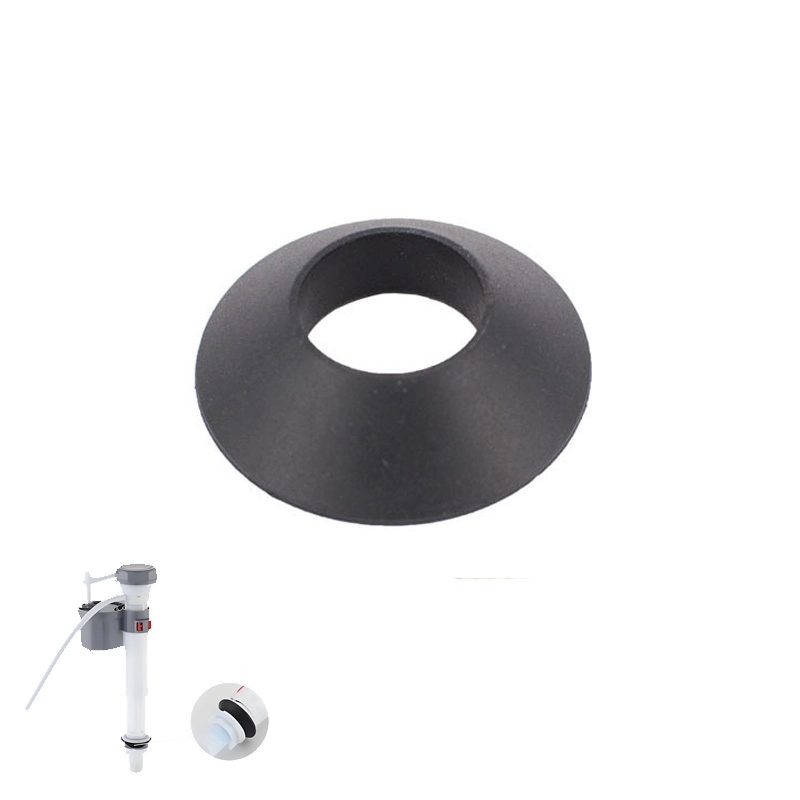 Toilet Tank Fill Valve Conical Seal Factory Replacement
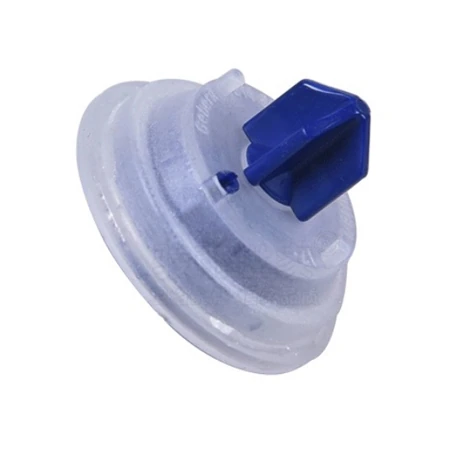 Wholesale Toilet Cistern Inlet Valve Diaphragm Washers
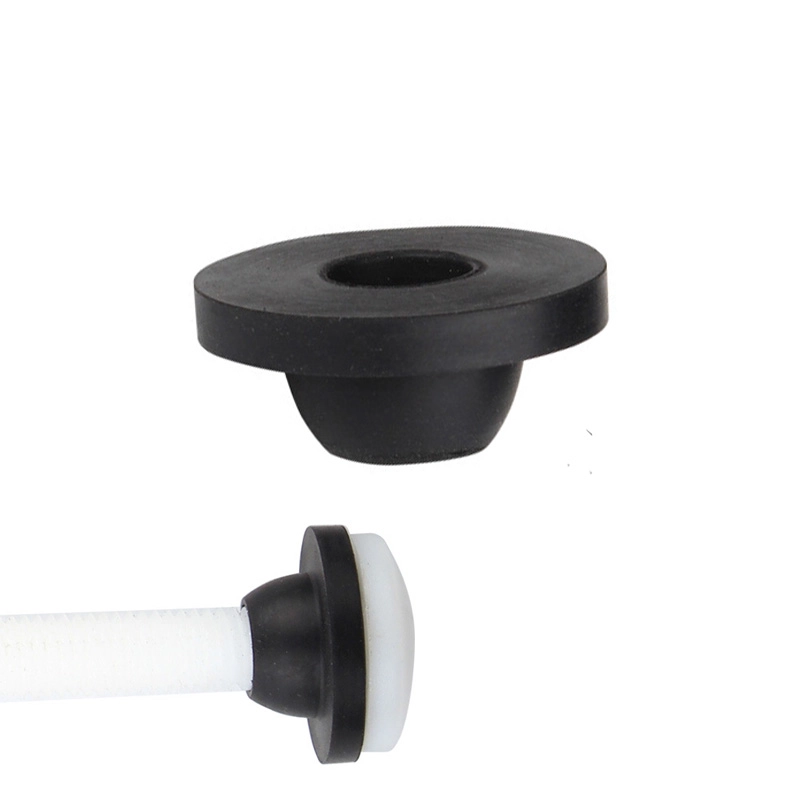 Conical Rubber Washers for Toilet Bolts Factory Wholesale